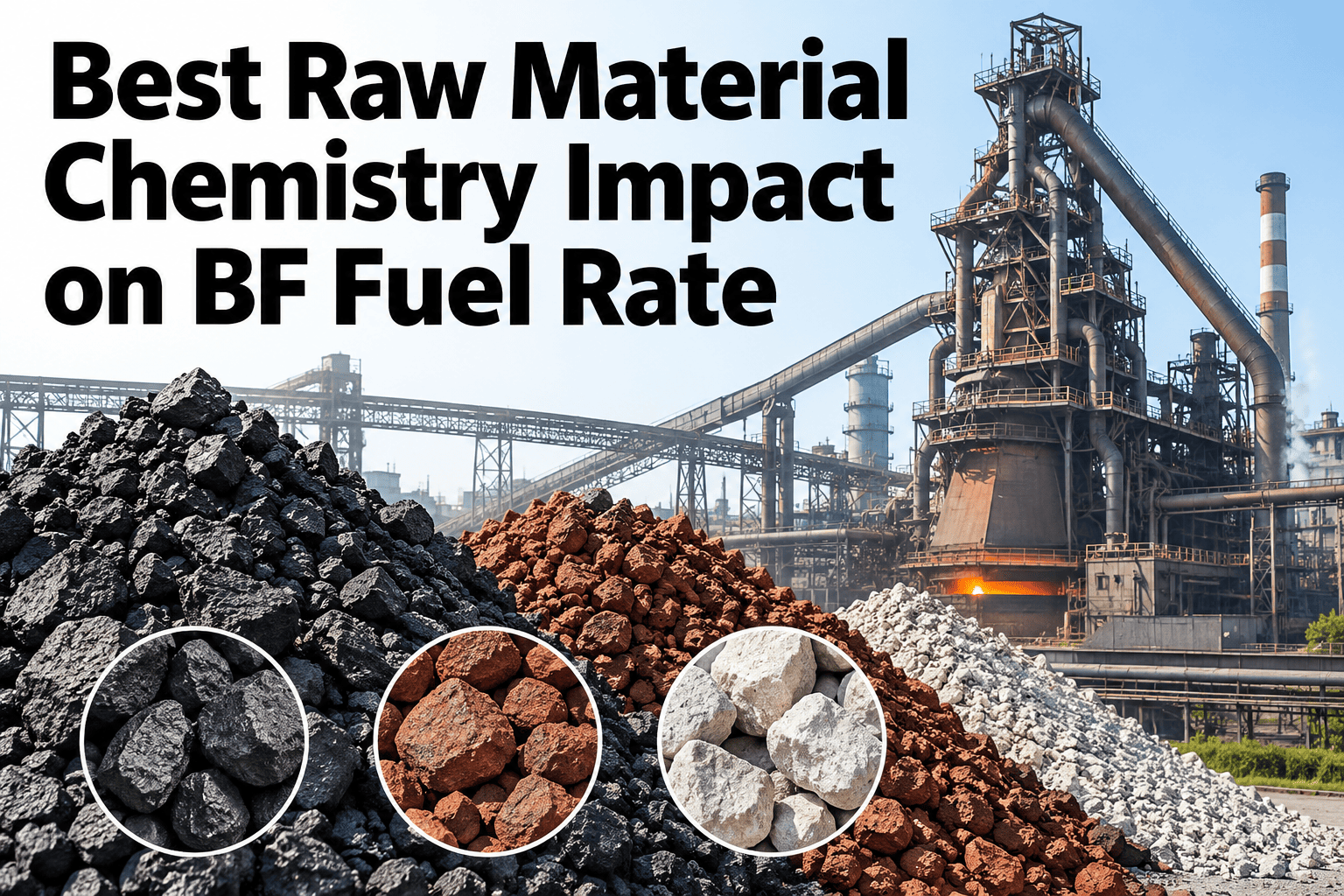
A cheaper iron ore is not always the cheaper ore once it reaches the furnace. Higher alumina, silica or other gangue means more slag, more energy to melt it and often a higher fuel rate, costs that never show up on the purchase invoice. When purchasing and furnace operations work from separate numbers, each side optimises its own cost and the plant pays the difference. A shared model of chemistry impact puts the fuel effect into buying decisions. To see how it could work for your ore mix, you can review a chemistry cost model with our team.
Coke and fuel rate optimisation
Count the Furnace Cost of Ore Chemistry Before You Count the Invoice
iFactory AI models how iron ore chemistry changes slag volume and fuel rate, so purchasing and furnace teams use one cost number.
Chemistry items that move fuel rate
Iron contentAluminaSilicaOther gangue
The hidden costChemistry Shows Up in the Furnace, Not on the Invoice
Purchasing sees price per tonne. The furnace sees slag, fuel and stability.
Buy the ore
Price and iron content set the invoice
Charge the furnace
Gangue joins the burden
Slag forms
More gangue means more slag to melt
Fuel rises
Extra heat comes from coke and injected fuel
A shared cost model turns that chain into a number both teams can use.
What gangue doesFour Chemistry Effects Behind the Fuel Rate
1
Lower iron content
Less iron per tonne of ore means more material to handle for the same hot metal.
2
Silica
Adds to slag volume and shifts basicity, requiring more flux.
3
Alumina
Raises slag viscosity and can limit how much slag the furnace handles smoothly.
4
Slag volume
More slag needs more heat to melt and adds handling load.
Published rules of thumb on how slag volume affects coke rate vary by furnace and practice. Calibrate to your own furnace.
Slag chemistryFour Layers From Ore to Slag Behaviour
Ore chemistry
Iron, silica, alumina and minor elements.
Burden chemistry
Blend with sinter, pellets, fluxes and coke ash.
Slag composition
Basicity and alumina level set how slag flows.
Furnace effect
Fuel use, stability and productivity.
Alumina and silica interact. Changing one without the other can move slag in ways that matter.
See What Your Ore Mix Really Costs at the Furnace
Share your ore analyses and furnace results and see how iFactory AI would estimate the fuel effect of each ore.
Buying by the right measureCompare Ores on Cost per Tonne of Iron, Not per Tonne of Ore
Effective cost per tonne of iron = ore price / iron fraction + furnace cost penalty per tonne of iron
The example below uses round, illustrative numbers. Ore B is cheaper per tonne but has lower iron and higher gangue.
| Item | Ore A | Ore B |
|---|
| Price per tonne of ore | 100 | 92 |
| Iron content | 64% | 60% |
| Cost per tonne of iron before penalty | 156 | 153 |
| Furnace penalty for extra slag and fuel, per tonne of iron | 0 | 8 |
| Effective cost per tonne of iron | 156 | 161 |
The penalty figures are illustrative. Build yours from furnace data, not from assumptions.
Where the penalty comes fromAn Illustrative Split of the Furnace Penalty
Penalty sources differ by furnace. This split is illustrative.
45 percent: Extra fuel
Coke and injected fuel to melt more slag.
25 percent: Flux
More flux to manage basicity.
20 percent: Stability
Handling and operating margin.
10 percent: Other
Maintenance and productivity effects.
Chemistry and costWhich Variations Matter Most
| Variation | Effect in the furnace | What to track |
|---|
| Iron content falls | More ore and slag per tonne of hot metal | Iron per charge and per tonne of hot metal |
| Alumina rises | Slag gets harder to run | Alumina in ore and slag |
| Silica rises | More slag, more flux | Silica and basicity |
| Variation between lots | Uneven operation | Standard deviation by supplier |
| Moisture or fines | Gas flow and handling issues | Screening results |
Matching buyers and operatorsA Grid for Deciding Which Ores to Favour
Ore profile
High iron
Lower iron
Low gangue
Favour
Efficient to buy and use
Use in blends
Fine if gangue is manageable
High gangue
Watch cost
Higher gangue adds penalty
Avoid or limit
Both penalties apply
Blending can bring a high-gangue ore into an acceptable range, but a model is needed to show how much.
One number for both teamsWho Shares What
Purchasing
We need a price signal that includes furnace effects.
Furnace operations
We need to know how new ores will behave.
Raw materials planning
We build blends and track variation.
Finance
We want one cost per tonne of hot metal.
Use the same model in negotiation, blending and review. To set up a shared cost view, ask our team for a raw material cost template.
Purchasing versus operationsWhat Changes With a Shared Model
Separate views
Purchasing buys on price per tonne
Operations absorbs the fuel effect
Disputes after problems appear
No agreed cost of variation
Shared model
Both sides use cost per tonne of iron and hot metal
Fuel effect is visible before buying
Trade-offs agreed in advance
Variation has a known cost
Autonomy levelsUse the Model Step by Step
Report
Show cost effects after the fact.
Advise
Suggest blends and purchase ranges.
Plan
Link model results to purchasing and blending plans.
RolloutFive Steps to a Shared Chemistry Cost Model
1
Gather the data
Ore analyses, burden recipes, slag and fuel results.
2
Build the link
Relate chemistry to slag and fuel rate for your furnace.
3
Check with history
Compare predictions with past periods.
4
Agree the cost view
Share one number between purchasing and operations.
5
Use in decisions
Apply to buying, blending and supplier reviews.
Ore analyses linked to charges and casts
Slag chemistry and volume tracked
Fuel rate normalised for other changes
Model checked against historical periods
Penalty method agreed with finance
Shared cost number used in purchasing
Supplier variation tracked
Owner from purchasing, raw materials and furnace
Expert reviewWhat an Ironmaking Raw Materials Manager Would Check First
A chemistry cost model should be calibrated on your own furnace history. Generic rules of thumb are a start, but plants differ in practice and in tolerance.
Verdict
Strong when penalties come from furnace data and both teams use the same number.
Watch for
Penalties copied from other plants without checking.
Do next
Build the model on one year of data and test it on two ore changes.
Frequently asked questionsWhat Steel Teams Ask About Raw Material Chemistry and Fuel Rate
Why does alumina matter so much?
Alumina affects slag viscosity, so high levels can make slag harder to run and limit how much the furnace tolerates. The effect depends on basicity and temperature. Track alumina in both ore and slag.
See alumina effects.
How do we turn chemistry into a cost?
Relate chemistry to slag volume, fuel rate and flux use using your own furnace data, then price those effects and add them to the ore cost per tonne of iron.
Ask about cost modelling.
Can blending fix a poor ore?
Blending can bring high-gangue ores into an acceptable range, but a model is needed to show how much and at what cost. Variation within each lot also matters.
Discuss blending options.
How accurate are rules of thumb?
They vary by furnace and practice, so use them as a starting point only and calibrate with your own data.
Ask about calibration.
Who should own the shared cost number?
A joint owner from purchasing and furnace operations, with finance support, so both teams trust it. Review it each quarter.
Plan ownership.
One number for buyers and operators
Buy Ore Using the Cost Your Furnace Will Pay
Book a session with iFactory AI to link your ore chemistry to fuel rate and build one cost view for purchasing and furnace operations.