Unplanned downtime in iron and steel manufacturing is not simply an operational inconvenience — it is a direct financial loss measured in lakhs per hour, with cascading effects that extend far beyond the duration of the stoppage itself. A blast furnace that stays offline for 24 hours loses not just production — it risks a catastrophic "chilling" of the hearth, requiring weeks of intensive recovery. Across the global steel industry, unplanned downtime accounts for 10–15% of total production time, translating to losses of ₹150–600 crore annually for a large-scale integrated plant. The striking reality is that 70% of unplanned downtime events in ironmaking are preventable — they occur on equipment whose failure modes are detectable weeks in advance through stave temperature analysis, vibration monitoring, or cooling water trending. iFactory's Asset Management and Predictive analytics platform has helped steel plants across India and Europe extend campaign life by 15-20% — converting reactive relining emergencies into scheduled, optimized digital maintenance programmes.
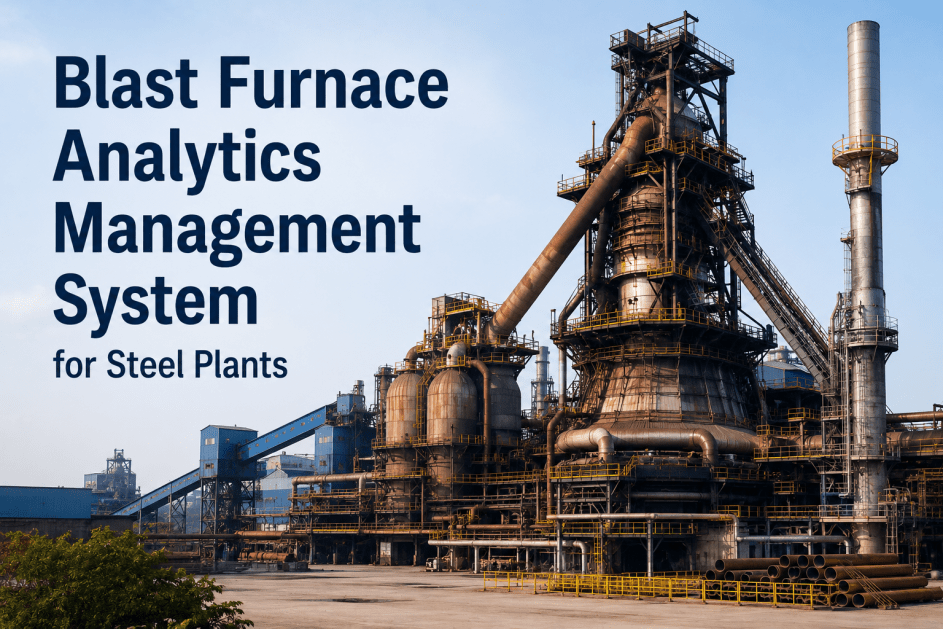
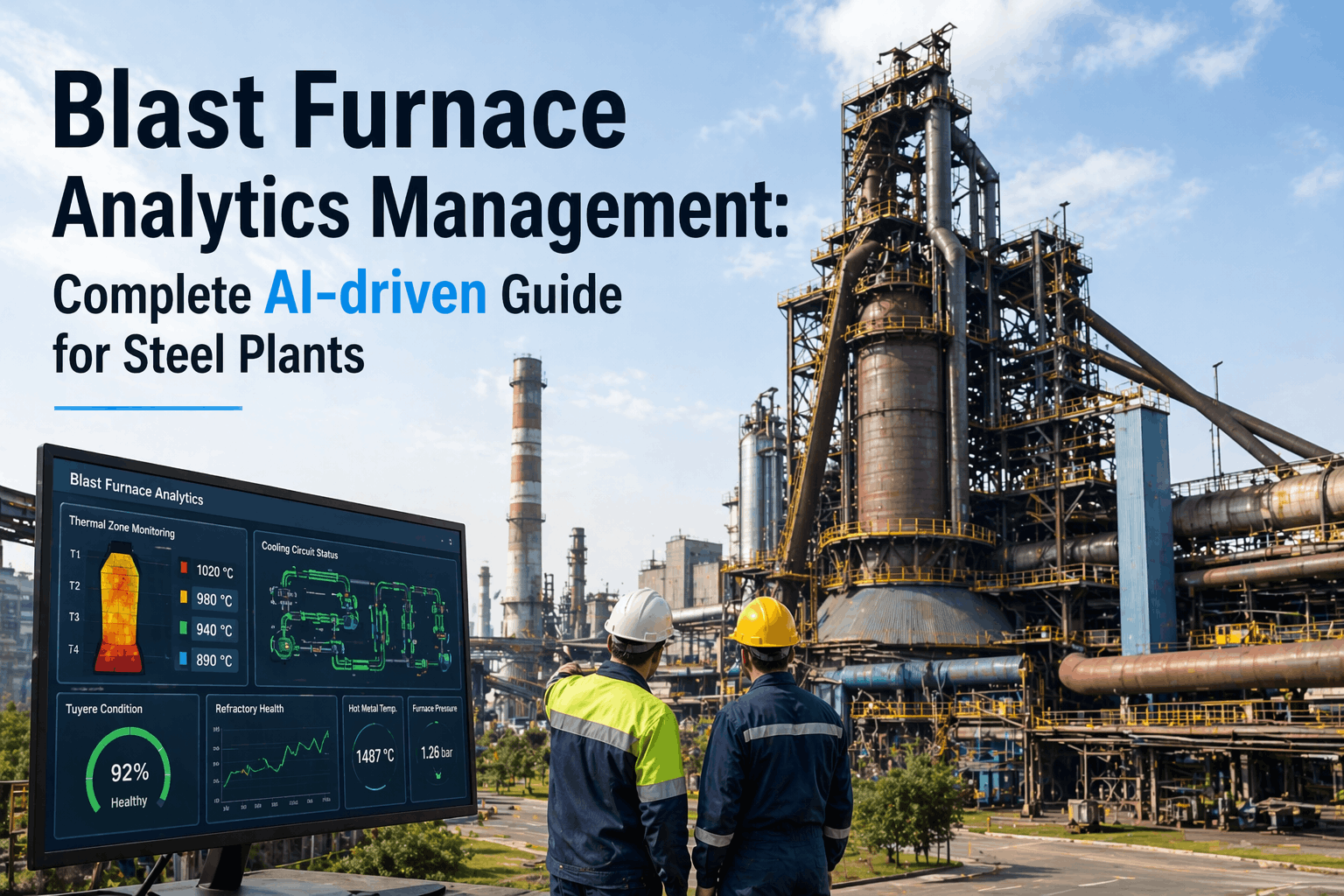
Blast Furnace analytics Management: Digital Solutions for Maximum Uptime
Extend campaign life by up to 20% and avoid ₹800Cr+ relining surprises — AI-driven refractory monitoring and structured analytics scheduling for the modern steel mill.
What Unplanned Furnace Downtime Really Costs — Five Hidden Layers
Most steel mills only track the direct tonnage loss — but a single unplanned blast furnace halt has five distinct cost layers. iFactory's predictive engine calculates the full TCO (Total Cost of Ownership) automatically from your ERP and sensor records. Get your true downtime cost baseline — free in 5 days.
of total event cost
of total event cost
of total event cost
of total event cost
of total event cost
Blast Furnace Downtime by Failure Category — Preventable vs Wear
iFactory identifies which percentage of failures are pre-detectable (preventable) versus those that represent terminal end-of-campaign wear. Focusing on the preventable 70% allows for radical uptime gains without premature relining capital expenditure.
The 5-Step Strategy for Extending Blast Furnace Campaign Life
A digital metallurgical strategy isn't about buying individual sensors; it's about a systematic data loop that converts process noise into actionable furnace health decisions. iFactory implements this roadmap for the world's leading steel producers.
Ingest all historical relining data, stave replacement logs, and sensor histories from SAP PM. Create a 3D digital twin of the refractory lining to visualize heat-load baseline across the furnace height.
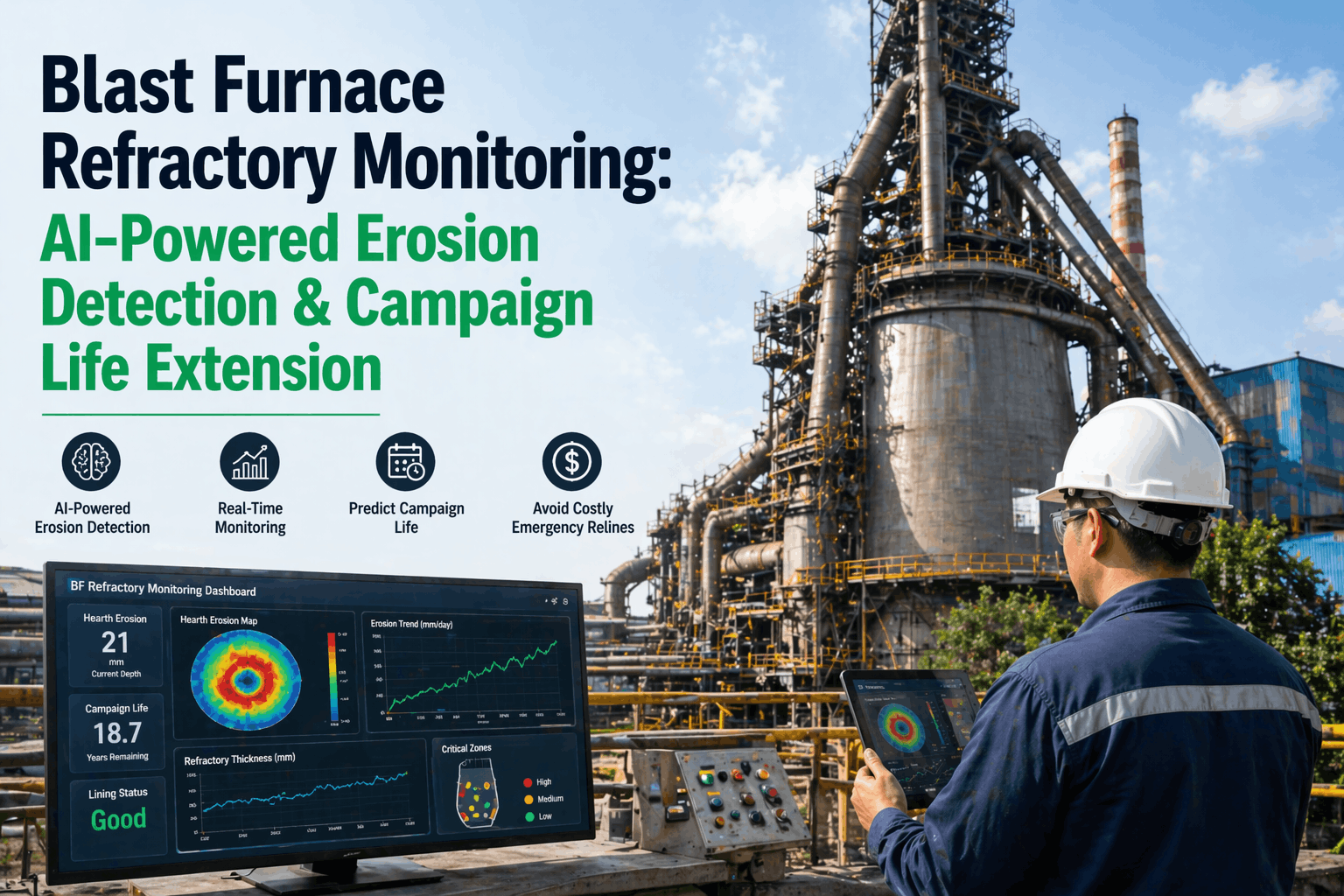
Deploy iFactory AI models on existing thermocouple and cooling water sensors. The AI identifies 'micro-anomalies' in refractory erosion rates 3–6 months before they trigger traditional SCADA alarms.
Predictive monitoring for Blowers, Gas Cleaning Units, and Charging Skip systems. Avoid 'cold restarts' by detecting bearing wear or motor overheating weeks in advance of stoppage.
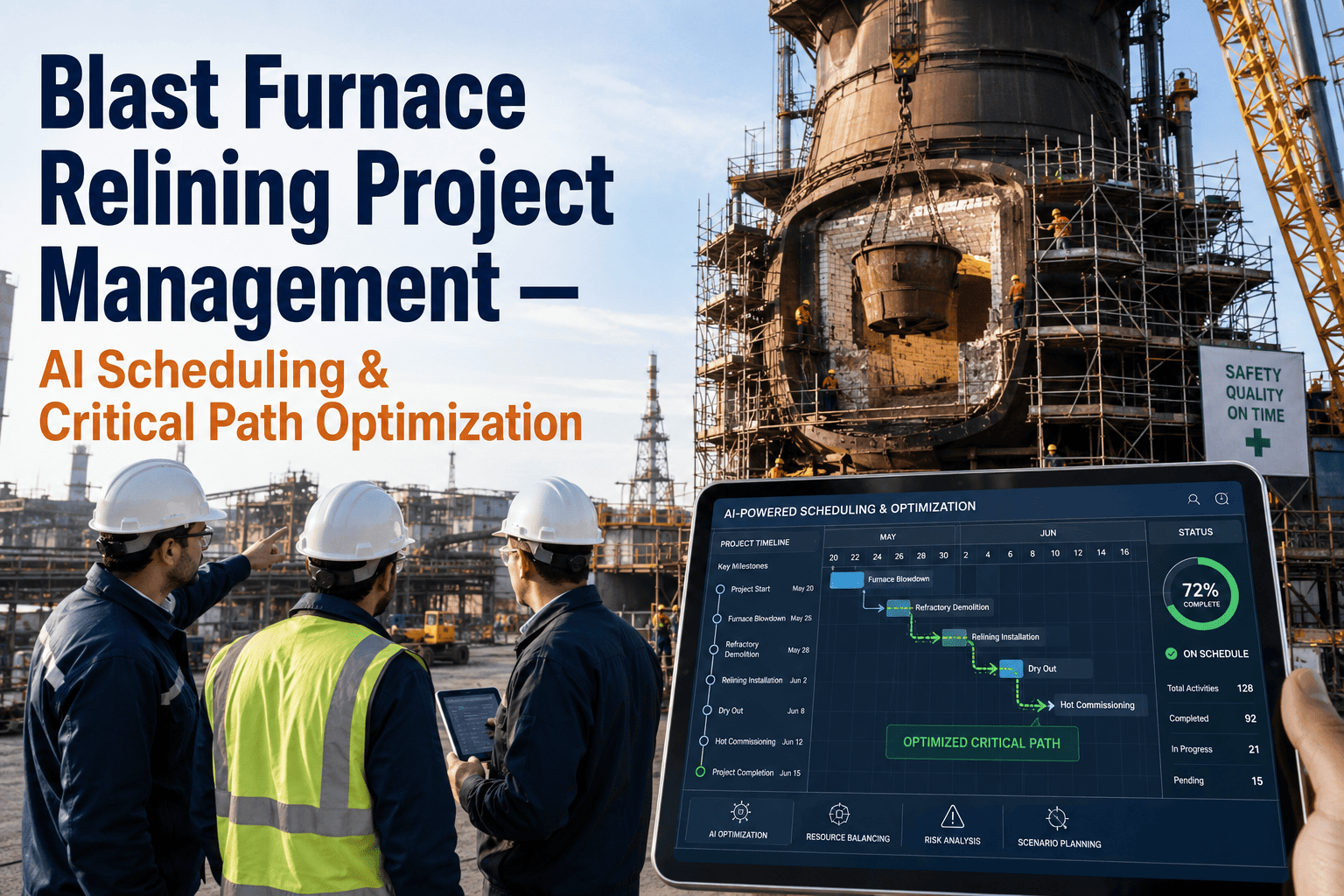
Convert predicted defects into surgical 'short-stop' work orders. Schedule stave or valve replacements during planned mill-wide outages rather than interrupting production mid-tap.
Monthly reporting on downtime avoided, maintenance cost savings, and verified campaign extension. iFactory provides the data required to justify delaying a ₹500Cr relining by another 2 years.
Why iFactory for Steel — Advanced Metallurgical AI
What an Ironmaking Chief Said
We were flying blind on our refractory health, relying on manual calculations and gut feeling. iFactory provided a digital mirror of the furnace interior. By predicting a stave failure 2 months in advance, we saved ₹14 crore in unplanned downtime and prevented a hearth chilling event that could have cost us ₹400 crore in relining. Most importantly, the finance team verified the ROI was achieved within the first quarter of going live.
Frequently Asked Questions
How does AI predict refractory erosion when sensors are only on the surface?
iFactory uses 'Inverse Heat Transfer' modelling. By correlating cooling water delta-T, stave temperatures, and furnace heat load, the AI calculates the residual refractory thickness with high accuracy, creating a predictive erosion trend instead of a static value.
Can we integrate existing SCADA data into iFactory?
Yes. iFactory connects directly to PI System, Wonderware, or OPC-UA servers. We don't require new sensors; we simply apply advanced metallurgical algorithms to the data you are already collecting but not utilizing.
What the typical campaign life extension achievable?
Plants using iFactory typically extend their campaign by 1.5 to 3 years by managing local heat loads and scheduling surgical stave replacements. On a 15-year campaign, this represents a 15-20% gain in capital asset utilization.
Does it require a plant shutdown to install?
No. iFactory is a software-first solution with non-invasive IoT integration. Implementation happens while the furnace is hot and charging, with the first AI insights delivered within 4–6 weeks.
Ready to Digitalize Your Blast Furnace health Management?
Free refractory erosion baseline report from your sensor history — delivered in 5 days.