A blast furnace campaign can run for over a decade between major relines, and for almost all of that time, the single biggest threat to reaching the end of that campaign on schedule isn't the burden, the blast, or the coke, it's the cooling system quietly protecting the shell from temperatures that would otherwise burn through refractory and steel alike within months. Stave coolers and copper cooling plates absorb an enormous, continuous heat load, and when one of them starts to fail, the warning window between "elevated heat flux" and "cooling element breach" can be short enough that a plant relying on periodic manual checks alone may not catch it in time. Continuous heat flux monitoring is what turns that short warning window into something a team can actually act on.
Your Furnace's Entire Campaign Life Depends On Cooling Elements Nobody Sees
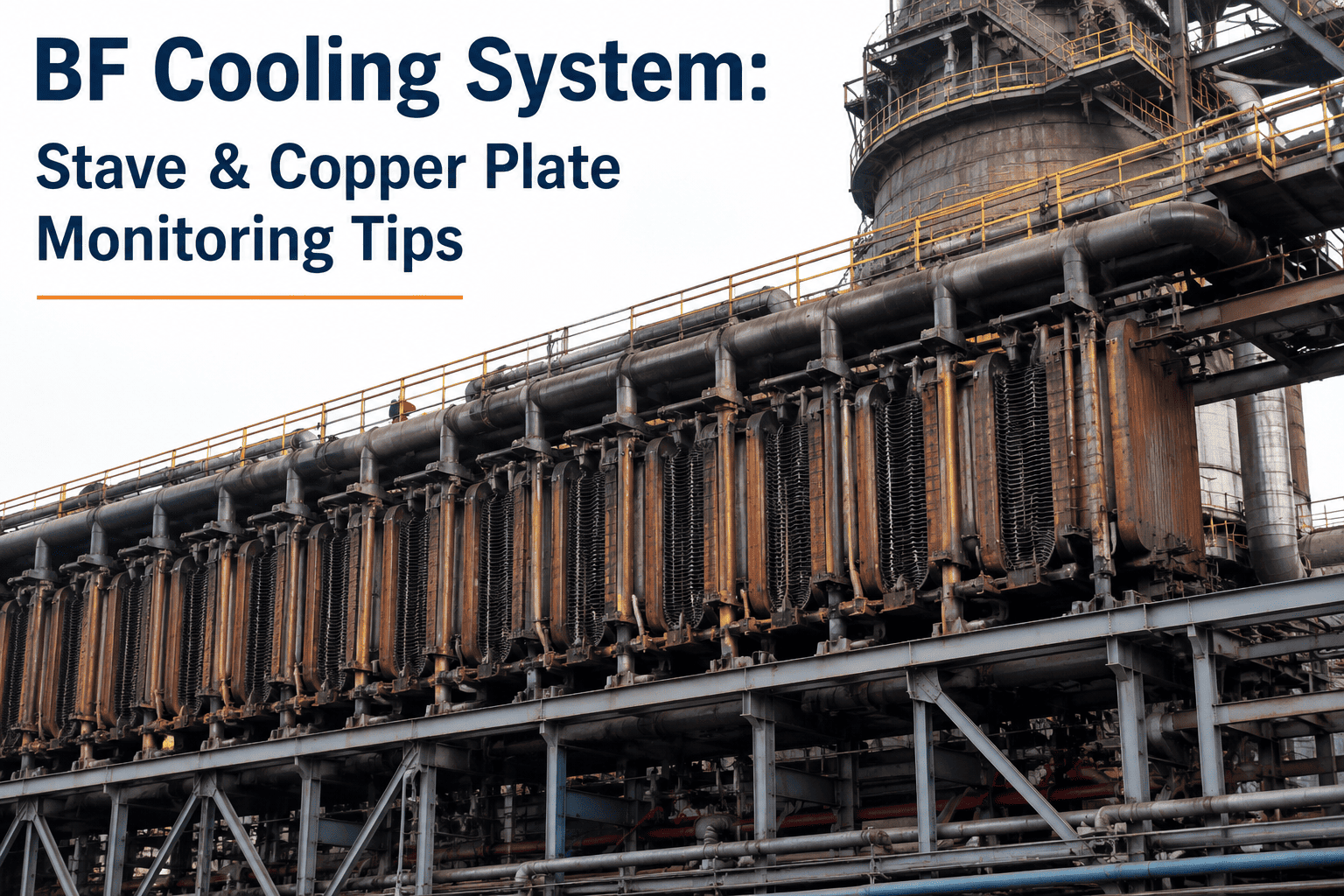
Stave coolers and copper plates are the primary defense protecting the shell from the intense internal heat of blast furnace operation. Their condition directly determines how long a campaign can safely run before an unplanned reline becomes necessary.
Heat Flux Doesn't Rise Randomly — It Tells A Specific Story About Cooling Condition
Heat flux through a stave or copper plate is one of the most direct indicators of cooling system health available, but only when it's interpreted in context rather than as a single number checked occasionally. A gradual, sustained rise in heat flux at a specific location almost always indicates a specific underlying condition, and recognizing which pattern is occurring is what separates a routine maintenance note from a campaign-threatening miss.
Consistent Heat Flux Within Baseline
Heat flux tracking closely with the furnace's established baseline for a given zone and operating condition indicates the cooling element and refractory lining are performing as expected.
Gradual Upward Trend
A steady, sustained increase in heat flux at a specific location typically signals refractory thinning at that point, meaning the cooling element is being asked to absorb more heat than the original design intended.
Sharp Or Localized Spike
A rapid, localized heat flux spike is a much more urgent signal, often indicating advanced refractory loss or the early stages of a cooling element integrity issue that needs immediate investigation.
Every Undetected Hot Spot Shortens The Path To An Unplanned Reline
A full blast furnace reline is one of the largest planned capital events a steel plant undertakes, and campaigns are specifically engineered to reach a target service life before that reline becomes necessary. Cooling system degradation that goes undetected doesn't just risk a single localized failure, it risks pulling forward the timeline for a full reline from a planned, budgeted event to an unplanned emergency shutdown.
This is why cooling system monitoring is treated less as routine maintenance and more as direct campaign life insurance on well-run furnaces. A stave or copper plate breach, once it progresses far enough, can allow direct exposure of the shell to internal furnace conditions, a failure mode serious enough that furnace operators generally treat any confirmed integrity issue as requiring immediate response rather than scheduling around it, unlike most other maintenance items on the floor.
Don't Let A Slow Trend Become A Fast Emergency
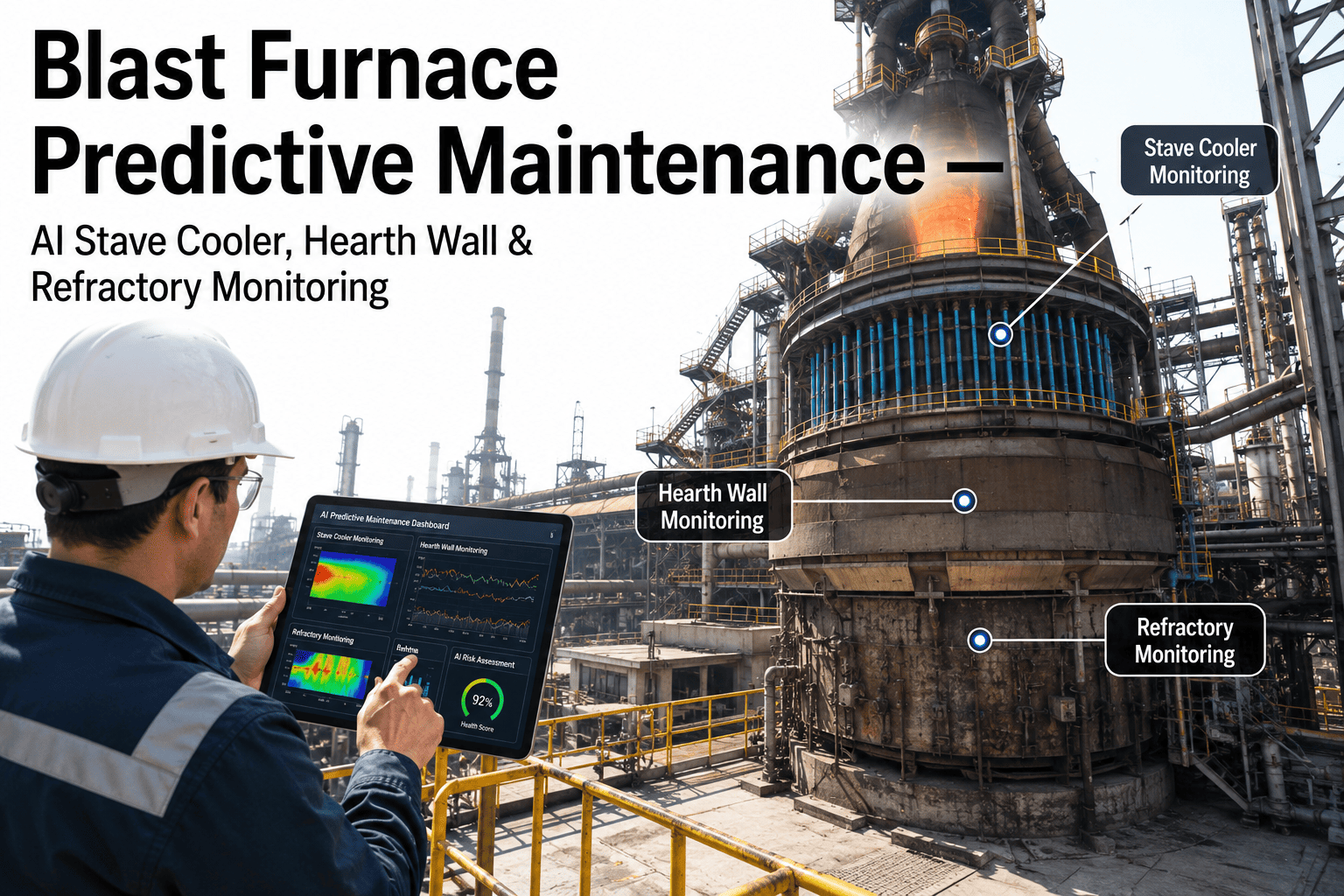
iFactory tracks heat flux across every monitored stave and cooling plate continuously, comparing current readings against zone-specific baselines so a gradual trend gets flagged while it's still a watch item, not an emergency.
Stave Coolers And Copper Plates Fail Differently — Monitor Them Differently
Stave coolers and copper cooling plates serve the same broad protective purpose but have different construction, different typical failure modes, and different monitoring priorities. Treating them with an identical monitoring approach misses failure patterns specific to each design.
| Cooling Element | Typical Failure Mode | Primary Monitoring Focus |
|---|---|---|
| Cast iron staves | Cracking from thermal cycling stress | Thermal cycling frequency and crack detection |
| Copper staves | Localized erosion at high-flux zones | Zone-specific heat flux mapping |
| Copper cooling plates | Water channel scaling or blockage | Cooling water flow rate and temperature differential |
| Cooling water circuit overall | Leak development at connection points | Flow balance across parallel cooling circuits |
Four Elements A Serious Cooling Monitoring Program Actually Needs
A cooling monitoring program built around occasional manual checks alone leaves significant gaps between measurements, exactly the gaps where a fast-developing issue can progress unnoticed. The elements below reflect what a more complete monitoring approach typically includes.
Zone-Specific Baselines, Not A Single Furnace-Wide Number
Different zones of the furnace experience different heat loads by design, so a single acceptable heat flux threshold applied furnace-wide will either miss real problems in high-load zones or generate false alarms in naturally cooler zones.
Continuous Trend Tracking, Not Point-In-Time Readings
A single heat flux reading tells you the current state, but only a continuous trend reveals whether that state is stable, gradually worsening, or spiking, and the trend is what actually drives the appropriate response.
Cooling Water Flow And Temperature Differential Data
Heat flux data alone doesn't tell the whole story, since a cooling element can show rising flux due to a water flow restriction rather than refractory loss, making combined heat and flow data essential for accurate diagnosis.
A Defined Escalation Path By Severity
A documented, pre-agreed response for each severity level, from routine watch-listing to immediate investigation, removes ambiguity about what action a given reading actually requires and prevents delayed response to a serious signal.
Common Questions On Blast Furnace Cooling System Monitoring
Protect Your Campaign Life With Continuous Cooling Visibility
iFactory brings heat flux, cooling water flow, and zone-specific baselines into one continuously monitored view, so your team can act on a developing trend instead of discovering a failure after it happens. Book a demo to see it against your own furnace's cooling data.