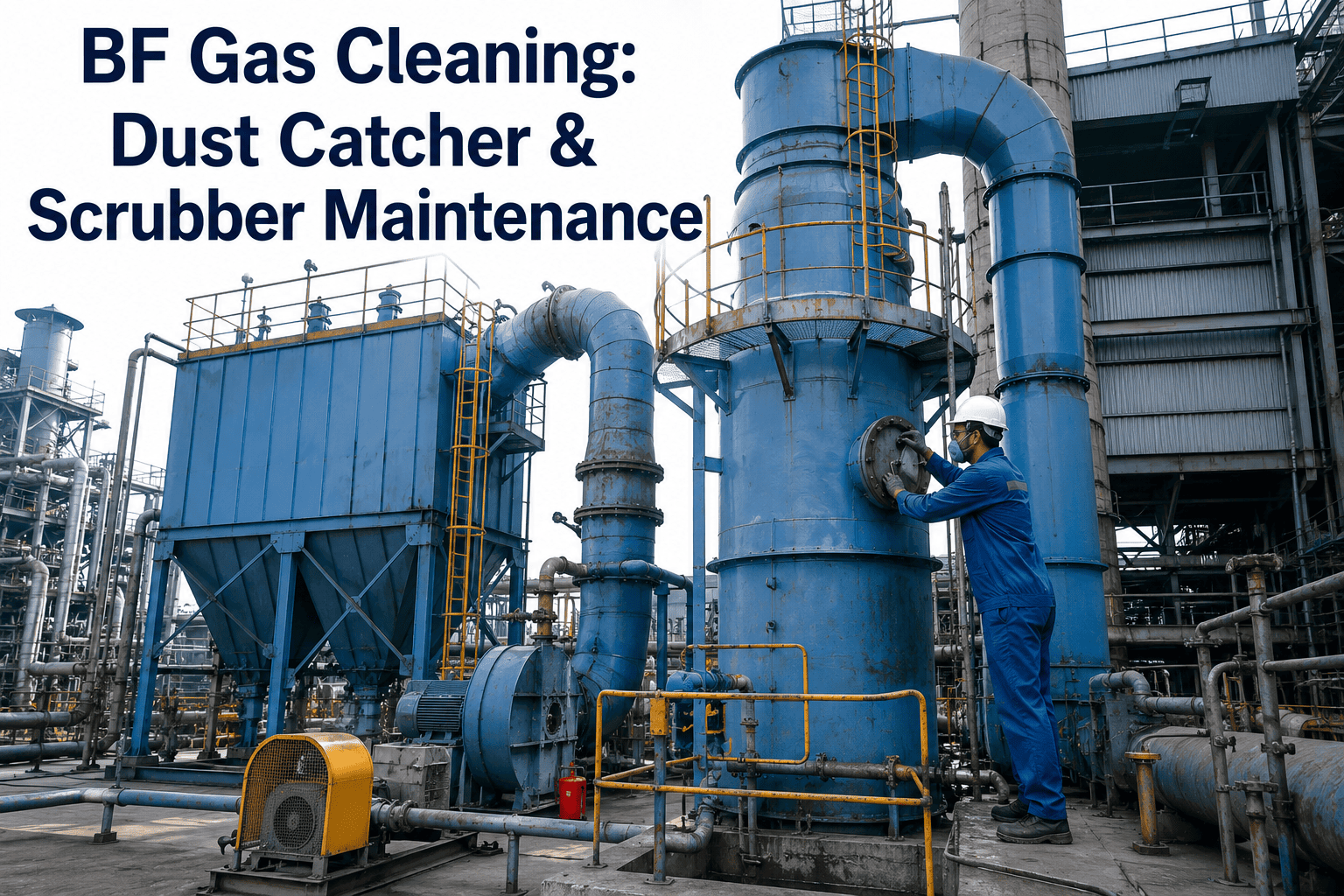
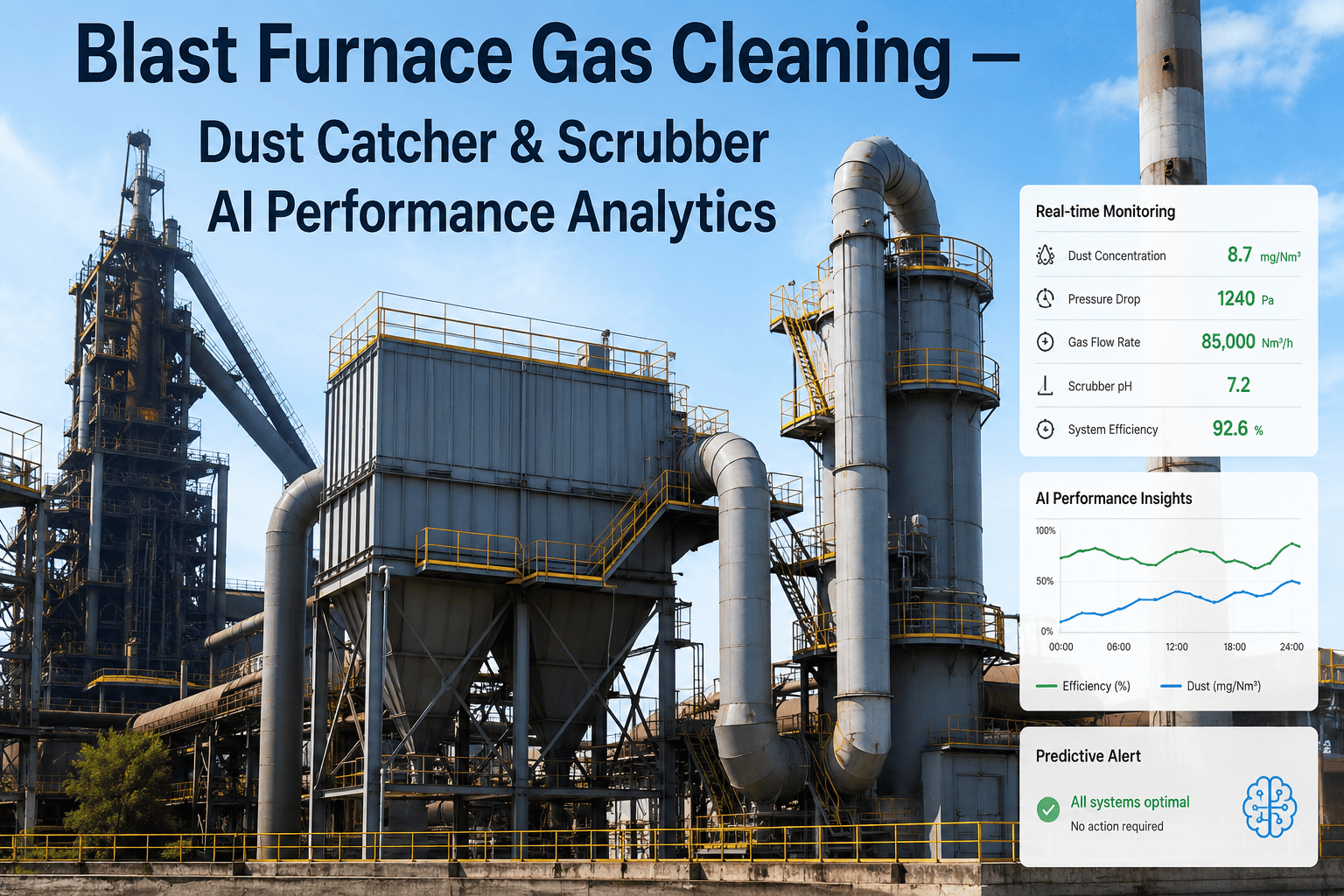
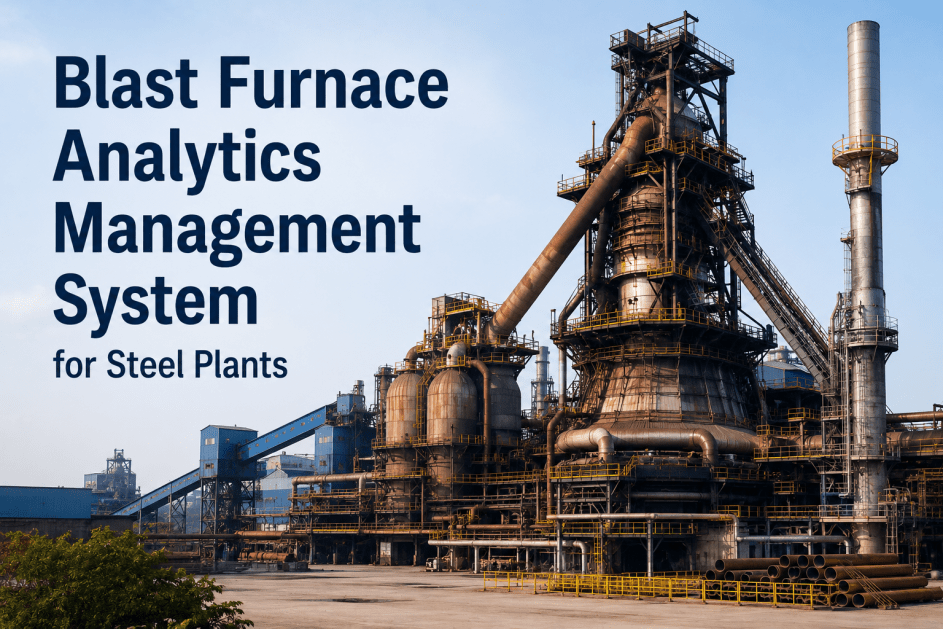
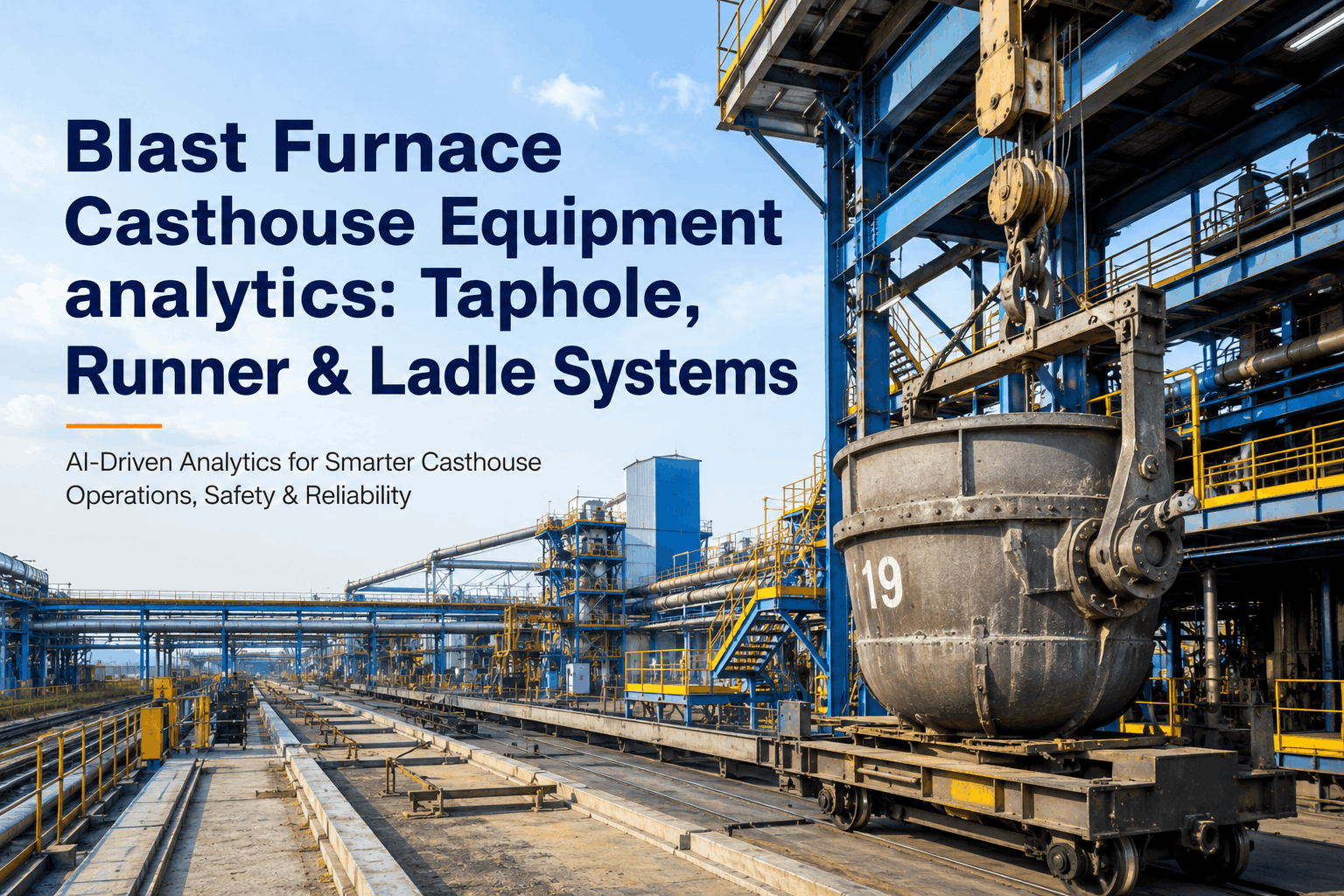
In the industrial circular economy of an integrated steel mill, the Blast Furnace Gas (BFG) system represents the single largest opportunity for secondary energy recovery and environmental risk mitigation. The Gas Cleaning Plant (GCP) and the Top Pressure Recovery Turbine (TRT) are the technical sentinels tasked with transforming raw, hazardous top-gas into a clean, pressurized energy source that powers the mill's hot blast stoves and internal power plants. However, these systems operate under extreme fluid-dynamic stress—facing abrasive dust, corrosive moisture, and high-velocity gas flows that can erode TRT blades or foul scrubber nozzles in a matter of weeks. **Blast furnace gas cleaning and TRT analytics with AI-driven intelligence** provides the predictive precision required to navigate these harsh conditions. By correlating high-frequency vibration data, water chemistry, and gas pressure profiles, iFactory enables operators to maximize kilowatt recovery while extending the life of critical cleaning infrastructure. Organizations that schedule a BFG energy audit with iFactory are discovering that their gas systems are often operating at 70% efficiency, representing a massive untapped revenue stream for the modern steel mill.
Is Your Gas Cleaning Plant Protecting Your TRT Investment?
Unify dust catcher dumping logic, scrubber nozzle health, and TRT vibration analytics into one AI-driven platform built for ironmaking energy excellence.
The Strategic Role of Intelligent Gas Cleaning in High-Volume Ironmaking
The reliability of the Gas Cleaning Plant is a direct prerequisite for the performance of the entire mill. If the BFG is not cleaned to under 5mg/Nm³, the downstream hot blast stoves face "Checker Plugging" and the TRT blades face catastrophic "Erosion Failure." Traditional gas management relies on static "Set-and-Forget" flow rates and periodic manual inspections, which fail to capture the transient surges in dust loading during furnace slips or burden changes. Modern **gas cleaning analytics** shifts this paradigm to "Dynamic State Awareness." By applying AI models to the pressure-drop across Venturi scrubbers and the vibration spectra of the TRT bearings, iFactory provides an "X-Ray" view into the cleanliness of the gas stream. When ironmaking teams book a technical demo, they see firsthand how predictive alerts for scrubber water fouling can save millions in downstream refractory repairs.
Furthermore, the Top Pressure Recovery Turbine (TRT) is the furnace's "Energy Battery." iFactory's predictive logic monitors the TRT's "Yield Gap"—the difference between available gas energy and actual generator output. By identifying the root causes of efficiency loss—such as goggle valve leakage or blade fouling—iFactory ensures that every available kilopascal of gas pressure is converted into revenue-generating electricity.
TRT Blade Erosion Monitoring
Track the high-frequency vibration and efficiency decay signatures of the TRT. AI-driven models identify the onset of blade erosion from particulate carry-over, allowing for proactive blade-washing or scheduled maintenance.
Venturi Scrubber throat Analytics
Monitor the hydraulic resistance and throat-positioning of wet scrubbers. Detect nozzle scaling or throat-blockage before it impacts gas cleanliness or forces a furnace top-pressure surge.
Dust Catcher "Smart Accumulation"
Digitize the primary dry-cleaning phase. AI correlates gas flow profiles with dust-dump cycles to optimize accumulation levels, preventing valve erosion and ensuring stable gas-main pressure.
Moisture & Dew-Point tracking
Track gas moisture content post-scrubbing. Prevent water carry-over into the TRT and stoves by automatically adjusting demister spray cycles and reheating setpoints based on live dew-point data.
"For years, our TRT uptime was limited by 'Sudden Vibration Events' that we couldn't explain. We were bypassing gas nearly 20% of the time to avoid turbine damage. iFactory's gas analytics showed us that these events were actually caused by moisture surges from a fouled demister in the scrubber. By automating the demister cleaning cycles based on iFactory's AI, we've achieved 99% TRT availability and increased our average power output by 3.8 MW. It's the first time our energy team and furnace team have been on the same page."
The Technical Pillars of High-Yield Gas Recovery Analytics
Maximizing energy from BFG requires a deep understanding of both mechanical health and thermodynamic potential. iFactory's platform is built on these technical pillars to ensure your gas system is an asset, not a bottleneck. Utilities and energy teams often schedule a yield audit to benchmark their systems against these pillars.
Pillar 1 — TRT Surge Control & Vibration Analytics
TRT surge is a high-risk event that can destroy turbine bearings in seconds. iFactory's AI monitors the "Surge Margin"—correlating inlet pressure, gas flow, and turbine RPM to identify the approach of aerodynamic instability. The system provides pre-emptive alerts to adjust the gate valves or bleed-valves, ensuring the turbine stays within its "Safe Efficiency Envelope."
Pillar 2 — Scrubber Water Chemistry & Scaling Prediction
The effectiveness of a wet scrubber depends on water quality. iFactory integrates with water treatment sensors to track the **Langelier Saturation Index (LSI)** and particulate loading. If the water becomes too "Scaly," the AI predicts the time-to-blockage for the Venturi nozzles, allowing for scheduled chemical dosing or cleaning before gas cleanliness drops.
Pillar 3 — Autonomous Pressure-Sync (TRT to Septum Valve)
Switching between TRT and the Septum-Valve (bypass) is a critical transition. iFactory's "Pressure Sync" module automates the valve handover, ensuring that furnace top-pressure never fluctuates more than ±0.5%. This stability protects the furnace burden and allows the TRT to be taken on or off-line without impacting ironmaking production.
Reactive Gas Management vs. iFactory Circular Intelligence
Transitioning from "Monitoring" to "Predictive Yield Optimization" is the hallmark of a world-class steel producer. The comparison below highlights the operational transformations that occur when iFactory's gas suite is integrated. Reliability teams looking to build a business case for TRT modernization often book an ROI modeling session.
| BF Gas & TRT Metric | Reactive Approach (Manual) | iFactory Circular Intelligence | Business Impact |
|---|---|---|---|
| TRT Blade Inspection | Physical (Stoppage required) | Continuous AI-Vibration Mapping | Prevents catastrophic $1M+ turbine failure |
| Scrubber Nozzle Health | Periodic visual check | Hydraulic Digital Twin Monitoring | Ensures 100% gas cleanliness (<5mg/Nm³) |
| Energy Yield Potential | Calculated post-month | Real-time "Loss of Potential" AI | Recovers $1.5M in lost kilowatt revenue |
| Pressure Stability | Manual valve adjustment | Predictive Valve-Sync Logic | Zero furnace burden slips from gas surges |
| Environmental Audit | Manual grab-sampling | Autonomous Particulate System | Audit-Ready 24/7 compliance record |
| Water Scrubber OpEx | Continuous high flow | Load-Based "Smart Flow" Sync | -15% Scrubber water pumping costs |
The 3-Phase Roadmap to Intelligent Energy Recovery
Successfully modernizing a blast furnace gas system requires a phased approach that respects the high-pressure nature of the TRT and cleaning equipment. iFactory's implementation roadmap ensures you gain visibility before you activate autonomous control. If you're ready to maximize your power revenue, book an energy recovery audit today.
Data Connectivity & Sensory Audit
Connect the TRT PLC, scrubber water pumps, and gas-main thermocouples to the iFactory Edge. Deploy laser particulate monitors and high-frequency vibration sensors on TRT bearings. Timeline: 4–6 weeks.
Blade Erosion & Scrubber Fouling AI
Activate AI models for TRT blade fatigue and scrubber nozzle scaling. Establish real-time "Health Scores" for the turbine and wet-cleaning stages. Correlate gas-moisture with turbine efficiency. Timeline: 8–12 weeks.
Closed-Loop Pressure & Yield Sync
Fully automate the TRT gate-valve and scrubber water flow setpoints. Achieve autonomous pressure-stability and maximum kilowatt recovery with zero-manual intervention. Timeline: Ongoing.
The ROI of Intelligence: KPI Gains from iFactory Gas Analytics
Optimizing your gas cleaning and recovery system isn't just an environmental win; it's a direct booster for your plant's bottom line. The benchmark chart below shows the average gains achieved by integrated steelmakers within 12 months of adopting iFactory's gas intelligence platform. These are the results of "Physics-Based AI." Utilities managers who book a demo today are securing these sustainability gains for the next campaign.
Blast Furnace Gas Cleaning & TRT Analytics — Common Questions
How does iFactory predict TRT blade erosion without a shutdown?
We use a proprietary "Acoustic-Vibration Correlation" model. By analyzing the high-frequency vibration spectra of the turbine shaft and correlating it with the particulate loading data from the scrubber, the AI identifies the specific vibration frequency of an unbalanced, eroded blade. This allows you to schedule maintenance before the turbine performance drops significantly.
What is the "Septum Valve Sync" and why is it important for TRT?
The Septum-Valve is the backup pressure control for the blast furnace. If the TRT trips, the Septum-Valve must instantly open to prevent a pressure surge in the furnace. iFactory's "Predictive Sync" module ensures that the handover between the TRT and the Septum-Valve is perfectly smooth, maintaining furnace stability during emergency turbine shutdowns.
Can the platform detect scaling in scrubber nozzles?
Yes. iFactory monitors the "Hydraulic Fingerprint" of each scrubber stage. If the differential pressure across a spray zone increases while pump power remains constant, the AI flags the onset of nozzle scaling. This allows for chemical de-scaling to be triggered only when needed, reducing chemical OpEx by 20%.
Does "Smart Dust Catcher Accumulation" reduce valve wear?
Absolutely. Dumping a dust catcher too frequently causes unnecessary wear on the massive goggle valves and dust-dumping valves. By dumping only when the hopper reaches the "Ideal Thermal Accumulation Level," iFactory reduces valve cycling by up to 30%, extending the life of these expensive mechanical components.
How does the platform handle TRT surge protection?
The platform features a "Surge-Guard AI" that tracks the turbine's operating point on its performance map. If gas flow drops or pressure fluctuations occur that threaten to cause a surge, the system automatically adjusts the inlet guide vanes or opens the bypass valve to keep the turbine in a stable aerodynamic zone.
Is this compatible with "Dry-Type" (Bag Filter) gas cleaning plants?
Yes. While wet scrubbers are common, iFactory is equally effective for Bag-Filter systems. We monitor the individual bag-house differential pressures and identify "Leaking Bag" signatures before particulate carry-over can damage the downstream TRT.
How much energy recovery gain can we expect?
Most plants see a **15% to 25% increase** in net TRT power generation. This is achieved by reducing bypass time, maintaining cleaner blades (higher efficiency), and optimizing the gate-valve positioning for maximum gas flow. Request a Technical ROI Assessment here.
How long does it take to implement the TRT efficiency module?
The typical implementation takes **8 to 12 weeks**. The first 4 weeks are dedicated to "Learning" the unique aerodynamic and vibration characteristics of your turbine. Once the baseline is set, we activate the predictive alerts and final autonomous yield synchronization.
Recover More Energy. Protect Your Ironmaking Assets.
iFactory's intelligent gas and TRT platform is the only solution built to bridge the gap between environmental compliance and operational energy profit — purpose-built for the global ironmaking industry.