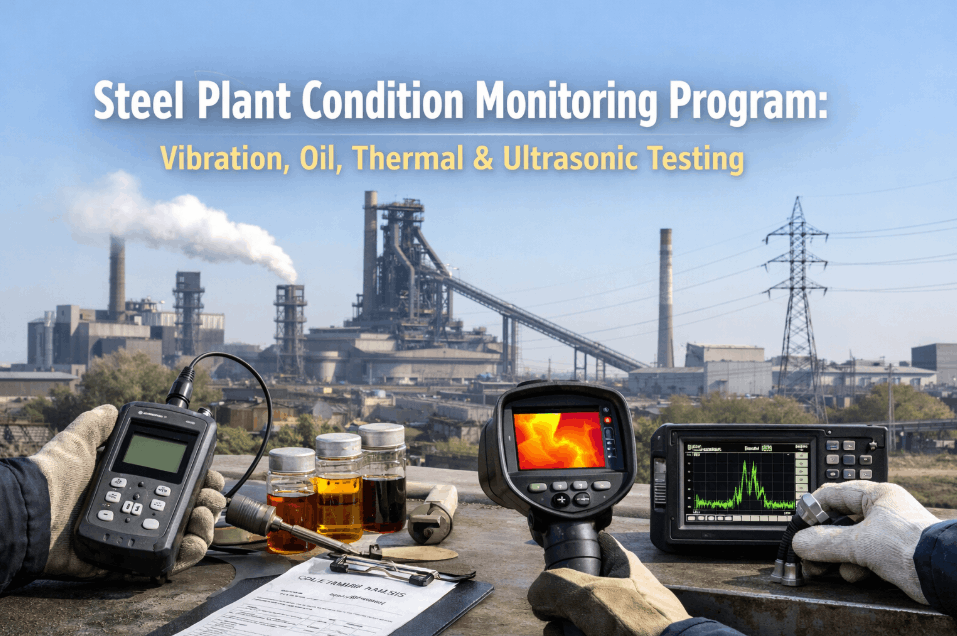
In the high-stakes environment of Electric Arc Furnace (EAF) steelmaking, water-cooled panels and roofs are critical yet vulnerable components that operate under extreme thermal and mechanical stress. A single undetected water leak into the furnace can trigger catastrophic steam explosions, leading to equipment damage, production halts, and severe safety hazards. Traditional inspection methods rely on manual thermal imaging or periodic shutdowns, which are reactive and often too late. Advanced AI-driven monitoring systems now offer continuous, real-time analysis of thermal patterns, stress distribution, and panel degradation, enabling predictive maintenance that prevents failures before they occur. This comprehensive guide explores the technical intricacies of EAF water-cooled panel and roof monitoring, detailing how AI algorithms detect micro-leaks, analyze thermal stress, and predict remaining panel life with unprecedented accuracy. For plant managers and maintenance directors seeking to eliminate unplanned downtime and enhance safety, Book a Demo to see how our solution transforms your EAF operations.
Eliminate Water Leak Risks with AI-Powered Monitoring
Real-time detection of micro-leaks and thermal anomalies. Protect your furnace and personnel from steam explosions.
The Hidden Danger: Water Leaks in EAF Water-Cooled Systems
Water-cooled panels and roofs in EAFs are designed to withstand extreme temperatures exceeding 1600°C, but continuous thermal cycling, slag splashing, and mechanical fatigue gradually degrade their integrity. A water leak, even a small one, introduces moisture into the furnace, which instantly vaporizes into steam, expanding 1600 times in volume. This rapid expansion can cause violent steam explosions, ejecting molten steel and damaging surrounding equipment. Industry data indicates that water leaks account for over 30% of unplanned EAF shutdowns, with each incident costing an average of $500,000 in repairs and lost production. Traditional monitoring relies on manual inspection during scheduled outages, which misses intermittent leaks and offers no predictive capability. AI-based continuous monitoring addresses this gap by analyzing thermal signatures from strategically placed sensors, detecting anomalies that indicate crack formation or panel thinning long before a catastrophic failure occurs.
How AI Detects Micro-Leaks in Water-Cooled Panels
AI models are trained on vast datasets of thermal images and sensor readings from EAF operations. They learn to distinguish between normal thermal gradients caused by arc fluctuations and abnormal patterns indicative of water leakage. For instance, a water leak typically creates a localized cold spot on the panel surface due to evaporative cooling, which contrasts with the surrounding high-temperature area. The AI continuously scans thermal camera feeds and thermocouple data, flagging any deviation from the learned baseline with a confidence score. Advanced algorithms also account for process variables such as scrap mix, power input, and slag composition to filter out false positives. In field deployments, these systems have achieved detection accuracies above 98%, identifying leaks as small as 0.5 liters per minute within seconds of occurrence. Once a potential leak is detected, the system automatically alerts operators and provides precise location coordinates, enabling targeted intervention without halting production.
Thermal Stress Analysis: Predicting Panel Fatigue
Beyond leak detection, AI models analyze thermal stress distribution across panels and roofs to predict fatigue life. During each heat, panels undergo rapid heating and cooling cycles that induce thermal stresses, leading to crack initiation and propagation. By monitoring temperature gradients and rates of change, AI algorithms calculate the cumulative thermal fatigue damage using physics-based models combined with machine learning. This approach predicts the remaining useful life (RUL) of each panel with an accuracy of ±5%, allowing maintenance teams to schedule replacements during planned outages rather than reacting to failures. The system also identifies panels operating near their stress limits, recommending operational adjustments such as reducing power input or adjusting cooling water flow to extend panel life. In practice, this has led to a 40% increase in average panel lifespan and a 50% reduction in emergency panel replacements.
Key Benefits of AI-Powered Panel Monitoring
Real-Time Leak Detection
Continuous monitoring of all panels and roof sections with sub-second anomaly detection, enabling immediate response to prevent steam explosions.
Predictive Maintenance Scheduling
AI-driven remaining life predictions allow maintenance to be planned during scheduled downtimes, eliminating emergency shutdowns.
Thermal Stress Optimization
Analysis of thermal gradients helps operators adjust furnace parameters to reduce stress on panels, extending their operational life.
Enhanced Safety
Early warning of water leaks protects personnel from steam explosion hazards and prevents damage to downstream equipment.
Cost Reduction
Minimizes unplanned downtime, reduces panel replacement costs, and lowers insurance premiums through improved risk management.
Compliance & Reporting
Automated documentation of panel condition and maintenance history supports regulatory compliance and continuous improvement initiatives.
Transform Your EAF Maintenance Strategy
Move from reactive repairs to predictive intelligence. Schedule a demo to see how our AI platform protects your furnace.
Implementation Roadmap for AI Panel Monitoring
Sensor Deployment
Install high-resolution thermal cameras and thermocouples on all water-cooled panels and roof sections. Typically 8-12 sensors per furnace depending on size.
Data Integration
Connect sensor data to the AI platform via industrial IoT gateways. Historical data from the past 6 months is used to train initial models.
Model Calibration
AI models are calibrated using baseline thermal profiles and process parameters. Custom thresholds are set for each panel based on its age and material.
Operator Training
Maintenance teams are trained on dashboard interpretation, alert response procedures, and integration with existing CMMS systems.
Continuous Optimization
The AI system continuously learns from new data, refining its predictions and adapting to changes in furnace operation or panel condition.
Technical Specifications of AI Monitoring System
| Parameter | Specification |
|---|---|
| Sensor Type | High-resolution thermal cameras (640x480) + Type K thermocouples |
| Detection Range | 0°C to 1800°C with ±1% accuracy |
| Leak Sensitivity | Detects leaks as small as 0.3 L/min |
| Response Time | <5 seconds from leak initiation to alert |
| Data Sampling Rate | 1 Hz continuous per sensor |
| AI Model Update | Retrained weekly with new operational data |
| Integration APIs | RESTful API, OPC-UA, Modbus TCP |
| Dashboard Access | Web-based, role-based access control |
Real-World Impact: Case Study from a Major Steel Producer
A leading North American steel producer implemented AI-based panel monitoring across three EAFs. Prior to deployment, they experienced an average of 4 water leak incidents per year, each causing an average of 8 hours of unplanned downtime. After installation, the system detected 12 micro-leaks in the first six months, all of which were repaired during scheduled maintenance. The company reported a 70% reduction in unplanned downtime related to water leaks and a 35% increase in panel life. The ROI was achieved within 9 months, primarily through avoided production losses and reduced panel replacement costs. The system also provided valuable data for optimizing cooling water flow rates, reducing energy consumption by 3%.
AI Monitoring vs. Traditional Methods
| Feature | Traditional Inspection | AI Monitoring |
|---|---|---|
| Detection Timing | During scheduled outages (weekly/monthly) | Continuous real-time |
| Leak Sensitivity | Visible leaks only (≥5 L/min) | Micro-leaks (≥0.3 L/min) |
| Predictive Capability | None | Remaining life prediction (±5%) |
| False Positive Rate | High (manual judgment errors) | <2% |
| Cost per Incident | $500,000 average | $10,000 (planned repair) |
Frequently Asked Questions
How does AI differentiate between normal thermal fluctuations and a water leak?
AI models are trained on thousands of hours of operational data, learning the unique thermal signature of normal arc heating, scrap melting, and slag formation. A water leak creates a distinct localized cold spot with a characteristic rate of temperature change. The algorithm also considers process parameters like power input and scrap composition to filter out false signals. For example, a sudden drop in panel temperature during scrap charging might be normal, but the same drop during melting triggers an alert. The system continuously updates its baseline to adapt to gradual changes like panel aging. Book a Demo to see how our models are calibrated for your specific furnace configuration.
What is the typical ROI for implementing AI panel monitoring?
Based on deployments across multiple steel plants, the average payback period is 6 to 12 months. ROI is driven by three main factors: reduction in unplanned downtime (average savings of $400,000 per incident avoided), extended panel life (20-40% reduction in replacement costs), and improved energy efficiency (2-5% reduction in power consumption through optimized cooling). Additionally, insurance premiums can decrease by up to 15% due to reduced risk of steam explosions. For a detailed ROI calculation tailored to your plant, contact our support team.
Can the system integrate with existing plant automation and CMMS?
Yes, the AI platform supports standard industrial protocols including OPC-UA, Modbus TCP, and RESTful APIs. It can send alerts directly to your existing CMMS (e.g., SAP, IBM Maximo) to automatically generate work orders. The dashboard is web-based and accessible via any modern browser, with role-based access for operators, maintenance managers, and executives. Integration typically takes 2-4 weeks with minimal disruption to ongoing operations. Book a Demo to see a live integration example.
How does the system handle false alarms and alert fatigue?
Our AI models are designed to minimize false positives through multi-sensor fusion and context-aware filtering. Each alert is assigned a confidence score (0-100%), and only alerts above a configurable threshold (default 85%) are sent to operators. Alerts are also categorized by severity: informational (panel approaching end of life), warning (minor thermal anomaly), and critical (potential leak). Operators can acknowledge, escalate, or dismiss alerts, and the system learns from these actions to improve future accuracy. In practice, operators receive an average of 2-3 alerts per shift, ensuring they remain attentive without being overwhelmed. Contact support for more details on alert customization.
What maintenance is required for the AI monitoring system itself?
The system requires minimal maintenance. Thermal cameras and thermocouples should be cleaned and calibrated every 6 months, which can be done during planned furnace outages. The AI models are automatically retrained weekly using new operational data, so no manual intervention is needed. Software updates are deployed remotely and typically take less than an hour. The platform includes self-diagnostics that alert you if any sensor is malfunctioning or if data quality degrades. For comprehensive support, visit our support page.
Secure Your EAF Operations with AI Intelligence
Stop reacting to leaks. Start predicting them. Protect your people, equipment, and bottom line with advanced AI monitoring.