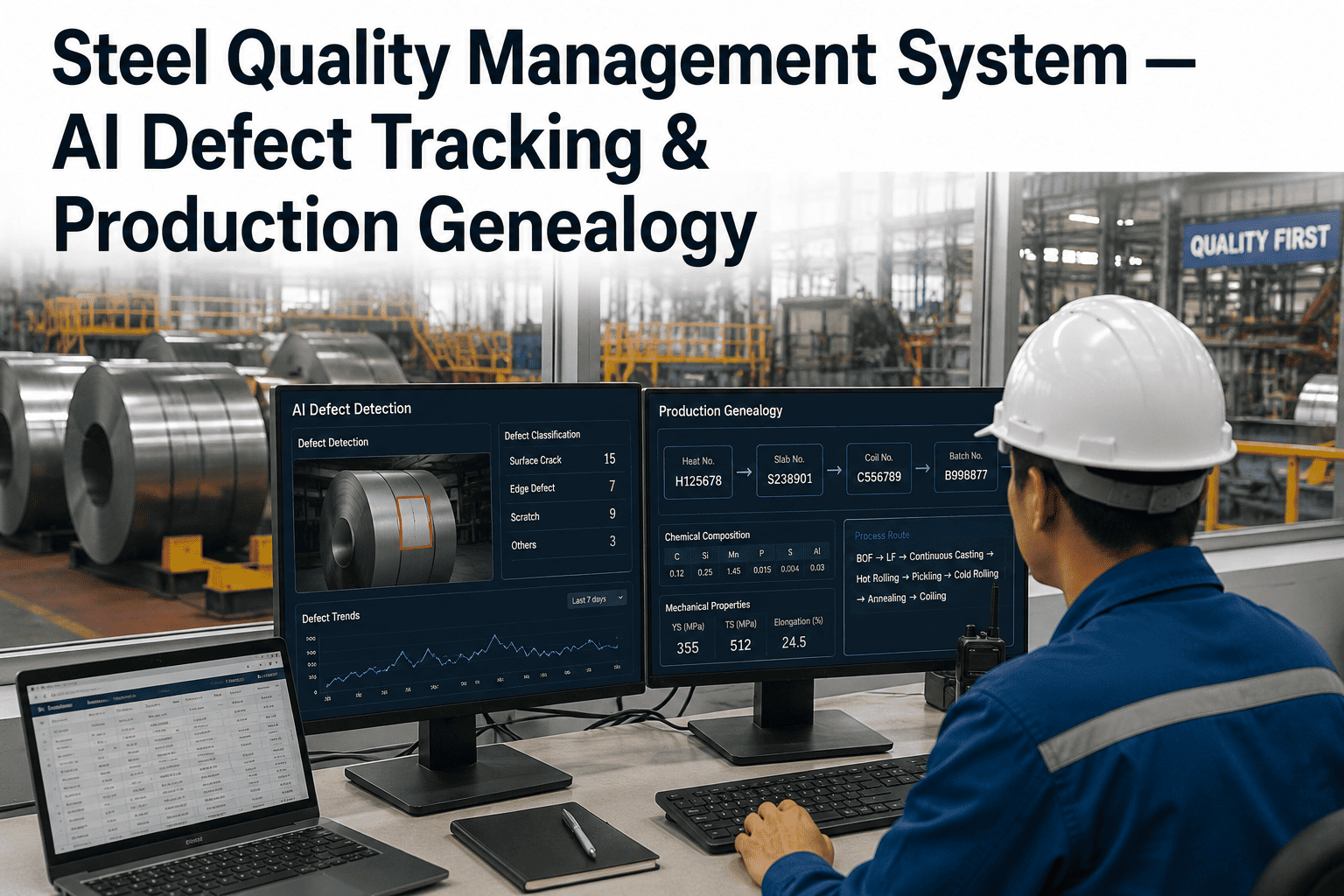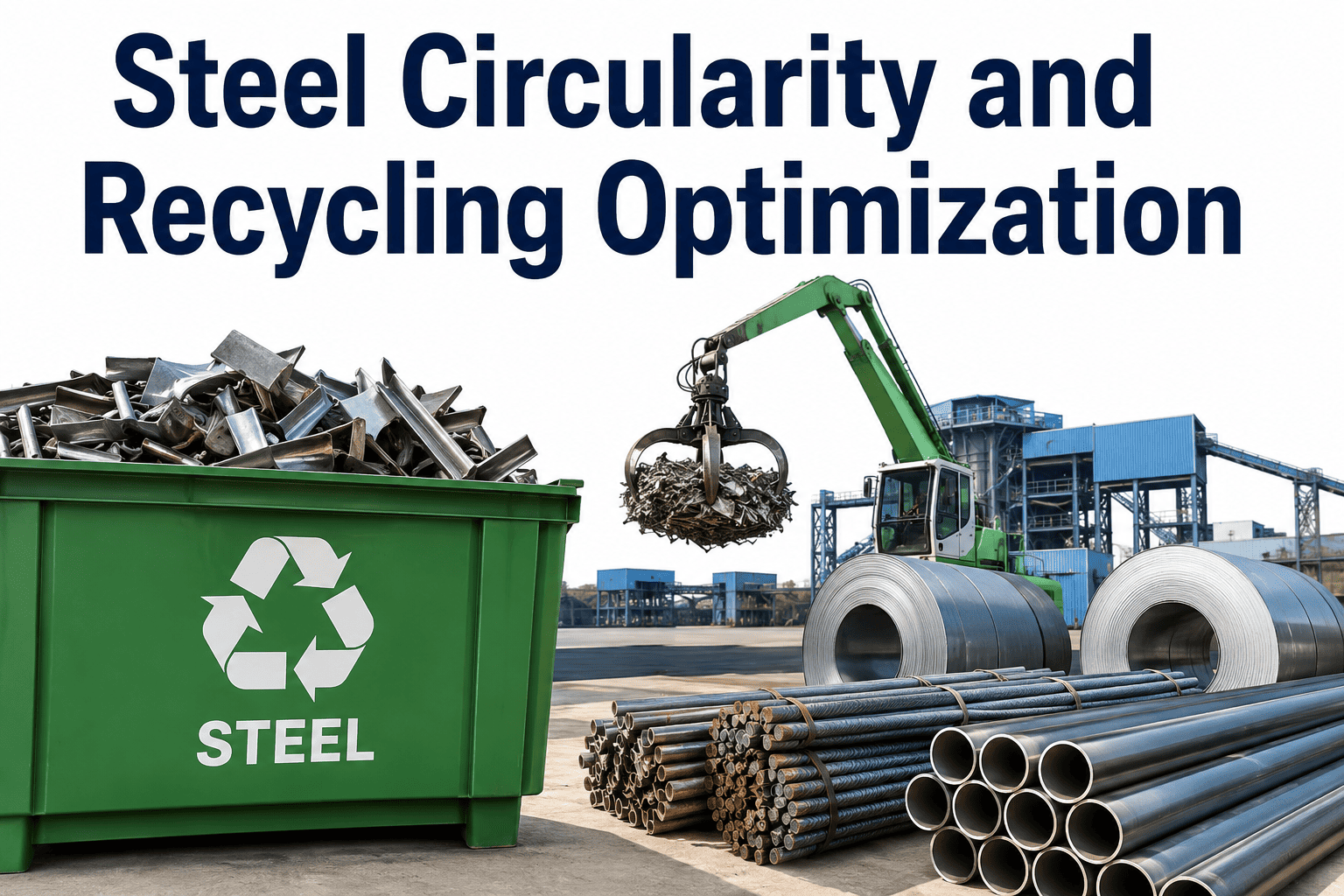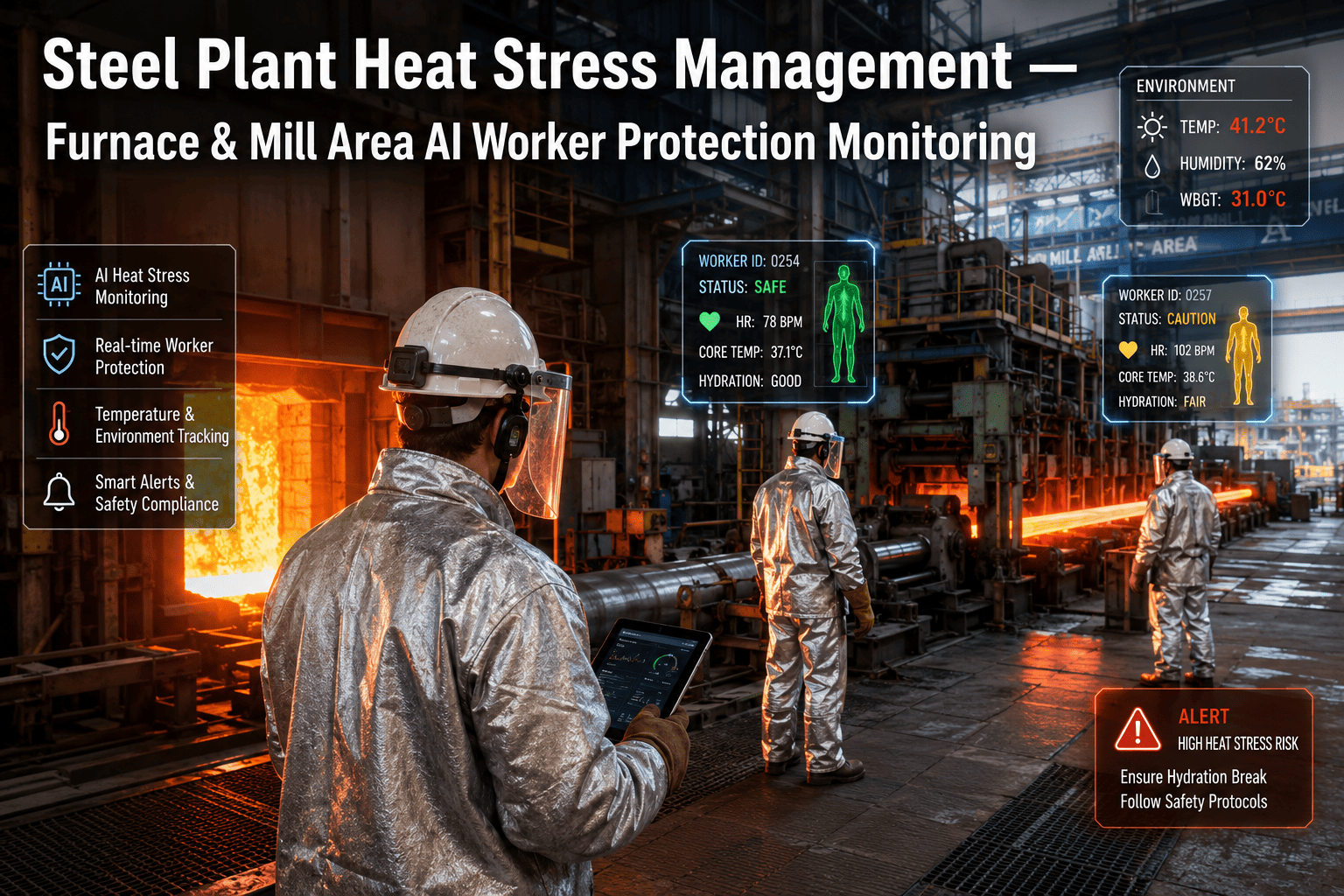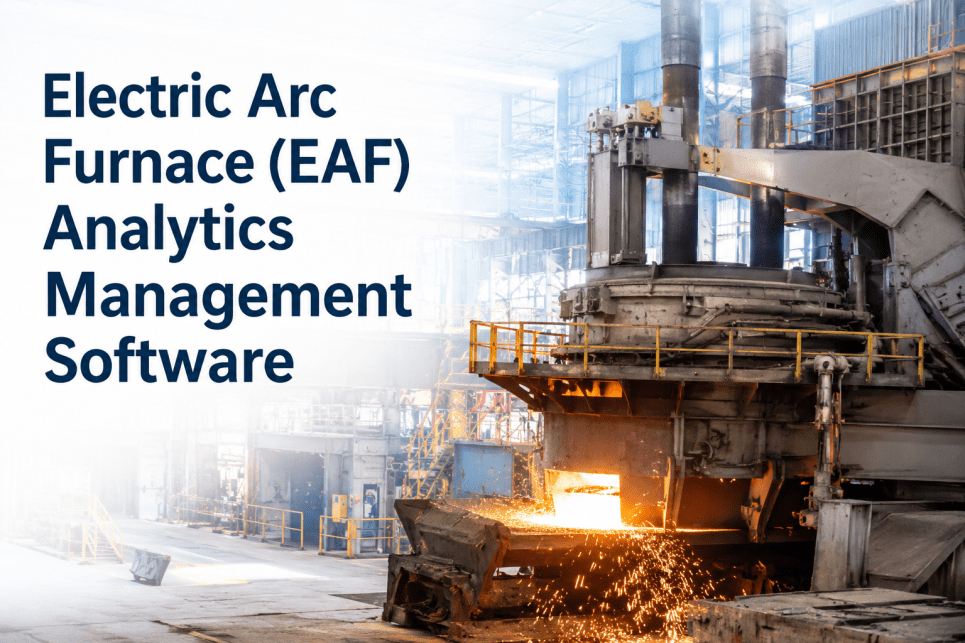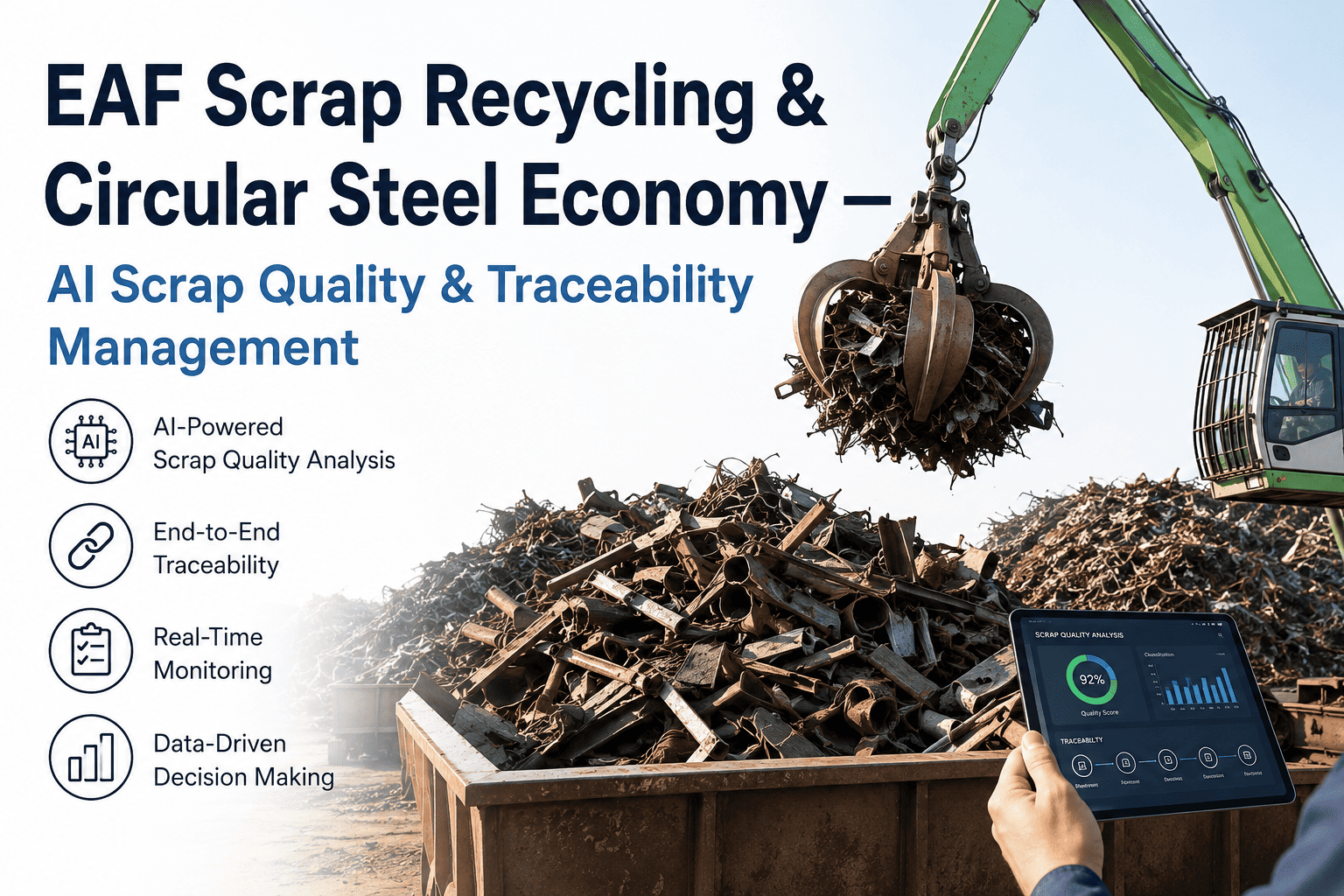
The global steel industry is undergoing a fundamental transformation, driven by the urgent need to decarbonize and embrace circular economy principles. Electric Arc Furnace (EAF) scrap recycling stands at the core of this shift, offering a pathway to produce high-quality steel with significantly lower carbon emissions compared to traditional blast furnace routes. However, the transition to a truly circular steel economy hinges on solving a critical challenge: managing the variability and quality of scrap feedstock. Inconsistent scrap quality, hidden residual elements, and lack of traceability can compromise the integrity of secondary steel, leading to process inefficiencies, increased energy consumption, and even product failures. This is where artificial intelligence (AI) steps in as a game-changer. By deploying AI-powered scrap quality assessment, real-time traceability tracking, and intelligent residual element management, steelmakers can unlock the full potential of EAF recycling. This article explores how advanced AI solutions, such as those developed at iFactory, are revolutionizing scrap management to maximize the value of recycled steel while minimizing reliance on primary steelmaking. Book a Demo to see how we can help your facility achieve true circularity.
Transform Your Scrap Yard with AI Precision
Achieve consistent secondary steel quality and reduce your carbon footprint. Our AI-driven scrap management platform turns variability into a competitive advantage.
AI-Powered Scrap Quality Assessment
Traditional visual inspection and manual sampling are no longer sufficient to meet the demands of a circular steel economy. Our AI system uses hyperspectral imaging and machine learning algorithms to analyze scrap composition in real time, detecting impurities and residual elements such as copper, tin, and nickel with unparalleled accuracy. This enables process engineers to make data-driven decisions on scrap blending and charge design, ensuring that each batch meets the precise specifications required for the target steel grade. The result is a dramatic reduction in off-grade heats and a more stable, efficient melting process.
End-to-End Scrap Traceability
Traceability is the backbone of a credible circular economy. Our platform tracks every scrap lot from its source through sorting, processing, and charging into the EAF. By integrating IoT sensors, barcode scanning, and blockchain-based ledger technology, we create an immutable record of each scrap's origin, composition, and handling history. This transparency not only satisfies regulatory requirements but also builds trust with downstream customers who demand verified recycled content. Process engineers can instantly access the full lifecycle of any scrap batch, enabling rapid root cause analysis when quality issues arise.
From Scrap to Steel: AI-Driven Circular Workflow
Inbound Scrap Inspection
AI cameras and sensors capture multimodal data (visual, spectral, XRF) as scrap enters the yard. The system instantly classifies scrap types, estimates composition, and flags any hazardous or non-conforming materials.
Intelligent Sorting & Blending
Based on the target steel grade and residual element limits, the AI recommends optimal scrap blends. Automated sorting systems divert material to appropriate bins, while the platform updates the inventory in real time.
Charge Design Optimization
Before charging, the AI simulates the melting process, predicting final chemistry and energy requirements. Process engineers receive a recommended charge recipe that minimizes cost while maximizing quality.
Real-Time Melt Monitoring
During melting, the AI continuously analyzes off-gas and power consumption data to adjust electrode positioning and oxygen injection. This ensures complete dissolution of scrap and uniform bath chemistry.
Quality Verification & Reporting
After tapping, the system compares actual chemistry against targets. A detailed traceability report is generated, documenting the entire journey from scrap to steel, satisfying both internal QA and external certification needs.
Ready to Close the Loop on Your Scrap?
Join leading steelmakers who are using AI to achieve true circularity. Reduce waste, lower emissions, and produce premium secondary steel with confidence.
Key Performance Indicators for Circular Scrap Management
| Metric | Traditional Approach | AI-Enhanced Approach | Improvement |
|---|---|---|---|
| Scrap Composition Accuracy | 70-80% | 95-98% | +20% |
| Residual Element Detection Limit | 0.05% | 0.005% | 10x Better |
| Traceability Data Completeness | 60% | 99% | +39% |
| Off-Grade Heat Rate | 8-12% | 1-3% | -75% |
| Energy Consumption per Ton | 550 kWh | 420 kWh | -24% |
| Scrap Yield | 88% | 94% | +6% |
Residual Element Management
Copper, tin, nickel, and other tramp elements accumulate in recycled steel, degrading mechanical properties. Our AI predicts the dilution effect of each scrap source and recommends blending strategies to keep residuals within grade limits. The system learns from historical data to continuously improve its predictions.
Circular Economy Reporting
Comply with emerging regulations such as the EU's Circular Economy Action Plan and the UK's Steel Procurement Policy. Our platform generates automated reports on recycled content, carbon savings, and material efficiency. These reports are audit-ready and can be shared directly with customers and regulators.
Supplier Performance Analytics
Not all scrap suppliers are equal. Our platform scores each supplier based on the consistency, purity, and traceability of their material. Process engineers can use this data to negotiate better contracts, incentivize high-quality scrap, and phase out unreliable sources. The result is a more predictable and higher-quality scrap supply chain.
Frequently Asked Questions
How does AI improve scrap quality assessment in EAF recycling?
AI enhances scrap quality assessment by combining multiple sensor modalities, including hyperspectral imaging, laser-induced breakdown spectroscopy (LIBS), and X-ray fluorescence (XRF). These sensors capture detailed compositional data from every scrap piece as it moves through the yard. Machine learning models, trained on thousands of scrap samples, instantly classify material types and predict residual element concentrations. This eliminates the subjectivity and latency of manual inspection. For instance, a copper-bearing wire scrap can be identified and segregated before it contaminates an entire heat. The system also learns from feedback from the melt shop, continuously refining its predictions. Support is available to help you integrate these sensors. Book a Demo to see a live demonstration of our scrap quality assessment module.
What are the main residual elements in recycled steel and how does AI manage them?
The most problematic residual elements in recycled steel are copper (Cu), tin (Sn), nickel (Ni), chromium (Cr), and molybdenum (Mo). These elements can cause hot shortness, reduce ductility, and affect hardenability. AI manages them by building a dynamic database of scrap chemistry for each supplier and lot. When designing a charge, the AI runs thousands of simulations to find the optimal blend that keeps all residuals below specified limits while minimizing cost. For example, if a particular scrap lot has high copper, the AI will blend it with low-copper scrap or recommend diluting it with direct reduced iron (DRI). The system also predicts how residuals will behave during melting and refining, allowing process engineers to adjust slag chemistry or oxygen lancing accordingly. Support can help you set up residual element limits. Book a Demo to learn more about our residual management algorithms.
How does scrap traceability support the circular steel economy?
Scrap traceability is essential for verifying the recycled content of steel products, which is a cornerstone of the circular economy. Our traceability system records every step of the scrap's journey: from the moment it is generated (e.g., end-of-life vehicle, construction demolition) through collection, sorting, processing, and finally charging into the EAF. This data is stored on a blockchain to ensure immutability and transparency. For steel buyers, this provides proof that their products contain a certain percentage of recycled material, which can be used for green building certifications or carbon footprint reporting. For steelmakers, traceability enables root cause analysis when quality issues occur. For example, if a heat has high nickel, the traceability system can quickly identify which scrap lot introduced the nickel, allowing corrective actions to be taken. Support can assist with blockchain integration. Book a Demo to see how our traceability dashboard works.
What is the impact of AI on energy consumption in EAF scrap recycling?
AI reduces energy consumption in EAF operations by optimizing the scrap charge composition and the melting process itself. When scrap quality is inconsistent, operators tend to overheat the bath to ensure complete melting, wasting energy. AI-driven charge design ensures that the scrap blend has a predictable melting profile, allowing the EAF to operate at the lowest possible energy input. Additionally, real-time monitoring of off-gas composition and power consumption enables the AI to adjust electrode positioning and oxygen injection dynamically, maintaining an optimal arc and minimizing electrical losses. Case studies from plants using our system show a typical energy reduction of 20-30 kWh per ton of liquid steel. For a typical 1 million ton per year EAF shop, this translates to savings of over $1 million annually. Support can help you conduct an energy audit. Book a Demo to see the energy optimization module.
How do I get started with implementing AI for scrap management in my EAF plant?
Getting started involves a phased approach. First, we conduct a site assessment to understand your current scrap handling processes, sensor infrastructure, and data systems. Second, we install a pilot AI system that focuses on one area, such as inbound scrap inspection or charge design. This pilot runs in parallel with your existing operations for a few weeks to validate the AI's performance. Third, we integrate the AI with your MES and ERP systems to enable automated data flow and decision support. Finally, we roll out the full platform across all scrap management functions. Our team provides training for process engineers and operators, and ongoing support ensures the AI continues to learn and improve. The entire process typically takes 3-6 months, with ROI realized within the first year. Support is available to answer your questions. Book a Demo to start your circular steel journey today.