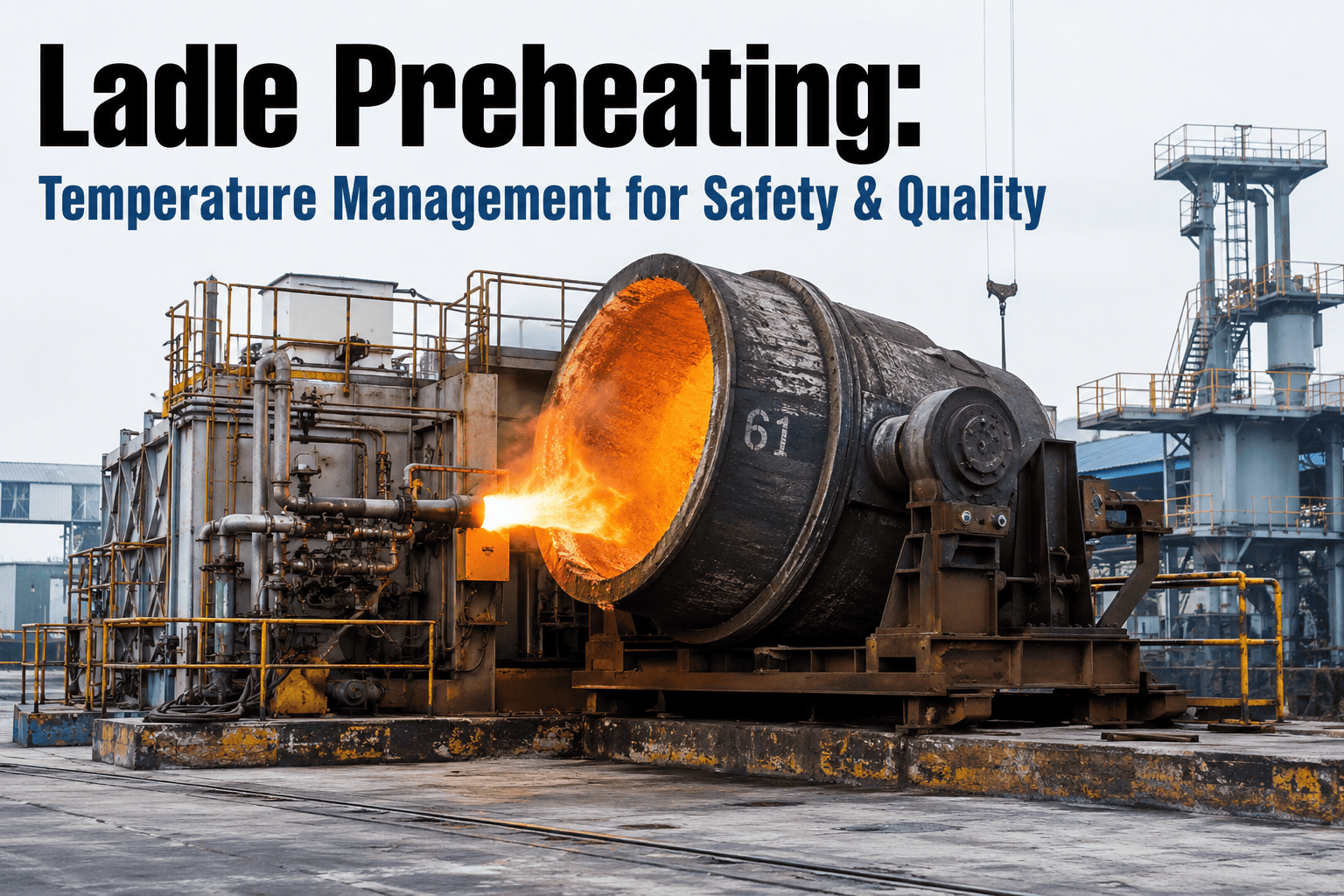
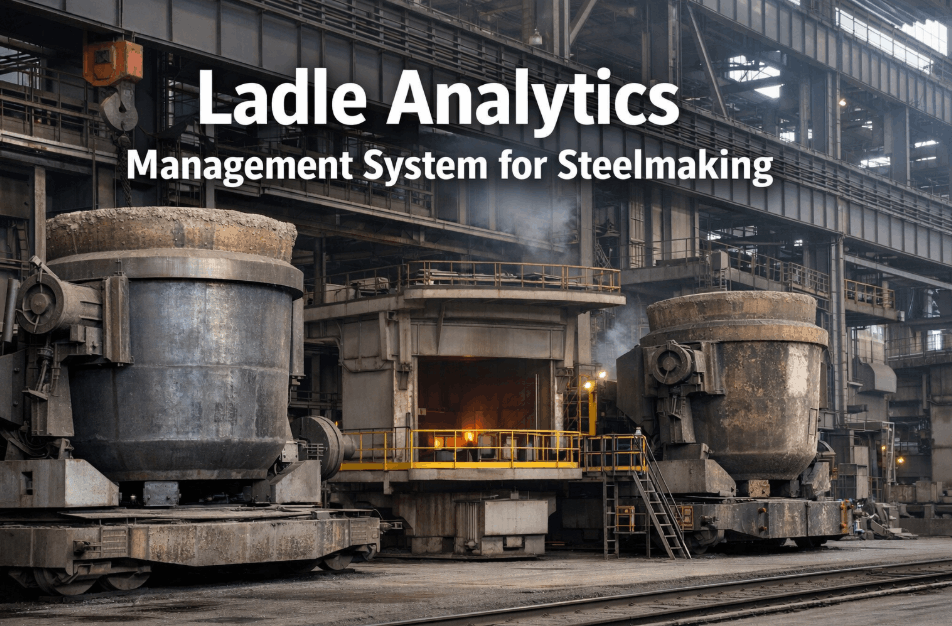
A ladle that goes into service too cold does not just risk a safety event, it also changes the steel it carries, since a lining that has not reached its target temperature pulls heat out of the melt faster than the process was designed to tolerate, and that heat loss shows up later as a temperature or chemistry deviation nobody traces back to the ladle itself. Preheating sits at an unusual intersection where a safety requirement and a quality requirement are actually the same underlying number: the lining has to be hot enough. Our team can walk through how to track that number reliably at ifactory support.
Ladle Preheat Management
A Cold Ladle Is a Safety Risk and a Quality Problem at the Same Time
AI-based preheat tracking monitors burner performance, thermal profile, and time-to-target for every ladle cycle, so a lining is verified ready before it goes into service, not assumed ready because the schedule says so.
One Number
Both safety and quality depend on the same lining temperature
Cycle by Cycle
The level preheat readiness actually needs to be verified at
Silent Loss
How an undertreated ladle affects the melt without an obvious signal
Why Preheat Temperature Is a Bigger Lever Than It Gets Credit For
Preheating a ladle serves two purposes that get discussed separately but are mechanically linked. The safety purpose is well understood: a lining brought up to temperature gradually avoids thermal shock and moisture-related spalling that could otherwise compromise refractory integrity during service. The quality purpose is less discussed but arguably more consequential day to day: a lining that has actually reached its target temperature before receiving hot metal absorbs far less heat from the melt than one still working its way up to temperature, and that difference directly affects the temperature and chemistry the steel arrives at downstream with.
When a ladle is put into service under time pressure before it has genuinely reached target temperature, the immediate consequence is rarely a visible incident. It is a slightly colder heat than expected, a chemistry adjustment that takes longer than usual, or a first-heat quality issue that gets attributed to something else entirely because nobody connected it back to the ladle's actual thermal state at the time it was charged.
The Preheat Cycle From Cold Lining to Ready State
Stage 1
Cold Start
A newly relined or long-idle ladle begins preheating from ambient or near-ambient lining temperature, requiring the slowest and most controlled ramp of the cycle.
Stage 2
Controlled Ramp
Burner output increases in stages to bring the lining up gradually, avoiding the thermal shock that a too-rapid rise would create in the refractory.
Stage 3
Hold at Target
Lining temperature is maintained at or near target for a defined soak period, allowing heat to distribute evenly through the refractory thickness.
Stage 4
Verified Ready
Thermal profile confirms the lining has genuinely reached target temperature throughout, not just at the surface nearest the burner.
Stage 5
Turnaround Between Heats
Between cycles, a ladle already in rotation needs a shorter reheat to recover temperature lost during tapping and transport, not a full cold start.
Burner Management Approaches Compared
How Ladle Preheat Burner Control Compares
Check Your Own Preheat Consistency
Find Out How Many of Your Ladles Actually Reach True Target Temperature
Bring your current preheat schedule and burner logs to the call. We will walk through how thermal profile tracking would apply to your ladle rotation.
Preheat Consistency Across a Typical Ladle Fleet
Ladles Reaching Verified Target Before Service
Confirmed by full thermal profile, not a single surface reading
Turnaround Cycles Correctly Time-Adjusted
Shorter reheat cycles matched to actual residual lining temperature
Burner Faults Caught Before Affecting a Heat
Underperforming burners flagged from output trend, not discovered after a cold ladle is charged
Why Turnaround Cycles Are Where Preheat Programs Usually Break Down
A cold start from a freshly relined ladle tends to get the most attention, since the risk of thermal shock on new refractory is well understood and closely watched. The bigger source of inconsistency is usually the turnaround cycle, the shorter reheat a ladle goes through between consecutive heats while already in active rotation. Because the lining is not starting from ambient temperature, it is easy to assume a shorter, standard reheat time is always sufficient, when the actual residual temperature depends heavily on how long the ladle sat idle, how much heat it lost during tapping and transport, and ambient conditions on that particular day.
Treating every turnaround cycle as identical, rather than adjusting reheat time and burner output to the ladle's actual starting condition, is one of the more common ways a lining ends up going back into service under target temperature without anyone noticing at the time. The gap only becomes visible downstream, in a heat that arrives colder than expected or a chemistry correction that takes longer than it should have.
Where Recovered Efficiency Comes From
Reduced Fuel Consumption
Burners run only as long and as hard as the actual thermal profile requires, rather than a conservative fixed schedule that overheats to be safe.
Fewer First-Heat Deviations
Steel entering a properly preheated ladle loses less heat unexpectedly, reducing temperature and chemistry corrections downstream.
Longer Refractory Life
Controlled, consistent thermal cycling reduces the thermal shock stress that accelerates lining wear over a campaign.
Faster Fault Detection
A burner drifting in output shows up as a trend in time-to-target well before it causes a ladle to be charged under temperature.
Four Mistakes in Ladle Preheat Management
Using One Fixed Schedule for Every Ladle
A single time-based schedule ignores real differences in starting temperature between a cold start and a turnaround cycle.
Trusting a Single Surface Reading
One thermocouple point can show target temperature while other areas of the lining remain undertreated.
Treating Turnaround Cycles as Always Sufficient
Assuming a standard shorter reheat always works ignores variation in residual lining temperature between cycles.
Not Linking Preheat Data to Downstream Quality
Quality deviations traced only to melt shop conditions miss ladle preheat state as a contributing factor.
Who Should Be Watching Preheat Data
Preheat performance touches both operational and quality teams, and the two groups typically need different views of the same underlying data.
Ladle Yard Operator
Executes the preheat cycle and responds to real-time burner and thermal profile alerts before a ladle is dispatched.
Melt Shop Quality Lead
Reviews preheat state alongside heat-level temperature and chemistry data to identify patterns tied to ladle readiness.
Refractory Engineer
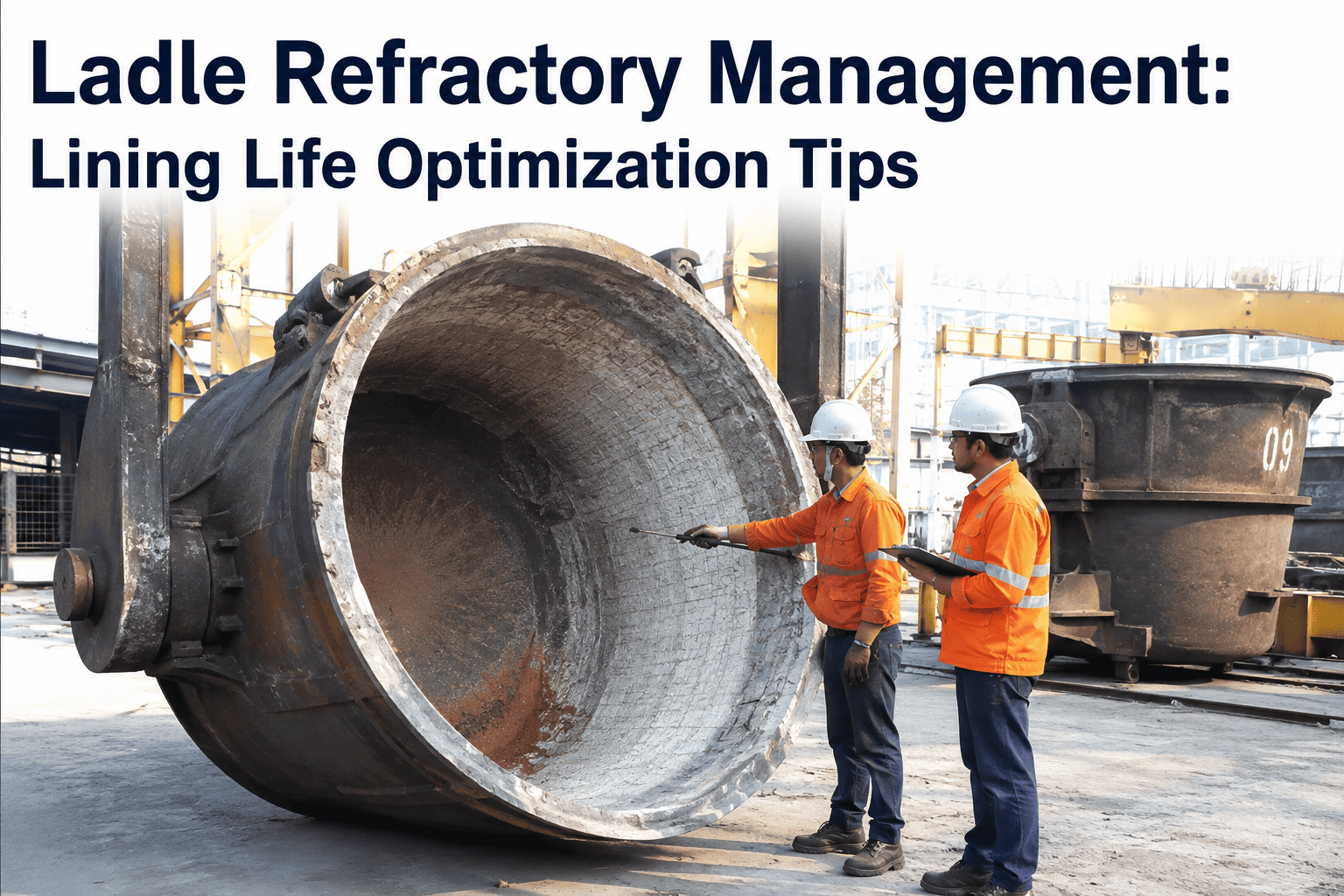
Uses thermal cycling data to assess whether preheat practice is contributing to premature lining wear on specific ladles.
Energy Management
Tracks fuel consumption trends across the preheat station to identify efficiency opportunities without compromising readiness.
Frequently Asked Questions
How does an undertreated ladle actually affect steel quality downstream?
A lining that has not fully reached target temperature absorbs more heat from the molten steel than a properly preheated one, which can cause the melt to arrive at the next process step colder than expected. This often shows up as a temperature correction or a longer-than-usual chemistry adjustment, and because the connection back to ladle preheat state is not always obvious, the root cause frequently goes unidentified.
Talk to our team about connecting preheat data to your quality tracking.
Why can't a single thermocouple confirm a ladle is fully preheated?
A single measurement point reflects only the lining condition at that specific location, and heat distribution through refractory is not always uniform, particularly in areas farther from the burner or in a lining with uneven wear. A full thermal profile across multiple points gives a much more reliable picture of whether the lining has genuinely reached target throughout, not just at the sensor location.
How much shorter should a turnaround preheat be compared to a cold start?
There is no single correct answer, since it depends on how much residual heat the lining retained from its previous cycle, which is influenced by idle time, transport duration, and ambient conditions on that day. Rather than applying a fixed shorter duration to every turnaround, matching burner time to the ladle's actual measured starting temperature is what prevents both wasted fuel and undertreated linings.
Book a scoping call to see how this would apply to your ladle rotation.
Can better preheat management actually reduce fuel costs, not just improve safety?
Yes, since many fixed preheat schedules are set conservatively to guarantee readiness under worst-case conditions, which means burners often run longer than necessary on ladles that started from a warmer residual temperature. Adjusting burner time to actual measured condition rather than a blanket schedule typically reduces unnecessary fuel use while still confirming the lining is genuinely ready.
What is the first sign that a preheat burner is starting to underperform?
The earliest indicator is usually a gradual increase in the time required to reach target temperature under otherwise similar starting conditions, appearing as a trend well before the burner produces an obvious fault or alarm. Tracking time-to-target across cycles, rather than only monitoring whether a burner is on or off, is what catches this drift early.
Reach out to our team to discuss setting up this kind of trend tracking.
Stop Assuming a Ladle Is Ready.
Get Verified Preheat Readiness Across Your Ladle Fleet
Bring your current preheat schedule and burner data to the call. We will walk through how continuous thermal profile tracking would apply to your operation.