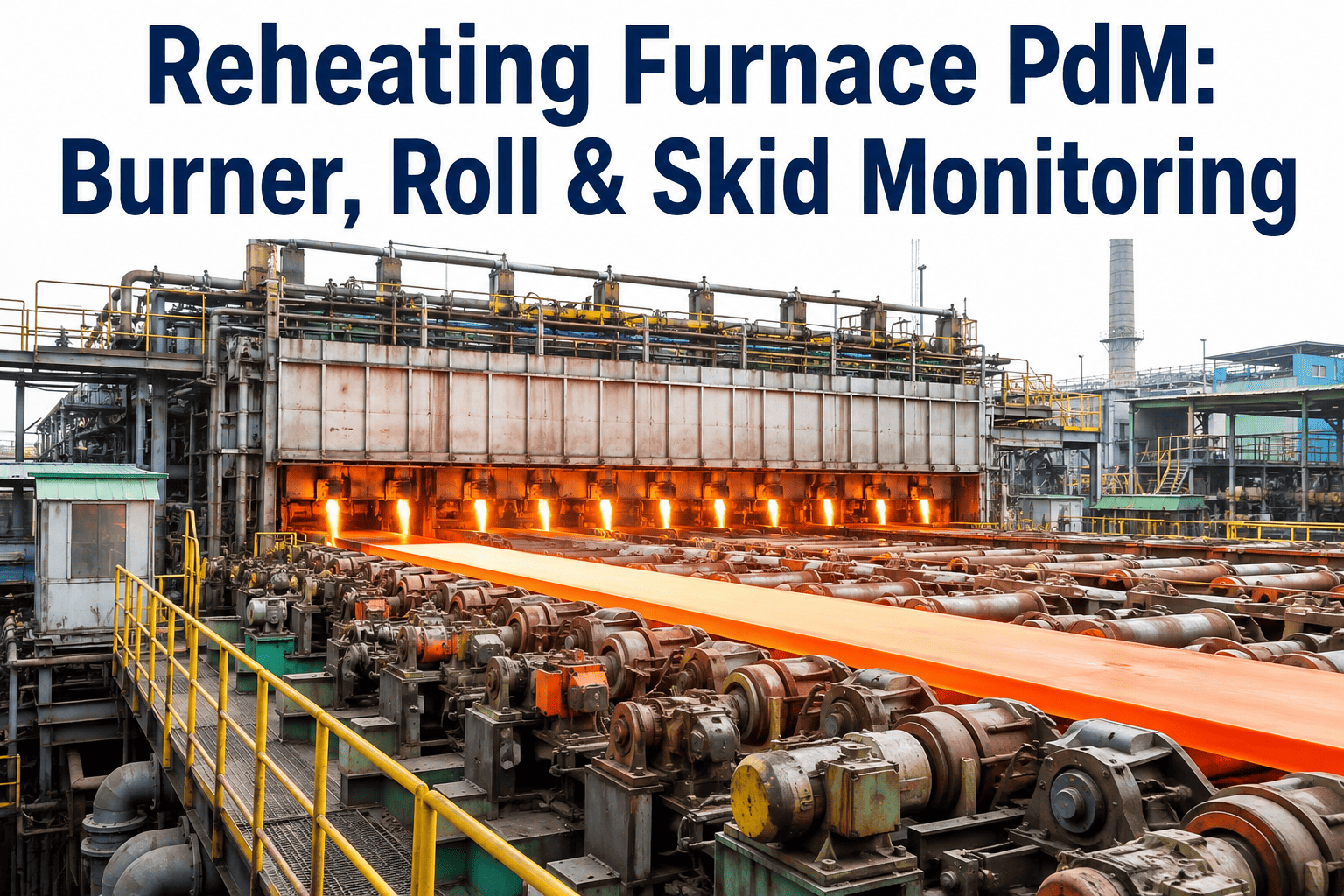
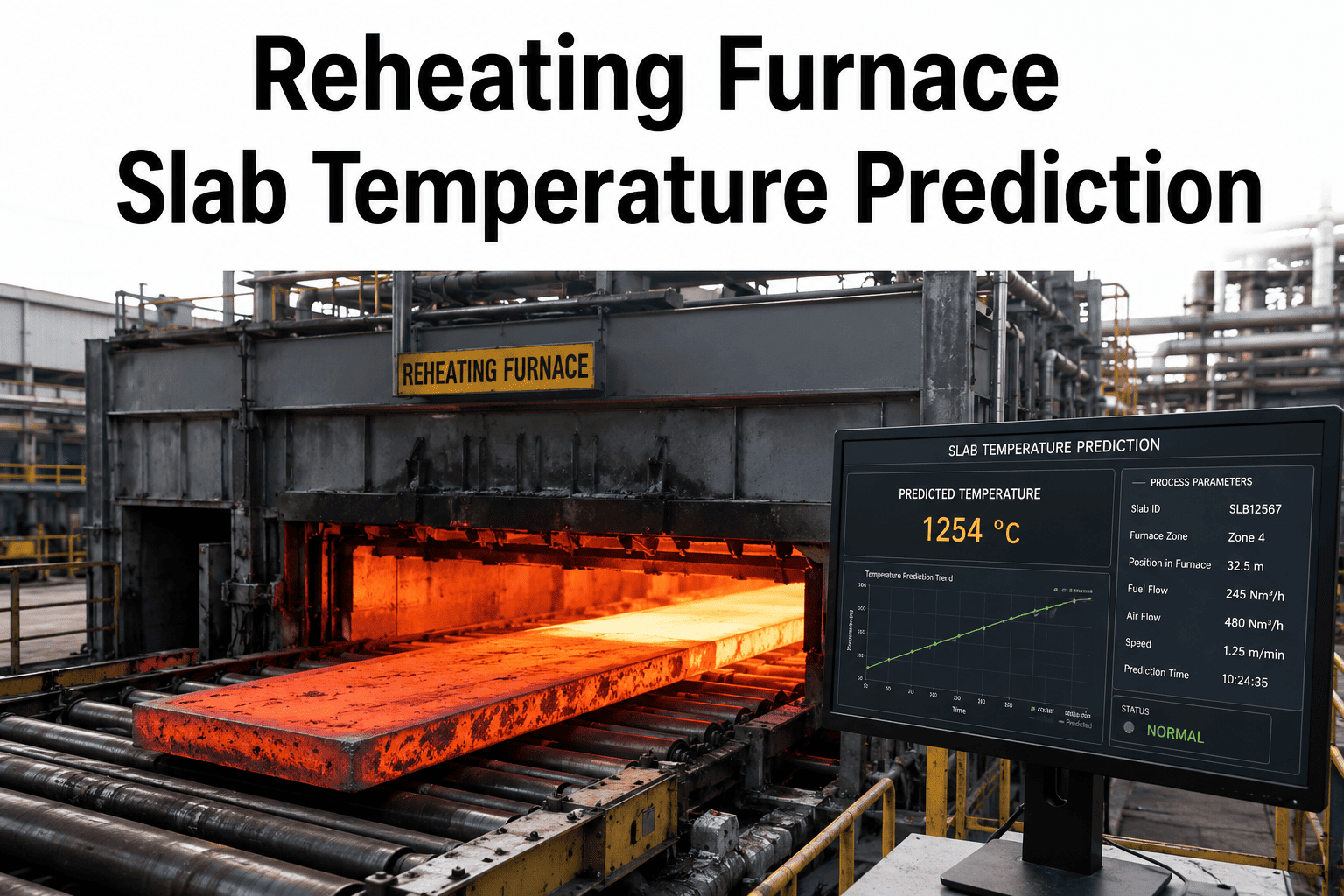
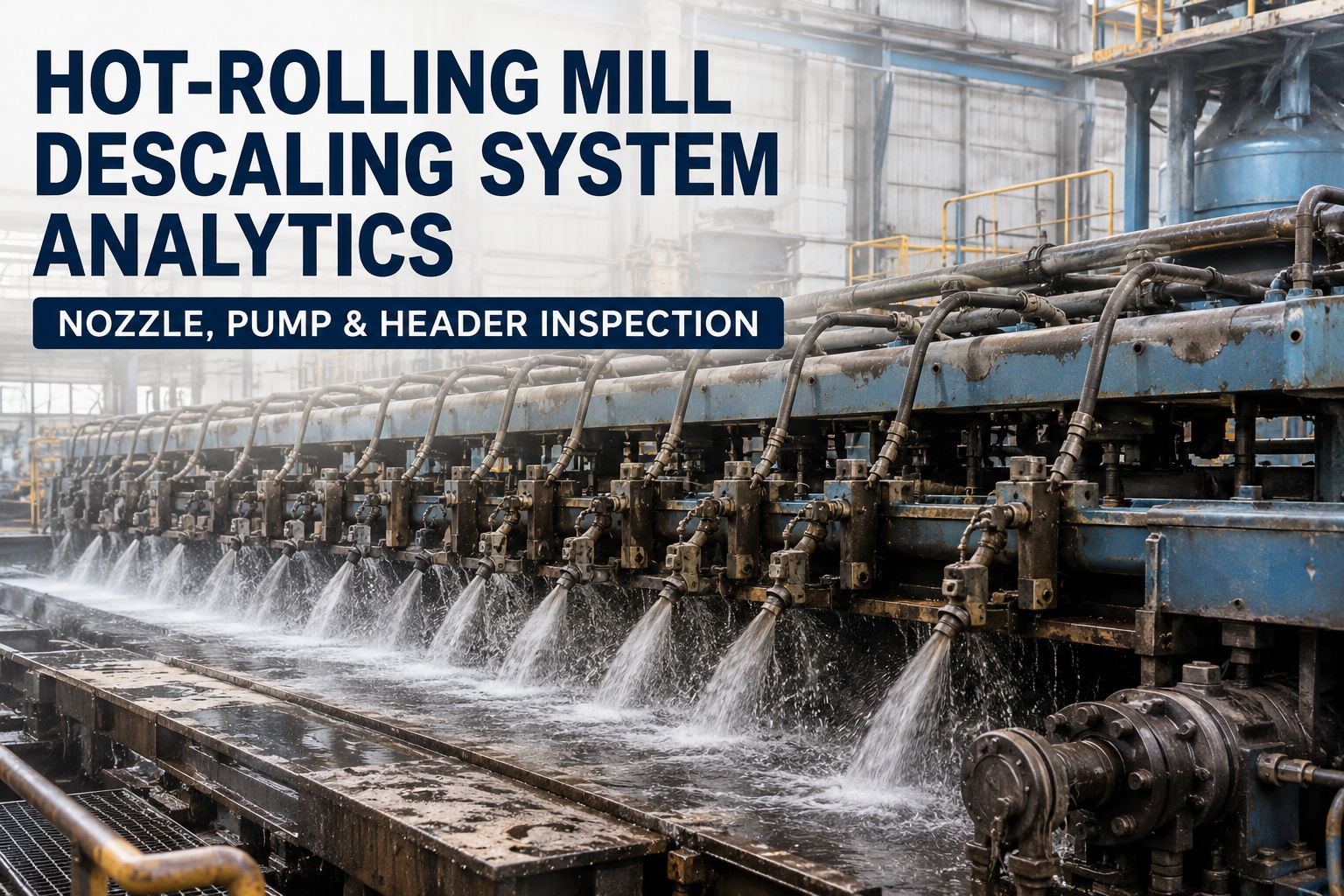
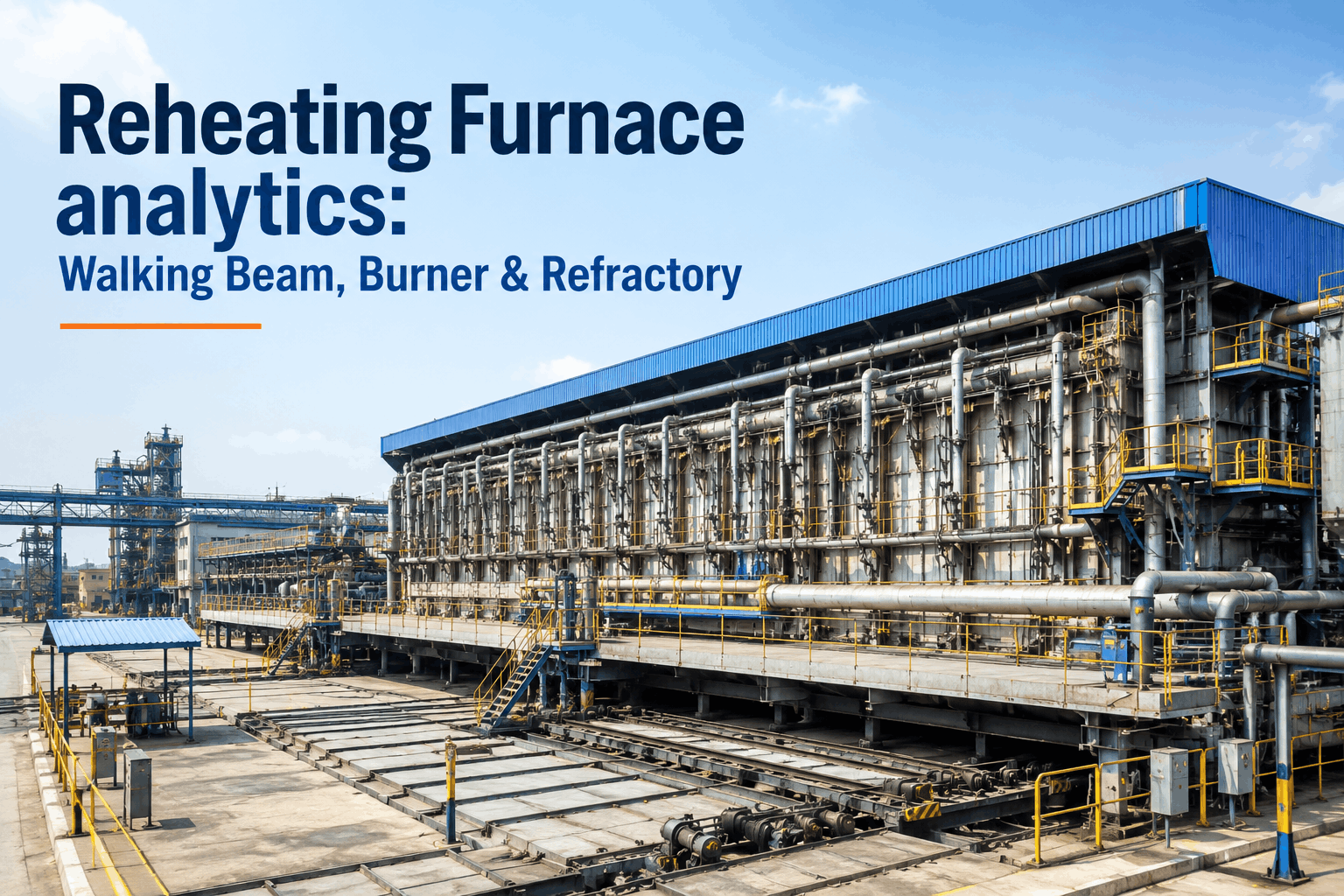
In the energy-intensive landscape of hot rolling, the Reheat Furnace is the primary driver of both production cost and metallurgical quality. What was once managed as a "black box" of combustion is now being redefined by Reheat Furnace Analytics—a high-fidelity data layer that synchronizes burner efficiency, walking beam kinematics, and refractory health. As global steel producers face escalating energy costs and tightening carbon mandates, the ability to optimize the Air-Fuel Ratio and minimize Slab Scale Loss through AI-driven combustion control is no longer a luxury; it is a structural necessity for mill profitability. If your furnace thermal profiles still rely on manual setpoints Schedule a Strategy Audit to see how iFactory converts raw thermal data into enterprise-grade energy savings.
Transform Your Furnace Into an Energy-Efficient Powerhouse
iFactory's Reheat Furnace Analytics platform unifies combustion data, walking beam health, and refractory integrity into a single predictive control layer — reducing fuel consumption by up to 15%.
The Strategic Mandate: Why Legacy Furnace Control is the Mill's Greatest Inefficiency
In most hot rolling mills, the reheat furnace is treated as a secondary utility, yet it accounts for over 70% of the mill's direct energy footprint. Legacy Level-2 systems, while functional, operate on deterministic models that cannot adapt to real-time fuel calorific fluctuations or variable charging temperatures. This "Data Lag" results in a massive energy dump—where excess fuel is burned to compensate for uncertainty, leading to localized overheating and structural damage to the slabs. Moving from reactive setpoints to iFactory's AI-Driven Thermal Autonomy converts the furnace into a strategic asset that preserves both energy and metallurgical integrity.
Beyond simple fuel savings, the "pitch" for furnace digitalization is centered on Operational Resilience. A single walking beam failure or a furnace pile-up doesn't just halt production; it creates a cascade of thermal stresses that can damage the refractory lining and warp the beam structure itself. iFactory's platform provides the "Early Warning" layer that identifies these mechanical anomalies hours before they manifest as a line stoppage. Schedule a high-level briefing to see how we de-risk your furnace operations.
Why Reheat Furnace Analytics is the Core of Rolling Mill Efficiency
The reheat furnace is the most significant consumer of natural gas or coke oven gas in the entire rolling mill. Traditional Combustion Control Systems operate on static curves that fail to account for the dynamic thermal properties of different steel grades or the varying moisture content in the fuel. This results in "Over-Heating," which leads to excessive Slab Scaling and decarburization, or "Under-Heating," which causes roll breakage in the first roughing stand. Analytics bridges this gap by creating a real-time Digital Twin of the furnace's internal thermal environment.
Modern Walking Beam Furnaces introduce additional mechanical complexity. The synchronization of the lifting and traversing cylinders must be flawless to prevent slab surface damage or "Slab Skewing" inside the furnace. By integrating Hydraulic Pressure Analytics with position feedback, iFactory identifies the early signatures of cylinder bypass or valve sticking, preventing the catastrophic "Furnace Pile-up" that can shut down a mill for days. Book a Demo to see how we track walking beam kinematics live.
The Five Pillars of a Strategic Reheat Furnace Analytics Platform
Optimizing a reheat furnace requires a multi-disciplinary approach that spans combustion physics, mechanical engineering, and refractory science. iFactory's platform is built on five foundational pillars designed to maximize both uptime and thermal efficiency.
Intelligent Combustion & Burner Management
A strategic analytics layer ingests real-time data from O2 and CO Analyzers to dynamically adjust the air-fuel ratio. AI models identify "Lazy Flames" or burner tip clogging by correlating fuel flow with zone temperature response, ensuring 100% combustion efficiency across all heating zones.
Predictive Refractory Inspection
Refractory maintenance is often based on visual inspection during shutdowns. Our platform uses External Shell Thermal Imaging and internal thermocouple arrays to track heat loss and predict "Hot Spots" or lining thinning weeks before they become structural risks, allowing for targeted patch repairs rather than full relines.
Walking Beam Kinematic Monitoring
Continuous tracking of the walking beam's hydraulic and mechanical drive systems. By analyzing vibration and pressure signatures, the system detects bearing wear or hydraulic leakage that leads to "Jerky Movements," protecting the slabs from surface marks and the furnace floor from abrasion.
Skid Pipe & Water Cooling Heat Flux
The Skid Pipe System is critical for supporting the slabs but is also a major source of heat loss ("Skid Marks"). Analytics monitor the water temperature delta and flow rates to calculate real-time heat flux, identifying insulation (buttons) failure and optimizing cooling water consumption.
Dynamic Slab Heating Genealogy
Every slab is assigned a "Digital Thermal Record" from entry to exit. The platform tracks the slab's Residence Time in each zone and its final surface-to-core temperature profile. This data is critical for fine-tuning the Roughing Mill Descaling pressure to ensure 100% scale removal.
The ESG & Decarbonization Mandate: Cleaning the Heating Zone
The global steel industry is under unprecedented pressure to reduce carbon intensity. For many mills, the reheat furnace represents the largest point-source of Scope 1 emissions. iFactory's Decarbonization Analytics provide a granular view of carbon emissions per ton of steel rolled, identifying the specific production phases where carbon efficiency drops. By optimizing the air-fuel stoichiometry and reducing "Idle Burn Time" during mill delays, our platform enables mills to meet green-steel certification standards without requiring a total furnace rebuild.
This isn't just about compliance; it's about market access. Increasingly, automotive and appliance manufacturers are requiring "Carbon-Intensity Certificates" for every slab delivered. iFactory automates this certification by linking every slab's heating record to its real-time carbon footprint. Book a Demo to see our Carbon Compliance dashboard in action.
Combustion Optimization: The Data Flow That Drives Decarbonization
The most significant impact of Reheat Furnace Analytics is in the reduction of Scope 1 emissions. By reducing fuel consumption through better air-fuel synchronization, a single furnace can eliminate 5,000+ tons of CO2 annually. Traditional PLC-based systems lack the predictive capacity to handle "Cold Slab Charging" or sudden mill delays, often leading to excessive fuel waste as the furnace "idles" at high temperatures.
iFactory's AI-driven Combustion Optimization layer predicts mill delays by monitoring the roughing and finishing stand status. It automatically triggers "Furnace Slow-Down" modes, lowering zone temperatures to a maintenance level until the mill is ready to receive product again. This "Mill-to-Furnace" synchronization is the primary lever for achieving top-quartile energy intensity scores. Book a Demo and walk through our energy optimization dashboard.
Metallurgical Integrity: Controlling Decarburization and Scale
For high-carbon and alloy steel producers, the furnace atmosphere is a metallurgical variable as critical as the rolling temperature. Excessive oxygen in the soak zone doesn't just create scale; it leads to Decarburization—the loss of surface carbon—which can render a coil unsuitable for automotive spring or high-tensile applications. iFactory's analytics monitor the furnace atmosphere in real-time, maintaining a "protective" thermal envelope that preserves the slab's chemistry from entry to exit.
By correlating furnace data with downstream descaling performance, the platform identifies the exact heating profile that minimizes "Sticky Scale" (scale that remains after descaling), which is the primary cause of surface pits and quality downgrades. This end-to-end visibility ensures that energy savings never come at the expense of surface excellence.
Furnace Performance Metrics: Where the Digital Twin Generates ROI
The ROI of Reheat Furnace Analytics is grounded in the elimination of thermal waste and the extension of asset life. In facilities still operating on "Rule of Thumb" furnace settings, the hidden costs of inefficiency are staggering. Schedule an audit to calculate your specific energy recovery potential.
Fuel Cost Reduction via O2 Trim Control
AI-driven O2 trimming maintains the ideal combustion stoichiometry across all firing rates. This eliminates the "Energy Dump" of heating excess air, typically saving $450,000 annually in fuel costs for a 250 TPH furnace.
Slab Scale Loss Mitigation
Scale formation is a direct function of furnace atmosphere and time-at-temperature. Analytics optimize the heating profile to minimize O2 exposure in the soak zone, reducing primary scale by 0.2-0.5%—translating to thousands of tons of "found" steel per year.
Predictive Refractory Relining
By identifying localized thinning in the hearth or roof through thermal trend analysis, maintenance teams can perform "Gunite" repairs during scheduled stops, extending the interval between multi-million dollar full relines by 2-3 years.
Walking Beam Pile-up Prevention
Early detection of beam misalignment or hydraulic valve failure prevents slabs from "climbing" or falling into the scale pit. Eliminating a single pile-up event can save $1.2M in downtime and structural repair costs.
AI Combustion Control vs. Legacy Systems: A Direct Comparison
The distinction between AI-powered furnace analytics and traditional level-1/level-2 systems is the difference between "Monitoring" and "Optimizing." The table below outlines the strategic impact of this shift.
| Capability | Legacy Level-2 System | iFactory AI Platform | Operational Impact |
|---|---|---|---|
| Air-Fuel Ratio | Static curves with manual O2 trim | Dynamic AI-driven stoichiometry | Zero fuel waste during speed changes |
| Delay Management | Manual burner turndown | Predictive "Mill-Sync" turndown | 12% reduction in idle fuel consumption |
| Slab Tracking | Position-only tracking | Thermal & Metallurgical genealogy | Elimination of "Under-Heated" slabs |
| Refractory Health | Visual inspection during stops | Continuous Shell Heat Mapping | 25% extension in relining cycles |
| Scale Control | Standard heating curves | Atmosphere-Optimized heating | Measurable increase in hot-metal yield |
Customer Testimonial: Furnace Efficiency Reimagined
"Before iFactory, our reheat furnace was the single biggest variable in our production cost. We were flying blind on fuel efficiency and refractory health. Now, our GCal/Ton is at a record low, and for the first time, we can see exactly when our walking beam needs maintenance before a failure occurs. It's transformed our mill's bottom line."
Frequently Asked Questions: Reheat Furnace Analytics
What is the primary cause of fuel waste in reheat furnaces?
The primary cause is improper Air-Fuel Ratio management (excess air) and the lack of synchronization with mill delays. When a mill stops, if the furnace doesn't turn down burners predictively, thousands of dollars in gas are literally vented as waste heat. iFactory's "Mill-Sync" feature eliminates this waste.
How does AI identify burner tip clogging without a camera?
The system correlates the fuel flow rate (from the flow meter) with the temperature response of the specific zone thermocouples. If a zone requires significantly more gas to maintain temperature than historical norms, it's a signature of burner inefficiency or tip clogging.
Can analytics prevent slab "Skid Marks"?
While skid marks (localized cold spots) are inherent to water-cooled supports, analytics monitor the heat flux through the skid pipes. If "buttons" or insulation fail, the cold spots become more pronounced. Early detection allows for insulation repair before quality suffers in the finishing mill.
What is "Slab Scale Loss" and how does the platform reduce it?
Scale is oxidized steel that flakes off the slab. It's caused by high temperature and excess oxygen. iFactory's combustion AI maintains the soak zone at a "near-neutral" atmosphere, which significantly slows down the oxidation rate, preserving tons of steel.
How does the platform track refractory health?
We use a combination of "Shell Thermal Fingerprinting" (using IR sensors or thermocouples) and thermal modeling. By identifying where the furnace shell is getting hotter than the baseline, we can pinpoint lining erosion or spalling with high precision.
How long does it take to implement a Reheat Furnace Digital Twin?
A standard deployment takes 12–18 weeks. This includes the installation of any required edge sensors, integration with the Level-2 combustion computer, and the training of the specific slab heating models for your product mix.
Does iFactory require a mill shutdown for installation?
No. Most of the integration is data-based (PLC/Level-2). External shell sensors and thermal cameras can be installed while the furnace is at operating temperature, ensuring zero production impact during the setup phase.
Build the Energy-Efficient Reheat Furnace Your Mill Strategy Requires
iFactory's Reheat Furnace Analytics platform transforms thermal data, burner performance, and mechanical health into a unified energy control tower — giving Mill Managers the real-time visibility and predictive intelligence to lead operations with precision.