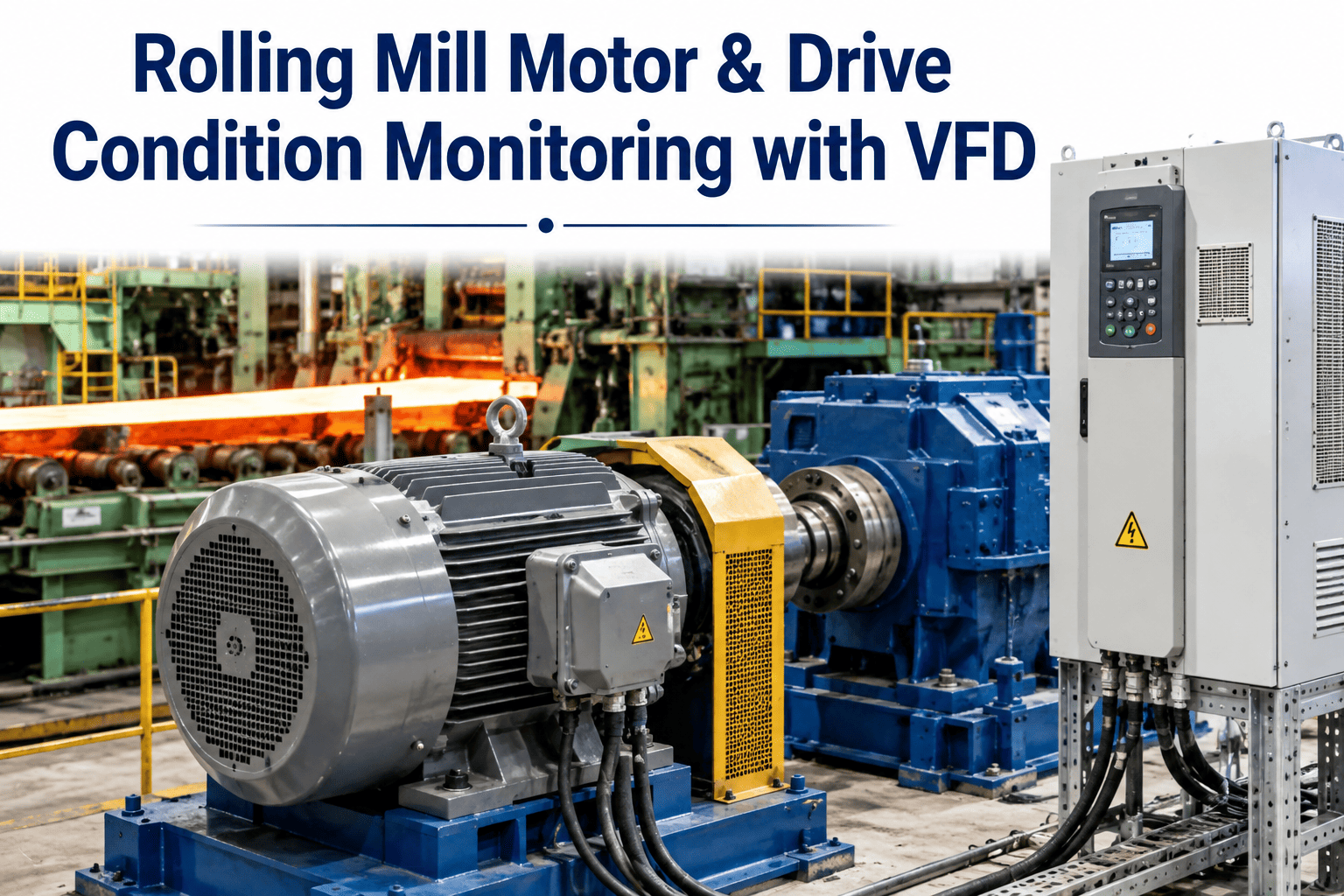
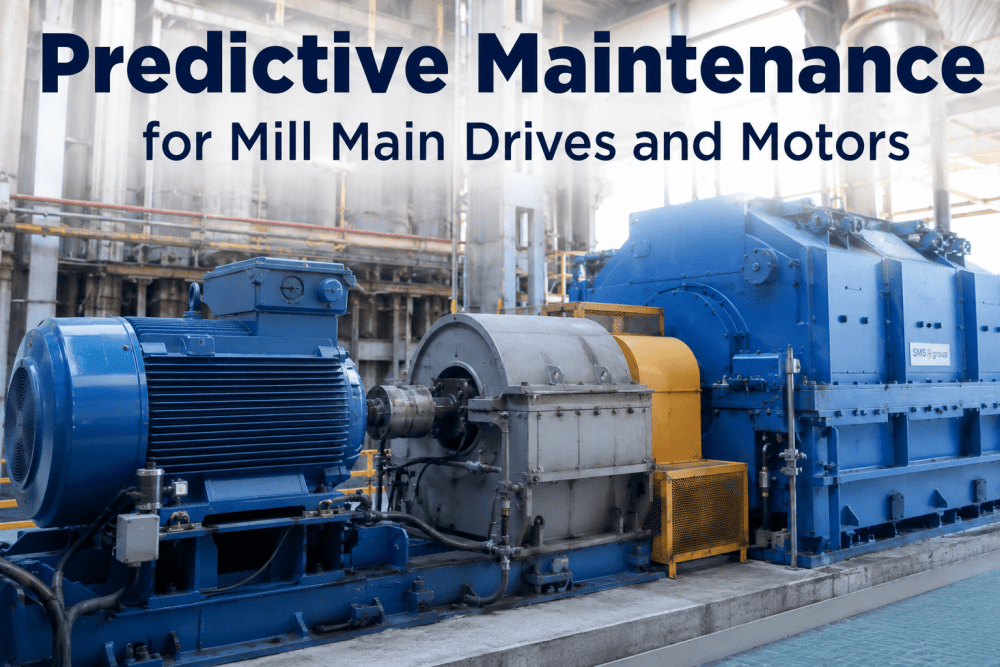
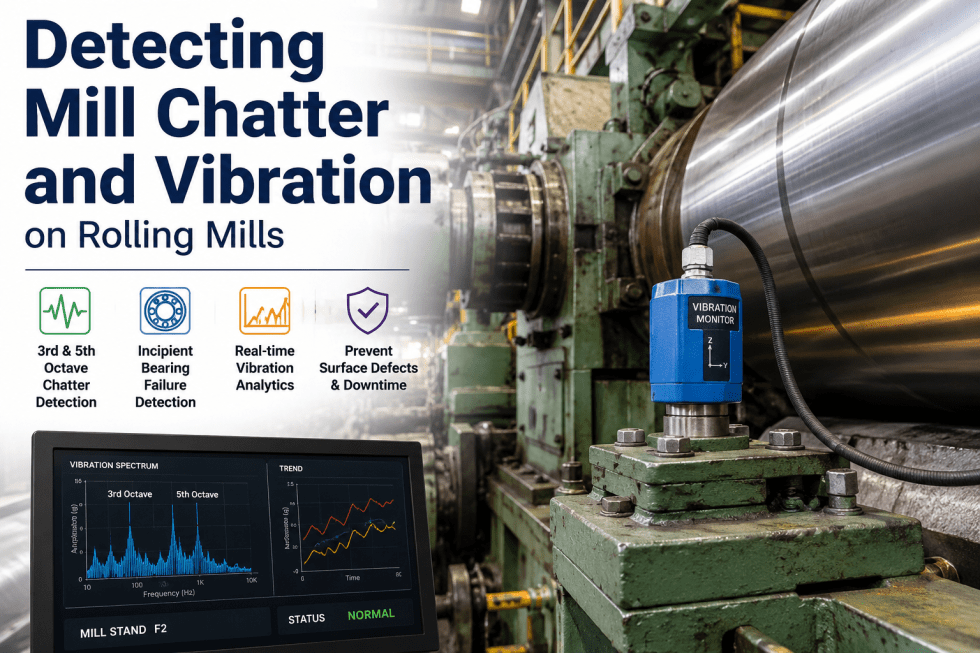
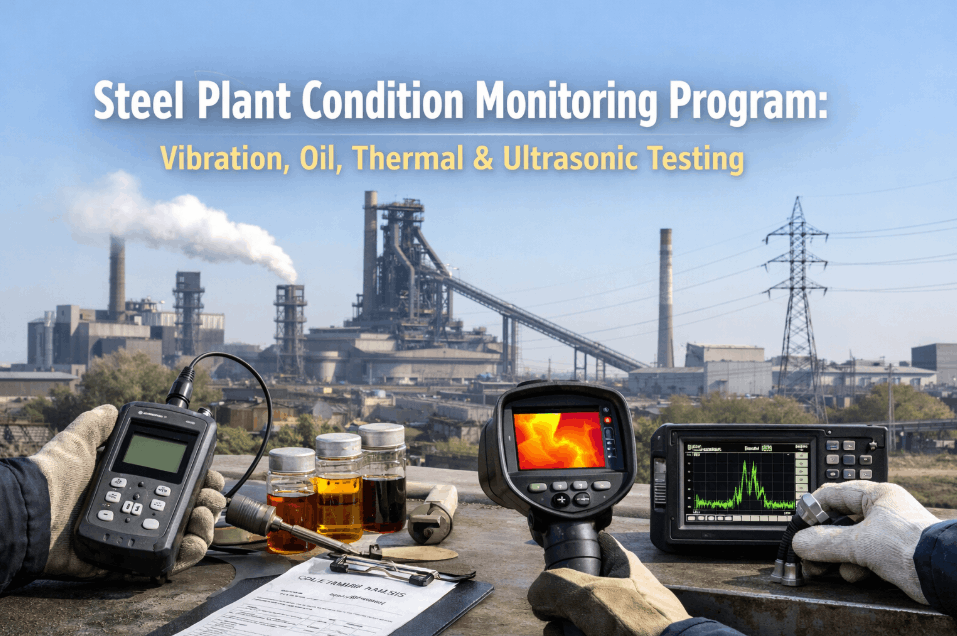
A tripped main motor on a rolling mill does not give much warning. Current spikes, insulation resistance drifts, and drive train vibration build for weeks before a VFD fault finally halts the stand and the entire line behind it. Mills that rely on scheduled inspections alone are almost always reacting to a failure that had been announcing itself for days, which is why more rolling mill operators are shifting to continuous motor and drive condition monitoring instead of waiting for the next planned check. The shift starts with connecting mill floor sensor data to a platform built for it, and iFactory's manufacturing intelligence platform is designed for exactly that transition.
ROLLING MILL · MOTOR & DRIVE MONITORING
Rolling Mill Motor and Drive Condition Monitoring With VFD Health Tracking
Main motor current signatures, VFD fault codes, and drive train vibration combined into one predictive maintenance view, so a developing fault becomes a scheduled repair instead of an unplanned stoppage.
Why It Matters
The Cost of Reactive Drive Maintenance
38%
of unplanned rolling mill downtime traces back to motor or drive system faults rather than mechanical roll failures
6-10 days
average early-warning window between the first abnormal current signature and an actual drive trip
2-4x
higher repair cost when a VFD fault is addressed after failure versus during a scheduled window
92%
of insulation-related motor failures show detectable resistance drift weeks before the actual fault event
The Timeline
How a Drive Fault Actually Develops
Main motor failures on a rolling mill rarely happen without warning signs. The pattern below reflects what condition monitoring data consistently shows across mill drive systems before an actual trip event occurs.
1
Baseline Current Signature Established
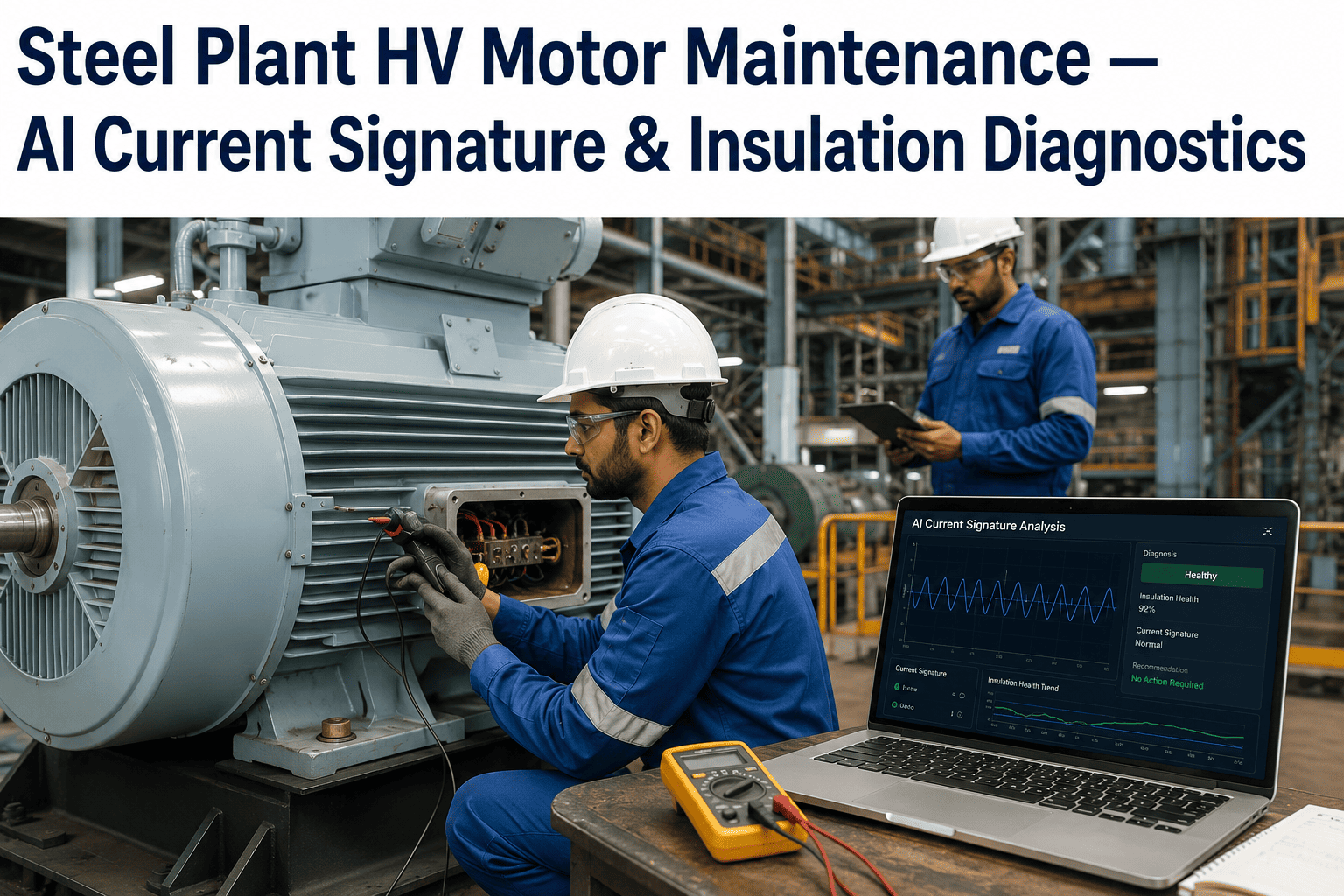
Normal operating current draw, harmonic distortion, and power factor are recorded across load cycles to build the reference signature for the specific motor and rolling schedule.
2
Small Deviations Appear
Current imbalance between phases, minor insulation resistance drift, or a slight rise in drive temperature begin appearing intermittently, usually still within normal operating tolerance bands.
3
Pattern Becomes Consistent
The deviation repeats across multiple rolling cycles rather than appearing as a one-off event, which is the point where a condition monitoring system should flag the asset for review.
4
Vibration and Thermal Signals Join In
Drive train vibration at the bearing frequency and localized heating at the VFD terminals begin to appear alongside the electrical signature, confirming a genuine mechanical or electrical fault path.
5
Fault Trip Without Monitoring
Without a condition monitoring layer connecting these signals, the first hard indication of a problem is often the fault code itself, arriving as an unplanned stoppage mid-schedule.
Catch Drive Faults During the Deviation Stage, Not the Trip Stage
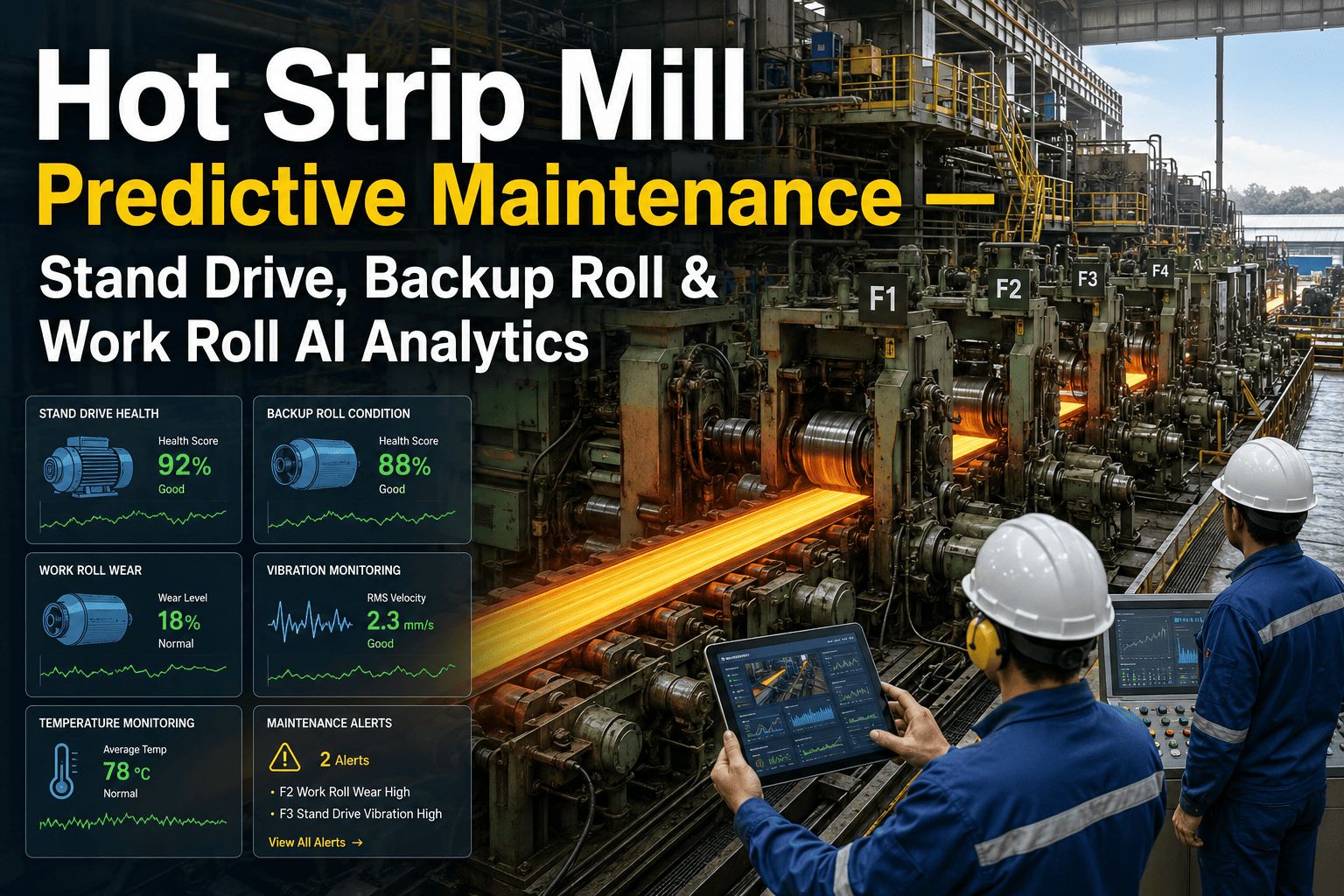
iFactory correlates motor current, VFD fault logs, and drive train vibration into a single asset health score so maintenance teams get a scheduled work order instead of a shutdown.
What Gets Monitored
Core Parameters for Mill Drive Condition Monitoring
Motor and Drive Monitoring Parameters
Where This Pays Off
Applications Across the Mill Drive Train
Main Drive Motors
Continuous current and vibration tracking on the primary stand motors, where an unplanned failure stops the entire line rather than a single station.
Auxiliary and Coiler Drives
Condition data on coiler and auxiliary motors that are easy to deprioritize during manual rounds but still cause finishing line delays when they fail.
VFD Cabinet Health
Cabinet temperature and fault log trends that flag cooling fan degradation before an IGBT module overheats mid-shift.
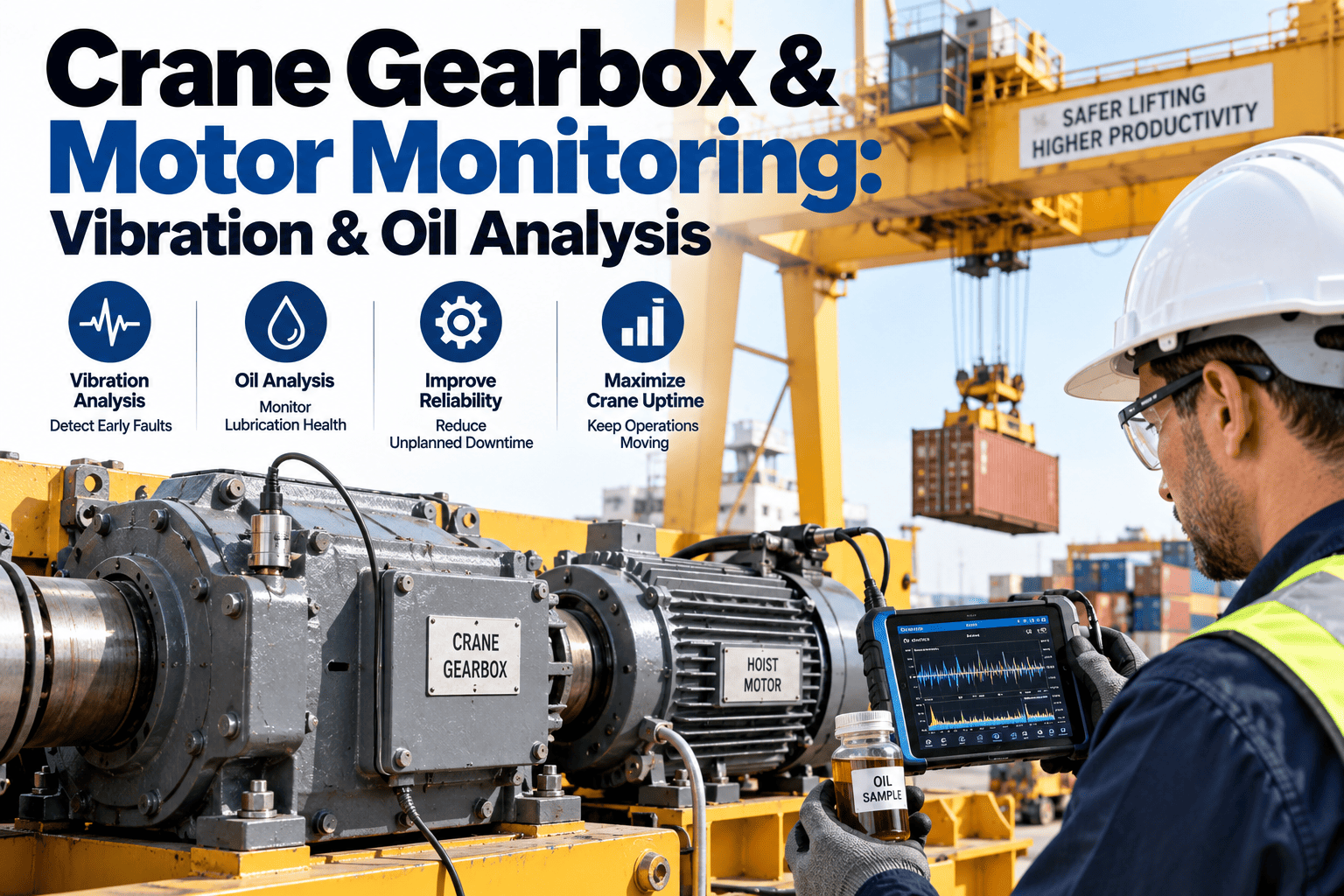
Gearbox and Coupling Monitoring
Vibration signatures from the mechanical drive train that catch coupling misalignment introduced during the last maintenance window.
Getting Started
Rolling Out Drive Condition Monitoring in Four Steps
Step 1
Prioritize the Drives That Stop the Line
Start with main stand motors and any single point of failure drive rather than trying to instrument every motor in the plant on day one.
Step 2
Establish Baseline Signatures
Collect two to three weeks of normal operating data across different rolling schedules so alert thresholds reflect real variation, not a single snapshot.
Step 3
Set Thresholds With the Maintenance Team
Alert levels should be defined by the electricians and mechanics who respond to them, not left at generic factory defaults that overwhelm the team with noise.
Step 4
Connect Alerts to Work Orders
Route every confirmed anomaly directly into the maintenance work order queue so findings become scheduled repairs instead of items sitting in a dashboard nobody checks.
Frequently Asked Questions
Motor and Drive Monitoring — Common Questions
How is drive condition monitoring different from the alarms already built into a VFD?
Built-in VFD alarms typically trigger only once a hard threshold is crossed, such as an overcurrent trip. Condition monitoring tracks the gradual trend leading up to that point, comparing current signatures, insulation readings, and vibration against a historical baseline so a developing issue is visible weeks earlier than a single trip event would ever show.
Do we need new sensors on every motor to start this kind of monitoring?
Many mills already have current transducers, VFD fault logs, and temperature sensors in place that go unused for trend analysis. The first phase of a rollout usually connects existing data sources before any new hardware is considered, which keeps initial cost and complexity low while proving the value of the approach.
Which mill drives should be monitored first if we can only start with a few?
Main stand motors and any auxiliary drive that would halt the full line if it failed should always come first, followed by coilers and finishing line drives. Ranking by downtime impact rather than by ease of access produces the strongest early results and the clearest case for expanding coverage.
How does this data get turned into an actual maintenance task?
Once an anomaly crosses an agreed threshold,
iFactory's platform generates a prioritized work order automatically, including the specific parameter that triggered it, the trend history, and the affected asset, so the maintenance team receives a ready-to-act item rather than a raw data alert.
Can this approach reduce the number of planned maintenance shutdowns as well?
Yes. Once asset condition is visible continuously, maintenance can shift from fixed-interval servicing to condition-based servicing, meaning a motor with a clean signature can safely run past its scheduled interval while one showing early deviation gets prioritized sooner, reducing both unnecessary downtime and unexpected failures.
MOTOR & DRIVE MONITORING · PREDICTIVE MAINTENANCE
Give Your Mill Drives an Early Warning System
See how iFactory turns motor current, VFD logs, and vibration data into work orders your maintenance team can act on before the next trip event.