Slab, Billet & Bloom Quality — AI Surface & Internal Defect Prevention During Casting

By James Smith on July 29, 2026

slab-billet-bloom-quality-surface-internal-defect-ai

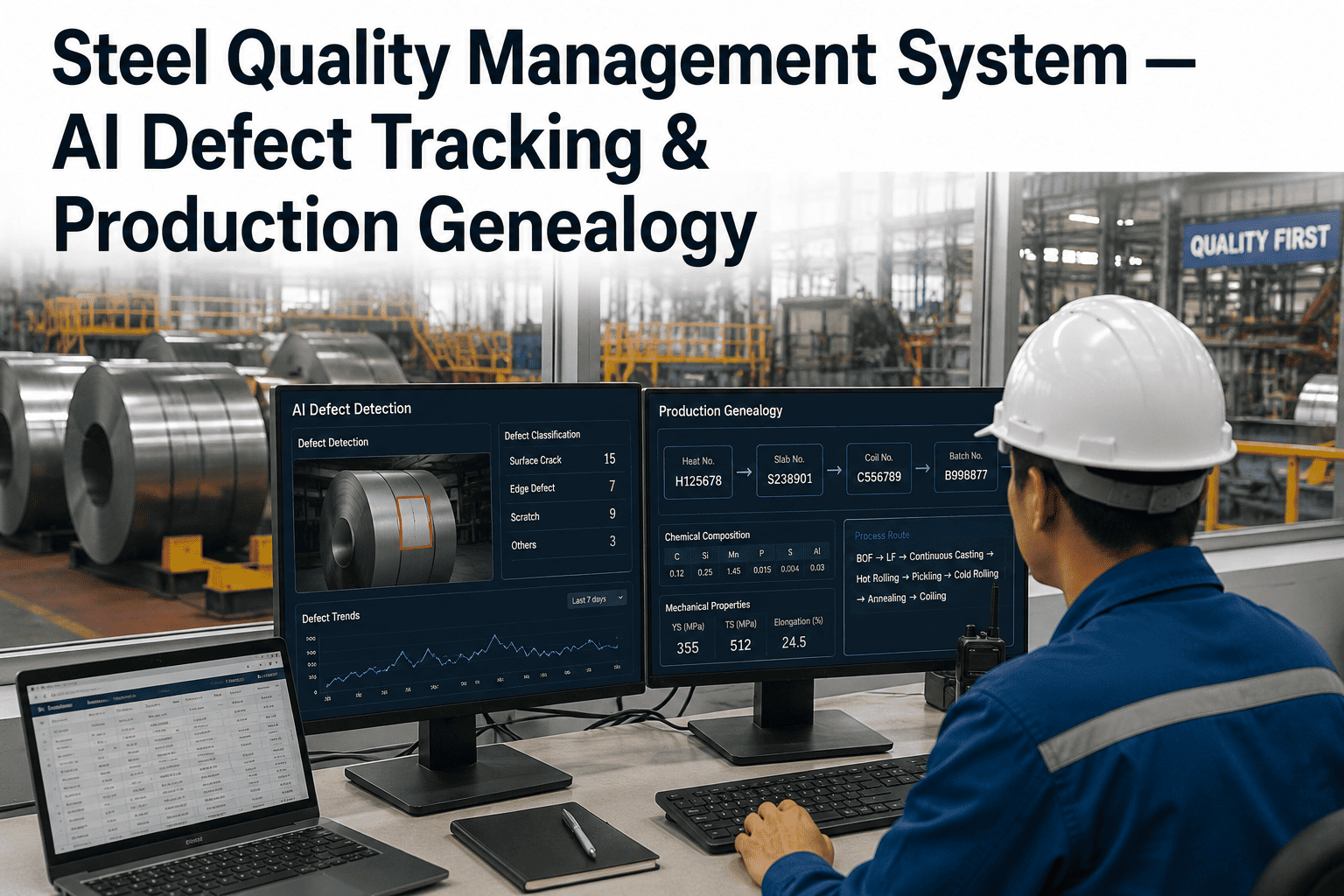
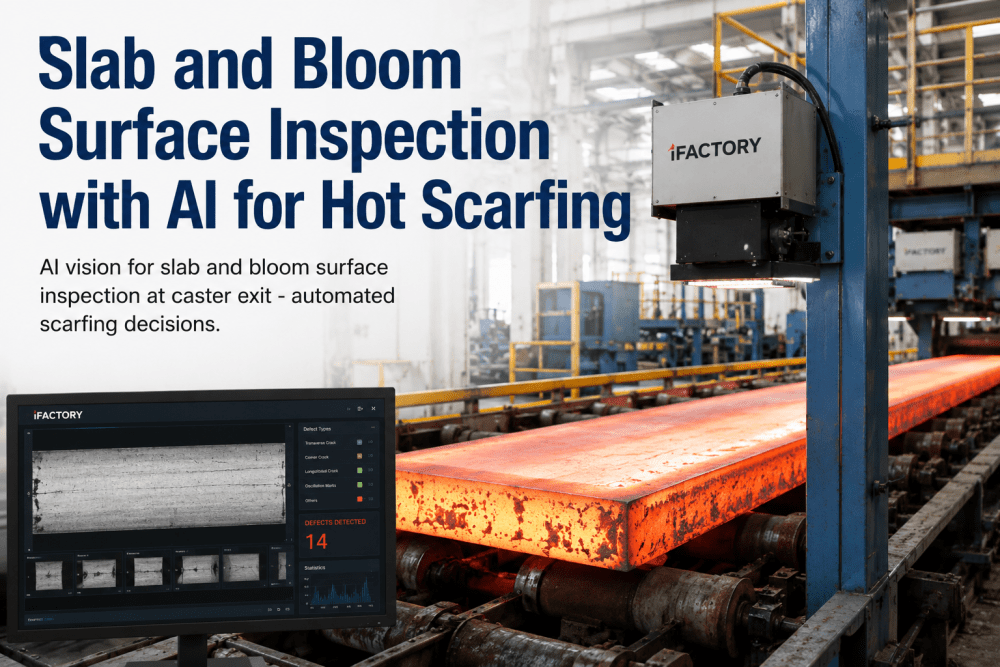
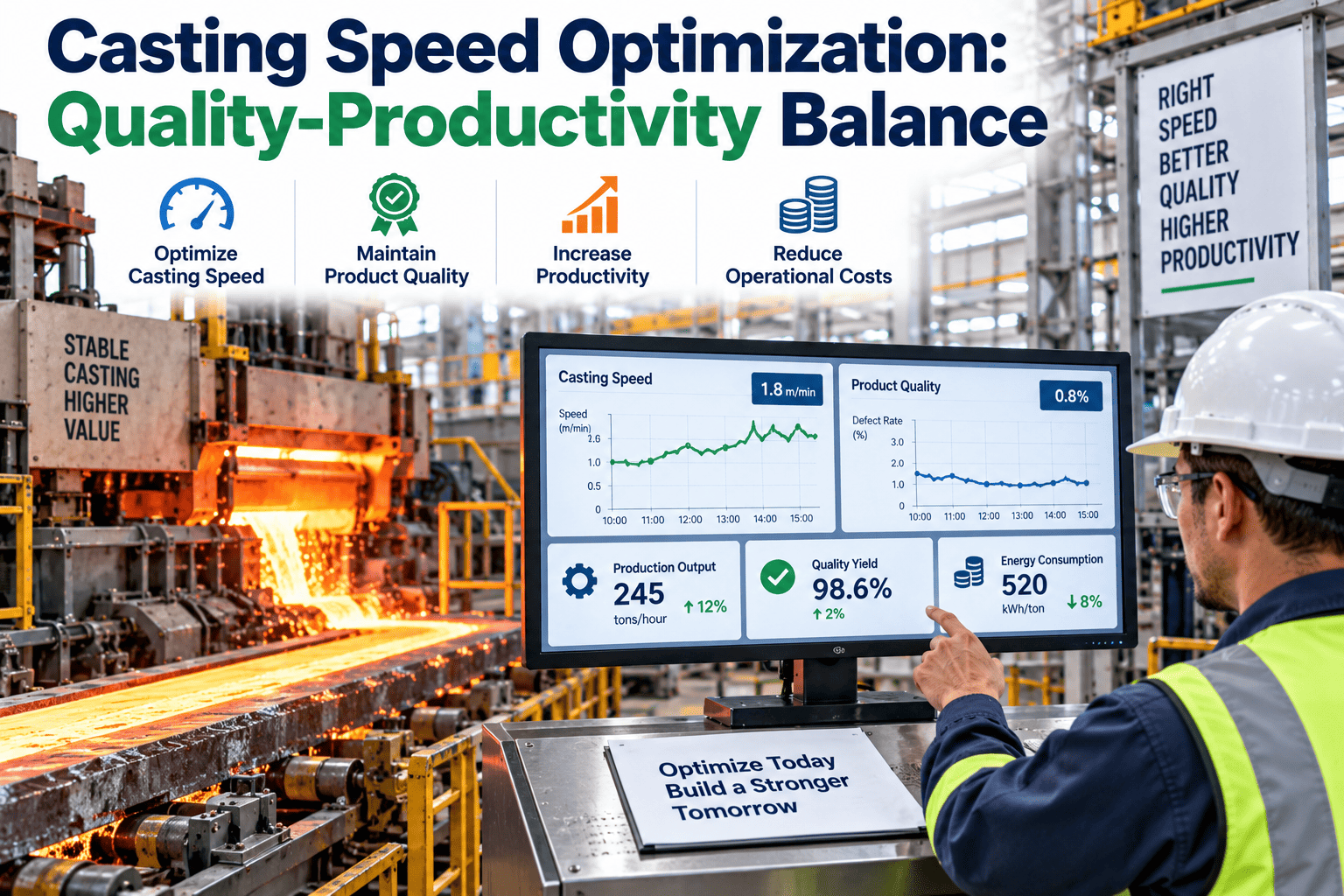
Casting quality problems are unusually costly because they are often invisible until the product form reaches a downstream customer or a rolling operation, by which point a surface crack or internal defect can trigger a claim, a downgrade, or a full reject on material that has already consumed the melting, refining, and casting cost of production. Process engineers managing slab, billet, and bloom quality know that most defects trace back to a specific combination of casting speed, mold flux behavior, and secondary cooling rate, but correlating those parameters against defect occurrence across thousands of casts is far beyond what manual review can consistently track. AI-driven quality analytics from iFactory continuously correlates casting parameters with defect outcomes to flag developing quality risk before a cast is complete.

Surface Defects Internal Quality Oscillation Marks

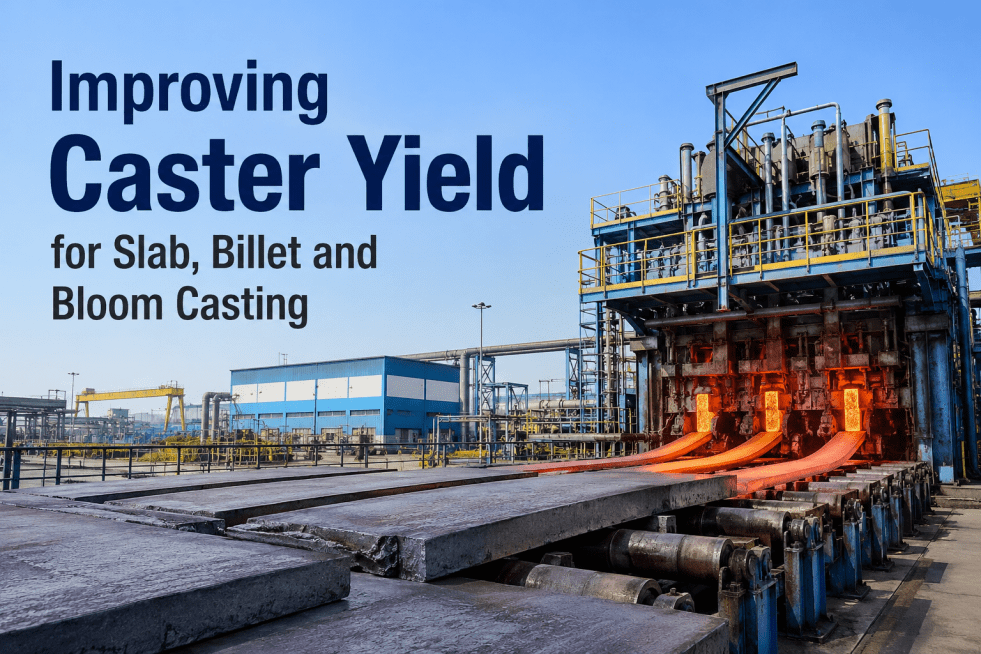
Slab, Billet, and Bloom Quality: AI Prevention of Surface and Internal Casting Defects

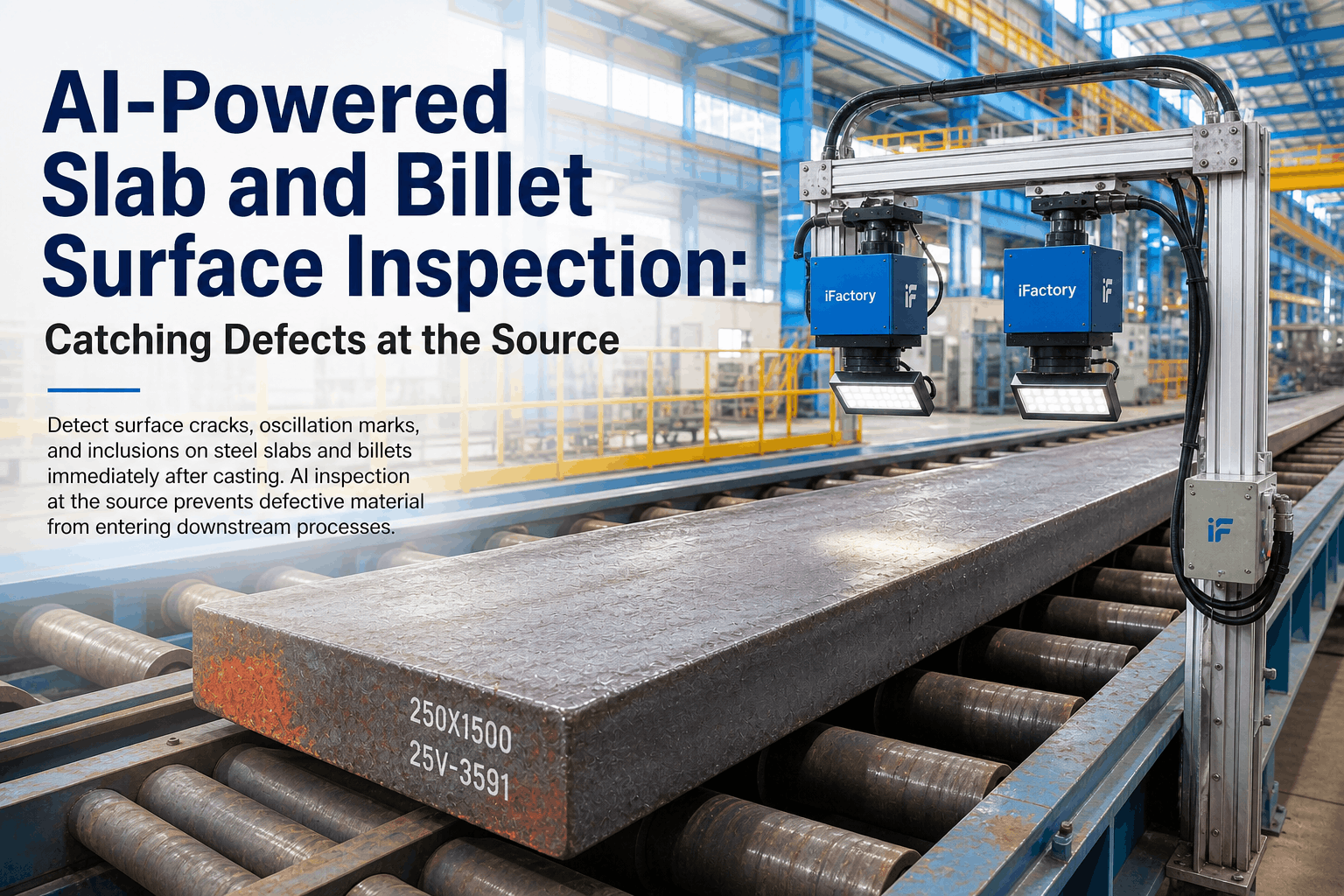
iFactory continuously correlates casting speed, mold flux performance, and secondary cooling rate against surface crack, oscillation mark, and internal defect outcomes, giving process engineers a proactive quality signal across every product form on the caster.

1-4% Typical downgrade or reject rate from casting-related surface and internal defects
3-4 Major defect categories process engineers must track across every cast
During Cast When AI flags developing risk, versus post-cast inspection discovery

Defect Categories Across Slab, Billet, and Bloom Products

Each product form and defect type has its own set of contributing casting parameters, and a process engineer trying to manage all of them through general casting practice guidelines often misses the specific combination that is actually driving defect rates on a particular caster. AI models trained on your caster's own defect history connect specific parameter combinations to specific defect types, rather than relying on generic industry rules of thumb.

Surface Cracks and Depressions
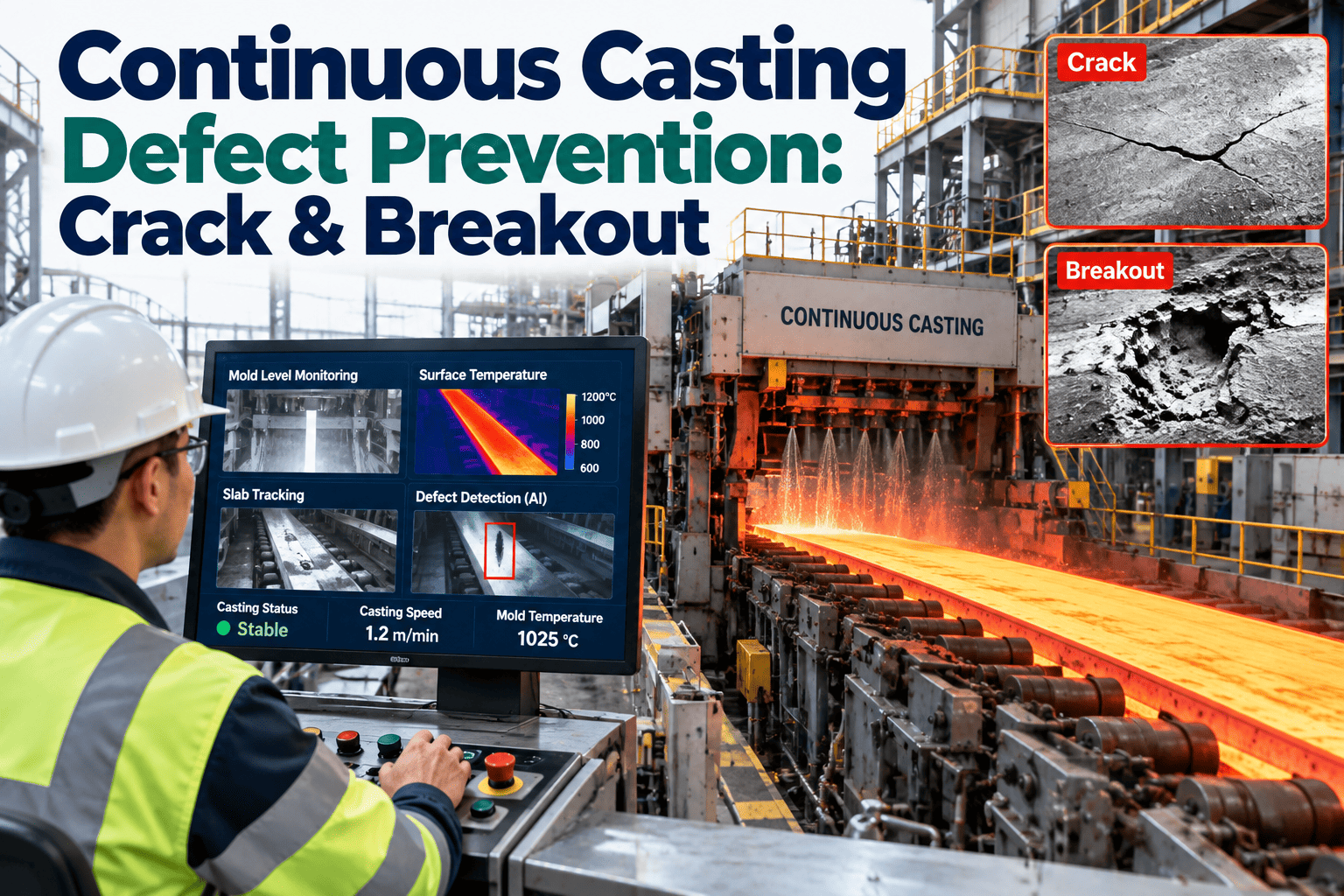
Correlated with mold level fluctuation, mold flux consumption rate, and mold copper plate condition to identify the specific combination driving crack formation.
Oscillation Marks and Overfill
Tracked against mold oscillation frequency, stroke length, and casting speed to flag combinations producing excessive or irregular oscillation mark depth.
Internal Porosity and Segregation
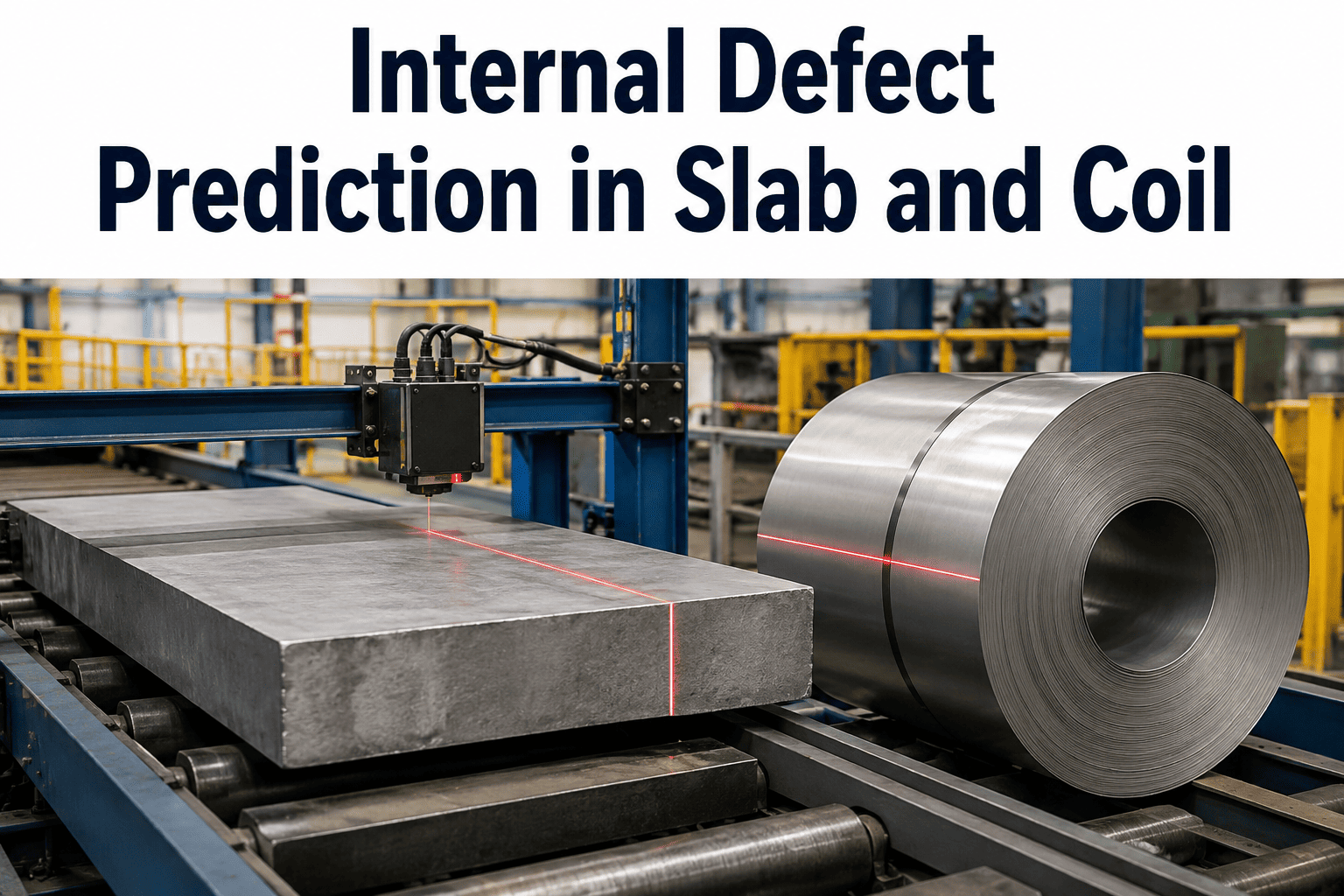
Modeled against secondary cooling rate, superheat, and casting speed to identify conditions increasing centerline segregation or porosity risk.
Breakout Precursor Patterns
Mold thermocouple temperature patterns analyzed continuously to detect the specific signatures that historically preceded near-breakout events on this caster.

From Parameter Deviation to Customer Claim: The Quality Cascade

Stage 1
Casting Parameter Deviation
Mold level, flux consumption, or cooling rate drifts outside the optimal range for the current steel grade and product form.
Stage 2
Defect Forms in the Solidifying Strand
The deviation translates into an actual surface or internal defect at the specific point in the strand where conditions were outside the safe range.
Stage 3
Defect Passes Undetected Through Inspection
Surface inspection or sampling misses the defect, particularly for internal quality issues not visible without destructive or ultrasonic testing.
Stage 4
Downgrade, Claim, or Downstream Failure
The defect surfaces at a rolling mill, a customer inspection, or in service, resulting in downgrade, claim cost, or reputational damage with the customer.
Catch Quality Risk While the Cast Is Still Running

iFactory connects to your existing mold instrumentation, casting speed, and flux monitoring data to flag developing defect risk during the cast itself, giving process engineers a window to adjust parameters before the affected section becomes finished product.

Post-Cast Inspection vs AI Real-Time Quality Correlation

Scroll to compare approaches
Quality Management Task Post-Cast Inspection Only iFactory AI Real-Time Correlation
Defect Detection Timing Defects found after casting is complete, during surface inspection or downstream processing Risk flagged during the cast itself based on live parameter correlation with historical defect patterns
Root Cause Identification Root cause analysis performed after the fact, often across many potential contributing factors Specific parameter combination linked to the developing risk identified in real time during the cast
Internal Defect Coverage Internal quality issues often undetected until destructive testing or downstream rolling reveals them Internal defect risk modeled continuously from cooling and casting parameters even without direct visual inspection
Cross-Cast Pattern Learning Pattern recognition across many casts limited by the time available for manual data review Every cast's outcome continuously refines the model's understanding of this caster's specific defect drivers

Before and After AI Quality Correlation

Before AI Correlation
Defects discovered after casting through surface inspection or downstream rolling operations
Root cause investigation performed reactively across a wide range of potential contributing factors
Internal quality issues sometimes undetected until they surface as a customer claim or service failure
After iFactory AI Correlation
Developing defect risk flagged during the cast itself, giving process engineers time to adjust parameters
Specific parameter combination driving risk identified immediately rather than through post-event investigation
Internal defect risk modeled continuously from process data, reducing undetected quality escapes

Expert Perspective

Casting quality has always been a bit of a black box compared to steelmaking chemistry, because the strand is solidifying inside the mold where you cannot see it directly, and the real evidence of a problem often does not show up until inspection or, worse, until a customer claim arrives. The AI correlation model changed that by connecting our mold thermocouple patterns and flux consumption data to the specific defect types we see most often, and it has flagged developing risk during an active cast on several occasions where we were able to adjust casting speed or cooling before the affected section became finished product. Our downgrade rate on premium automotive slab has come down meaningfully since we started acting on these real-time signals.
— Process Engineer, Integrated Steel Producer · Continuous Casting Operations

Frequently Asked Questions

Q: Can AI detect internal defects that are not visible until destructive testing?
The model estimates internal defect risk based on the process conditions historically associated with porosity, segregation, and similar internal quality issues on your specific caster, providing a probability-based risk signal rather than a direct detection of the defect itself. This risk signal is validated over time against destructive test results and downstream quality feedback to improve accuracy. Book a Demo to discuss validation for your product mix.
Q: How does the model handle differences between slab, billet, and bloom casting parameters?
Each product form is modeled separately using its own historical defect and parameter data, recognizing that oscillation mark formation on a billet caster behaves differently from a slab caster and that defect thresholds vary by product form and grade. This separation is important for the accuracy of the risk signal across a mixed-product casting operation.
Q: What casting data does iFactory need to build an accurate defect correlation model?
The platform typically uses mold thermocouple data, casting speed, mold flux consumption, secondary cooling flow rates, and historical inspection and downgrade records, most of which are already captured by standard caster process control and quality systems. A representative history across multiple grades and product forms supports faster initial model accuracy. Contact our team to review your available data sources.
Q: Can operators act on the risk signal during an active cast without stopping production?
Yes, the recommendations are designed to support adjustments operators can make within normal casting practice, such as speed or cooling water adjustments, rather than requiring a cast interruption, which keeps the response practical for an active continuous casting operation.
Q: How long before the model becomes reliable for a specific caster and product mix?
Most casters see an initial working model within four to six weeks, with accuracy continuing to improve over several months as the system observes a wider range of grades, product forms, and operating conditions specific to that caster.
Prevent Casting Defects Before They Reach Your Customer

iFactory helps process engineers correlate casting parameters with defect outcomes in real time across slab, billet, and bloom production, reducing downgrade risk and giving quality teams a proactive rather than reactive view of casting performance.
Share This Story, Choose Your Platform!