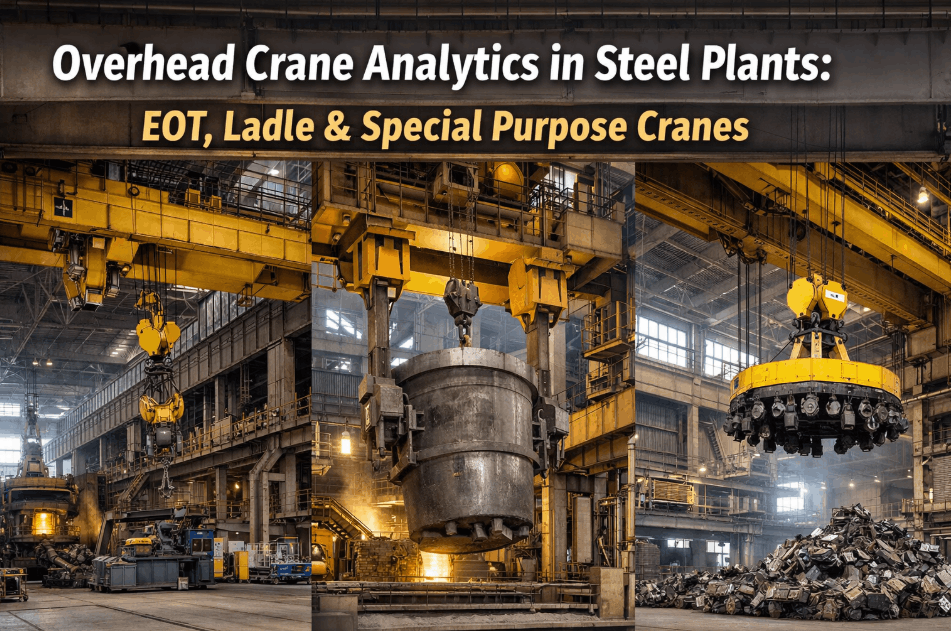
How AI sensors prevented a ladle crane failure in a live steel plant
By Riley Quinn on March 20, 2026
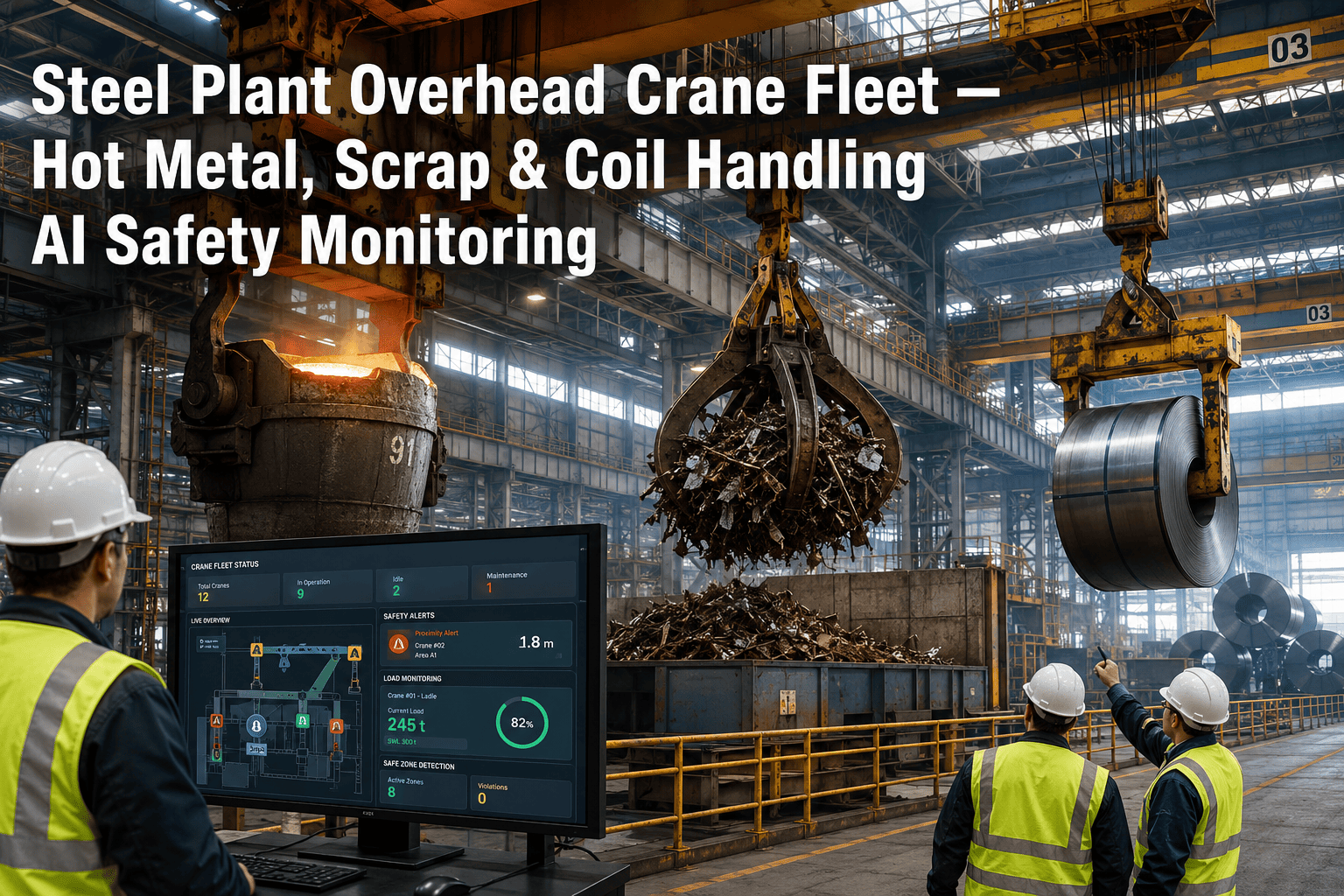
Day 0: A 250-tonne ladle crane in a steel melt shop was carrying 180 tonnes of molten steel at 1,600°C. Visual inspection showed nothing wrong. The operator saw nothing unusual. Routine checks passed. But 18 days earlier, an AI anomaly model had flagged something invisible to the human eye—structural fatigue in a critical load path component. The inspection that followed confirmed a crack that would have caused catastrophic failure within weeks. This is the story of the disaster that didn't happen.
Case Study: Steel Melt Shop
18 Days of Warning
How AI sensors detected what human inspection couldn't see
250T
Crane Capacity
1,600°C
Molten Steel Temp
18 Days
Early Warning
0
Casualties
The Timeline: From Detection to Prevention
Traditional inspection schedules check cranes weekly or monthly. But structural fatigue develops silently between inspections. Here's how continuous AI monitoring changed the outcome.
Day -18
AI Anomaly Detection
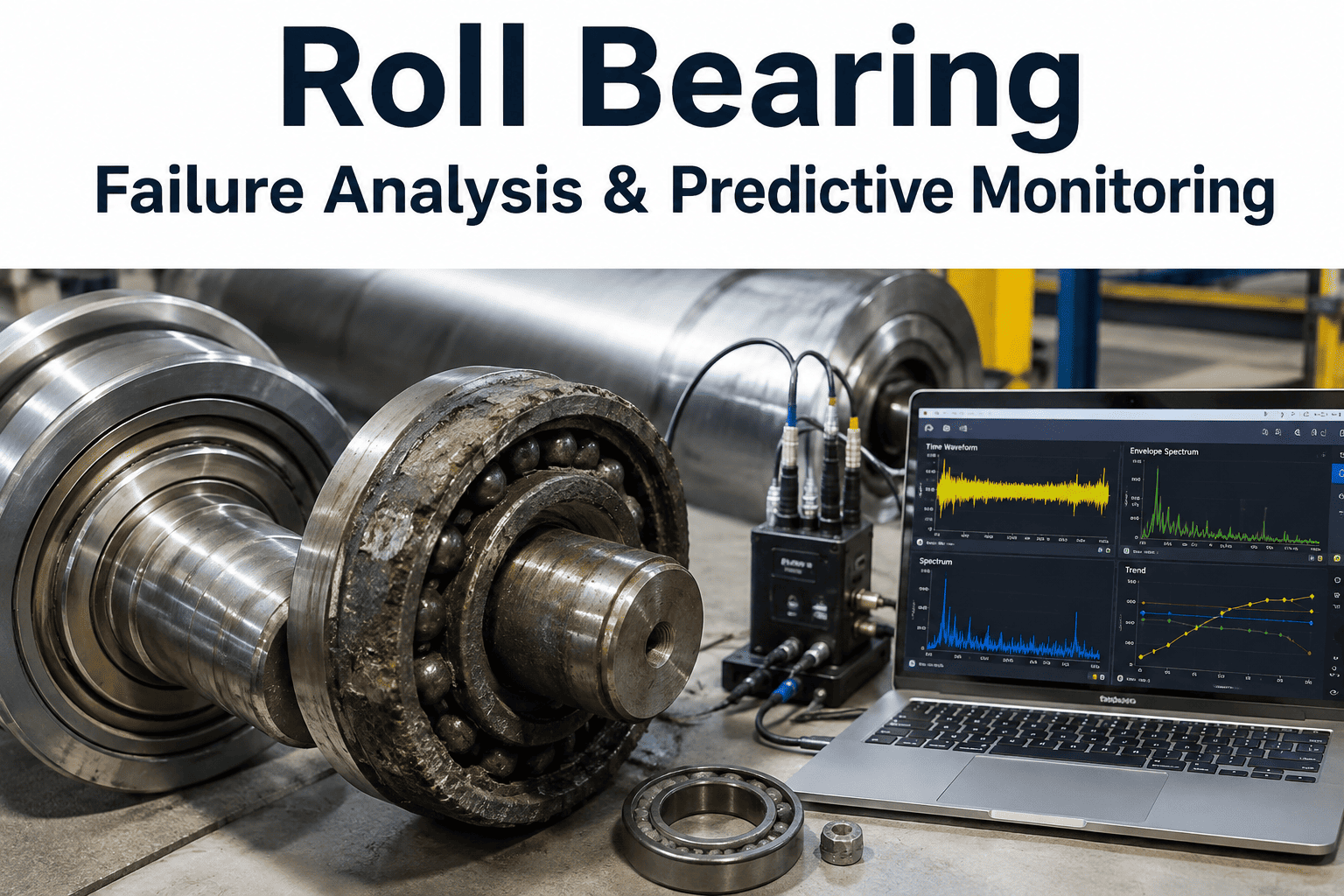
Vibration sensors detect 19% deviation from baseline in hoist motor bearing frequency. Load sensors show micro-variations in lift patterns. AI model flags "structural fatigue signature" with 87% confidence.
Day -17
Work Order Generated
CMMS automatically creates priority inspection work order. Maintenance team notified. Crane flagged for enhanced monitoring—all lifts logged with additional sensor data capture.
Day -14
NDE Inspection Scheduled
Non-destructive examination (ultrasonic + magnetic particle) scheduled for next planned maintenance window. Crane continues operation under enhanced monitoring.
Day -7
Defect Confirmed
Ultrasonic testing reveals 12mm fatigue crack in load path weldment—invisible to visual inspection. Crack propagation analysis estimates failure within 14-21 days under normal loading.
Day -4
Repair Completed
Weldment repaired during scheduled 8-hour maintenance window. Crane returned to service with new baseline established. Total cost: $45,000. Avoided cost: Incalculable.
Day 0
Predicted Failure Window
Without AI detection, failure would have occurred during this period. 180 tonnes of molten steel would have dropped from 15 meters. Outcome: Prevented.
What Would Have Happened
A ladle crane failure in a steel melt shop isn't a production inconvenience. It's a potential catastrophe. When 150-350 tonnes of molten metal at 1,600°C drops from height, the consequences cascade.
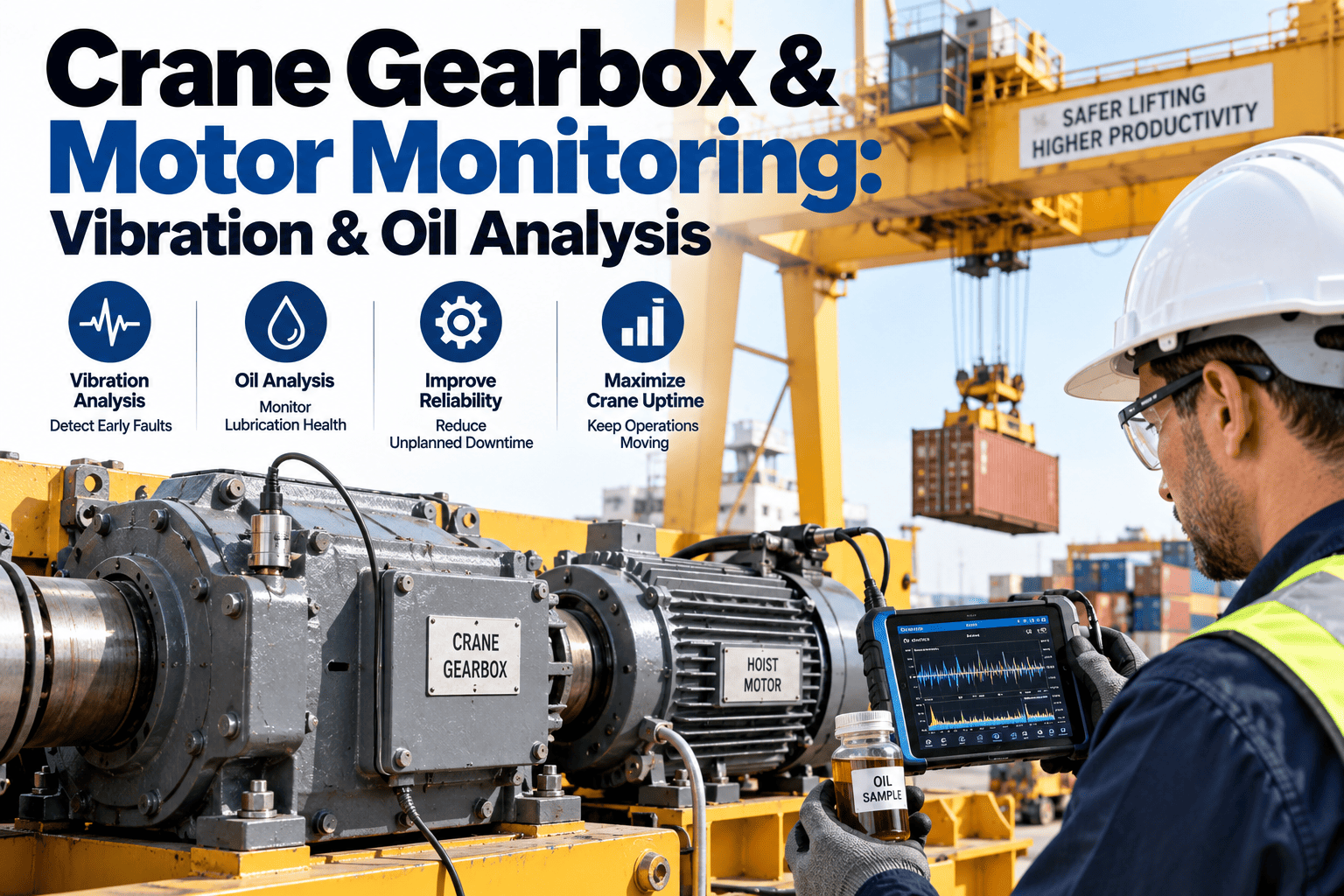
The AI anomaly model doesn't look for one signal—it correlates multiple sensor streams to identify patterns invisible to single-point monitoring or human inspection.
Vibration Analysis
19% amplitude deviation in hoist motor bearing frequency
Structural stress transferring abnormal vibration to motor mounts
Load Pattern Analysis
Micro-variations in lift acceleration curve
Load path component flexing beyond normal parameters
Thermal Signature
Localized heat concentration at weldment junction
Crack propagation causing friction and stress concentration
AI Pattern Correlation
87% confidence: "Structural fatigue signature"
Combined signals match known pre-failure patterns from training data
Don't Wait for Visual Signs of Failure
By the time you can see crane damage, it's often too late. AI-powered monitoring detects the invisible signatures of developing failures weeks in advance.
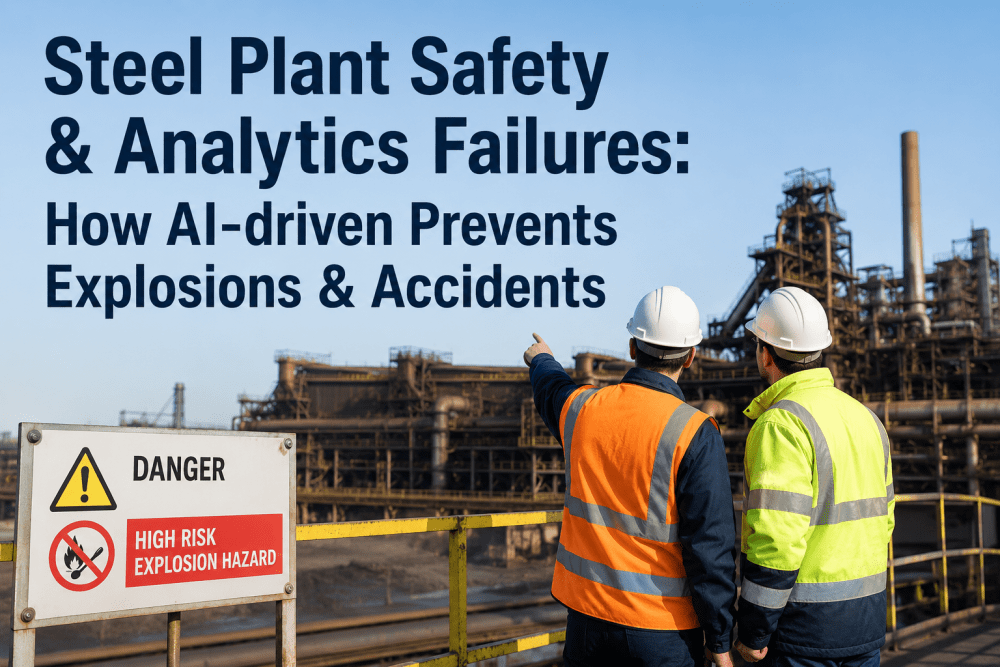
Crane failures are not rare statistical anomalies. They happen consistently across industries—and in steel plants, the consequences are uniquely severe.
"Vibration monitoring combined with AI analysis can detect structural fatigue, wire rope wear, and brake degradation in cranes weeks before failure. A multi-sensor approach is critical because 60% of crane failures stem from issues that vibration alone can't detect—such as electrical faults or structural fatigue. The integration of vibration, thermal imaging, and load monitoring creates a holistic view of asset condition."
— Industry Analysis, Predictive Maintenance Research 2025
AI-powered vibration and load analysis can identify bearing and structural failures 50+ operating hours in advance by detecting baseline deviations of 15% or greater. For cranes operating 20 hours/day, that provides 2-3 days of lead time—enough to schedule maintenance during planned windows and avoid catastrophic failure.
What sensors are needed for crane health monitoring?
A comprehensive system combines vibration sensors (accelerometers on hoist motors, gearboxes, and structural points), load cells for weight and acceleration patterns, thermal imaging for hot spots, and strain gauges for structural monitoring. This multi-sensor approach is critical because 60% of crane failures stem from issues single-sensor monitoring can't detect.
Can existing cranes be retrofitted with AI monitoring?
Yes. Most overhead, gantry, and ladle cranes can be retrofitted with modern sensors and IoT monitoring without full replacement. Wireless vibration sensors, load cells, and edge gateways integrate with existing crane controls and feed data to AI analytics platforms. Retrofit typically takes days, not weeks.
What is the ROI of predictive crane maintenance?
Consider the math: A single ladle crane failure can cause $2M-$50M+ in damage, plus $15,000/minute in downtime, plus potential fatalities. AI monitoring systems cost a fraction of this and typically pay back within 12 months through avoided failures, optimized maintenance scheduling, and extended equipment life.
How does AI monitoring integrate with existing CMMS?
Modern AI platforms integrate directly with CMMS systems to automatically generate work orders when anomalies are detected. When the AI flags a potential issue, the system creates prioritized inspection tasks, tracks maintenance actions, and updates asset health records—closing the loop from detection to prevention.
Prevent the Failure That Hasn't Happened Yet
Your cranes are showing signs of developing failures right now. The question is whether you have the sensors to detect them. See how iFactory's AI monitoring catches what inspection misses.