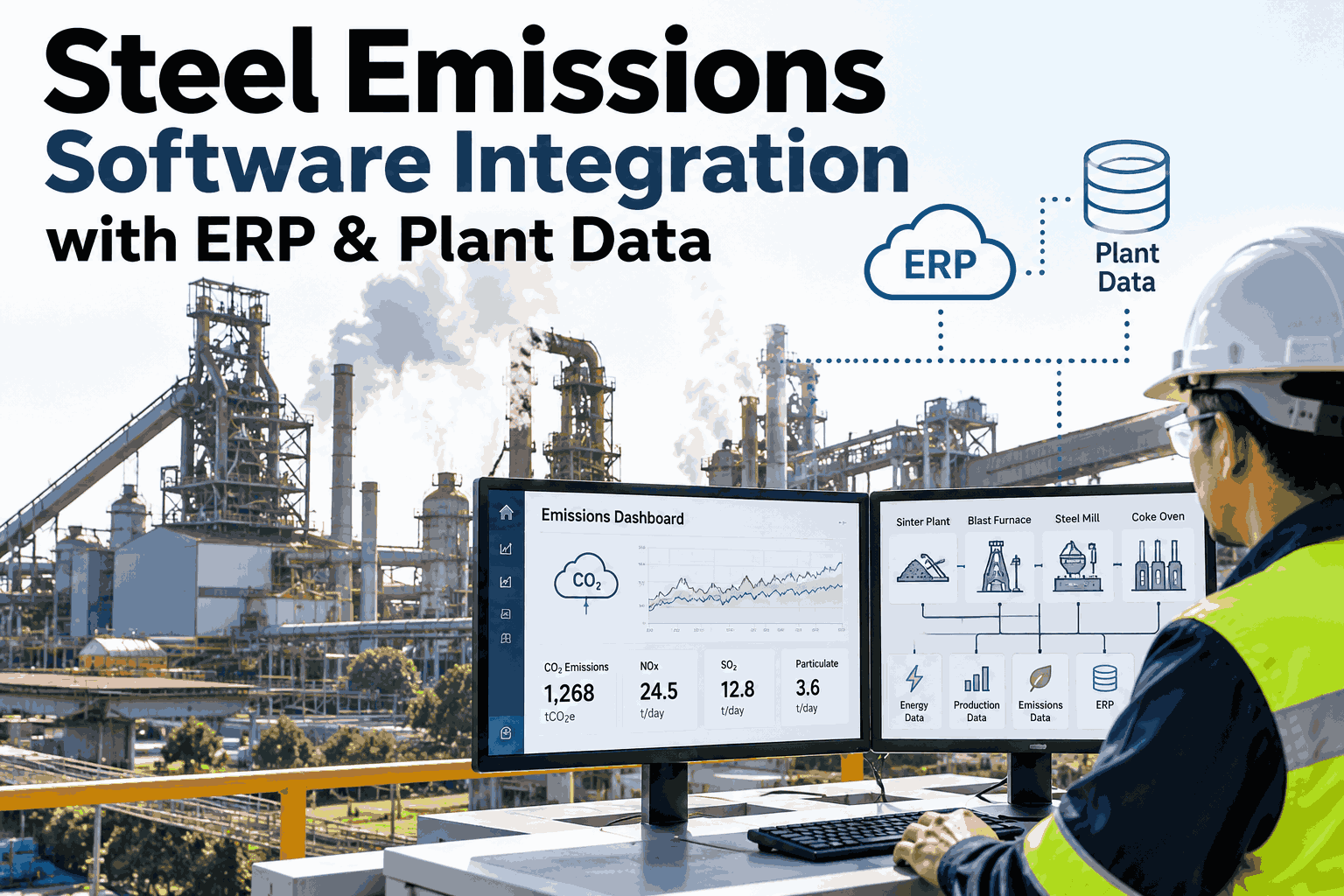
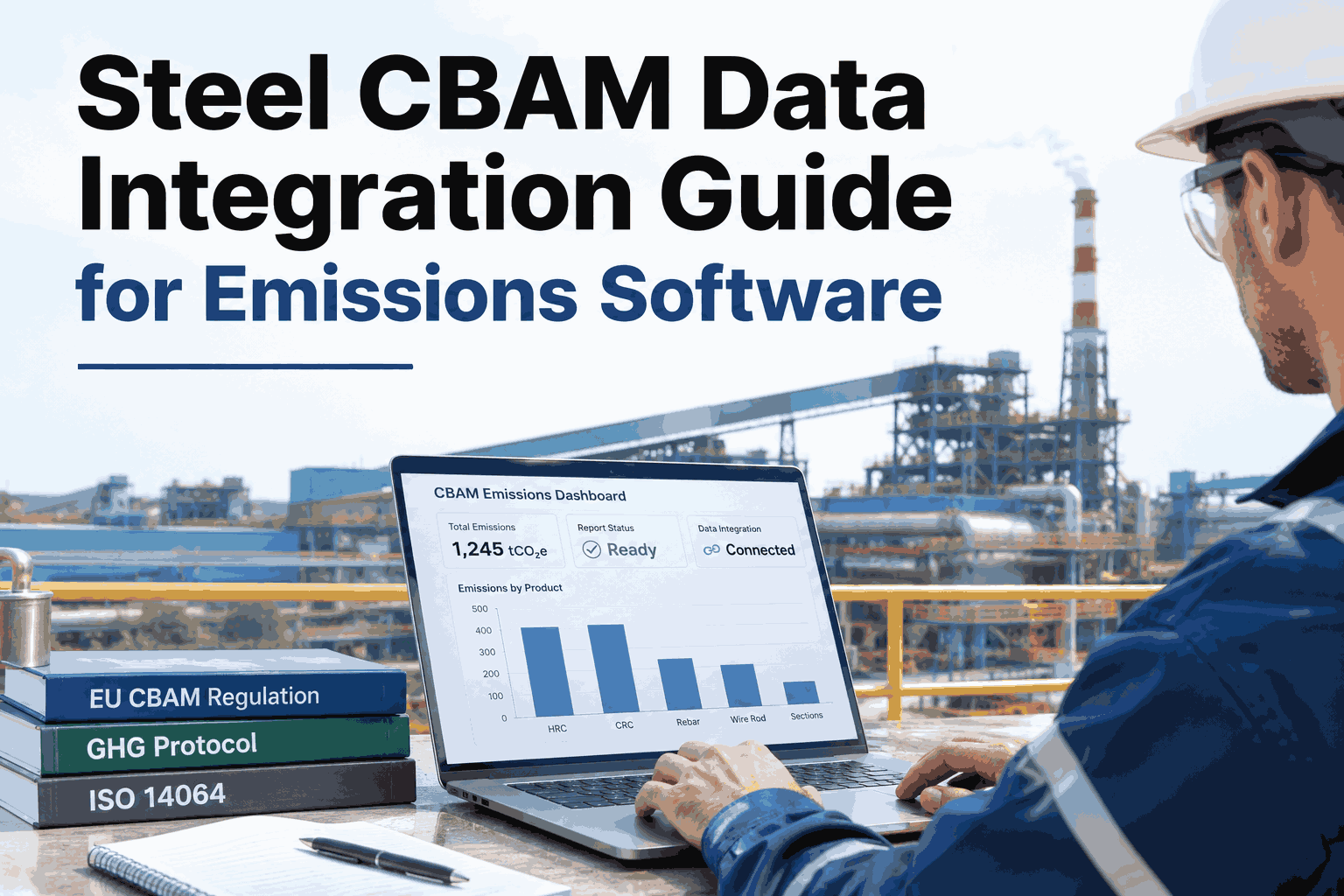
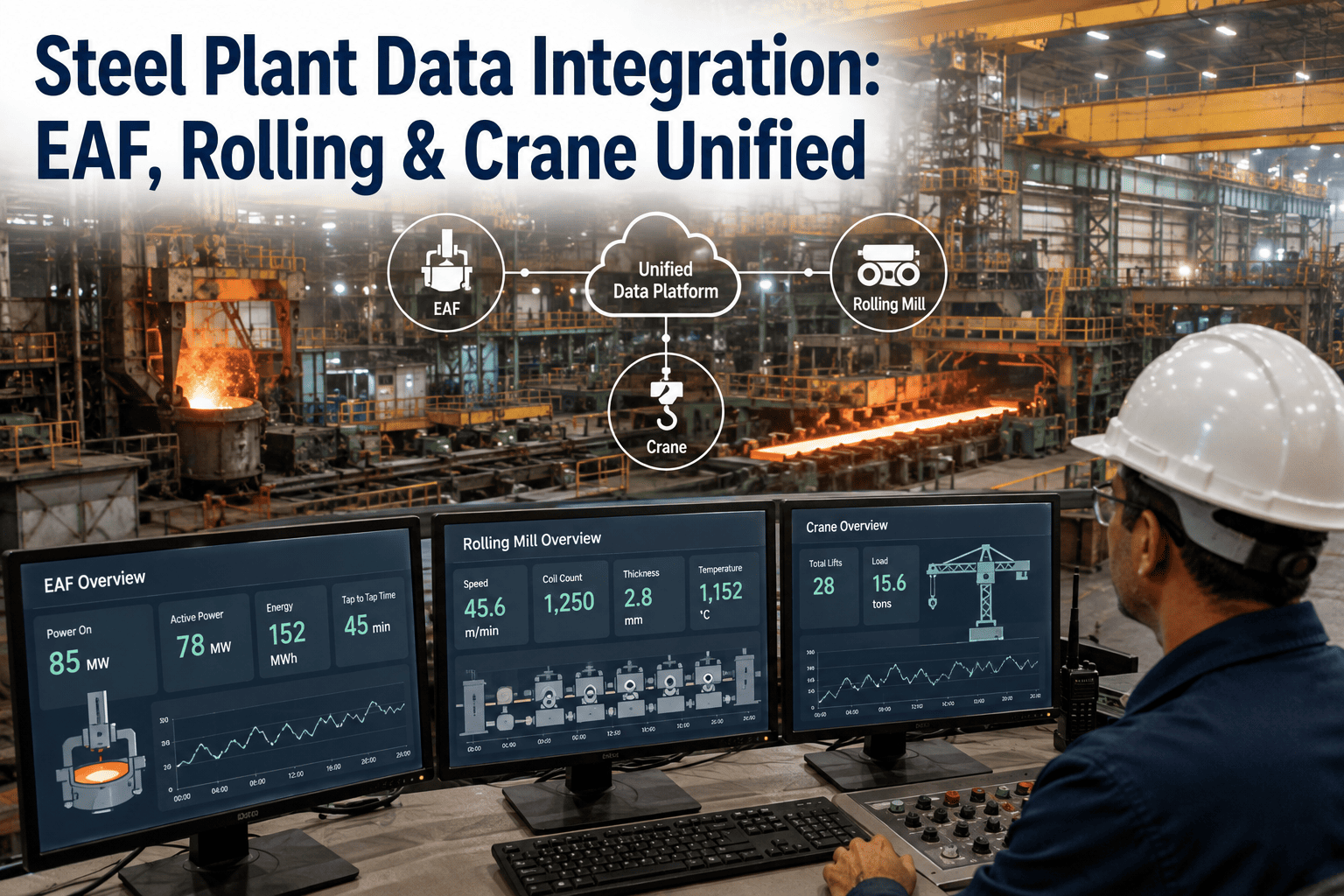
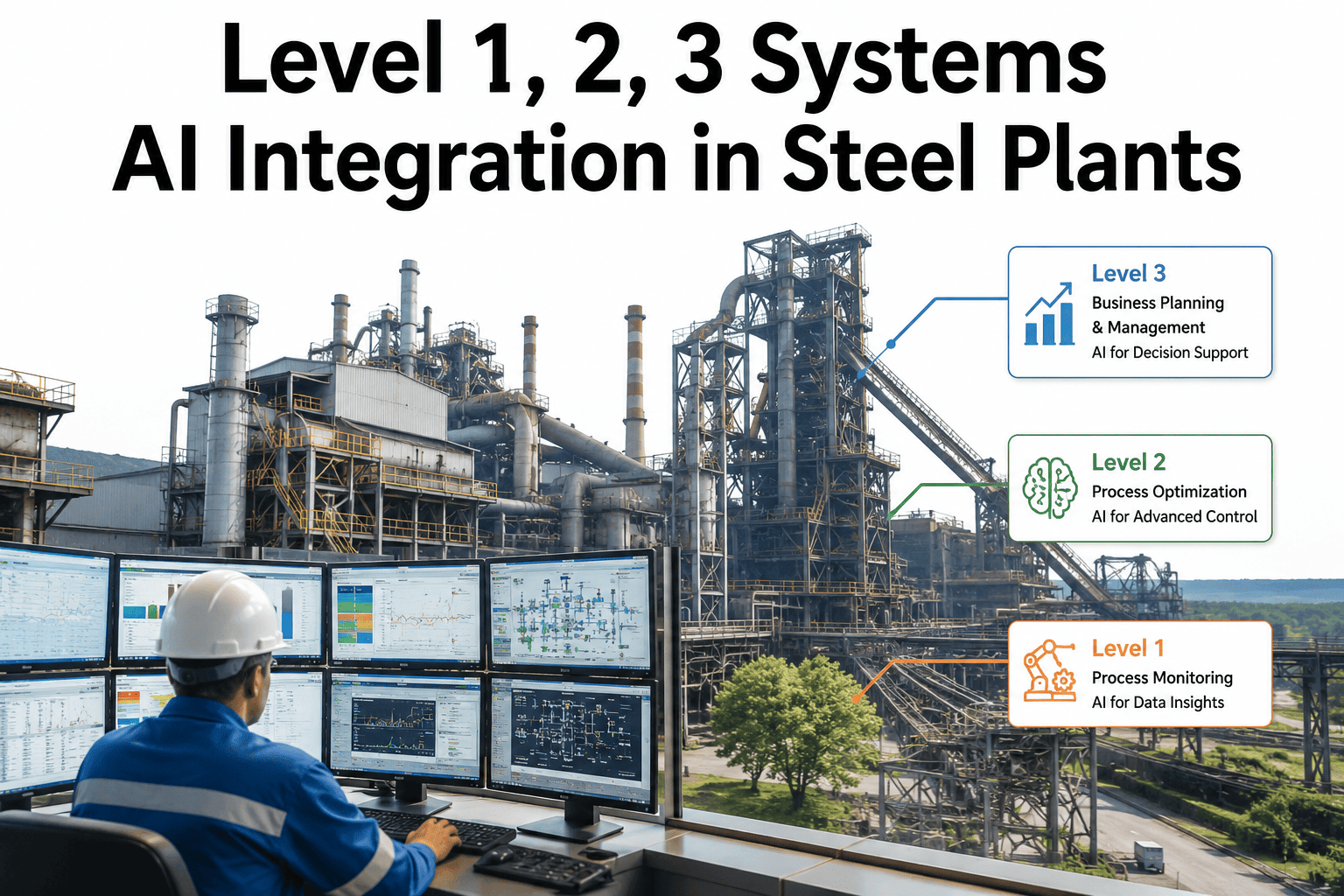
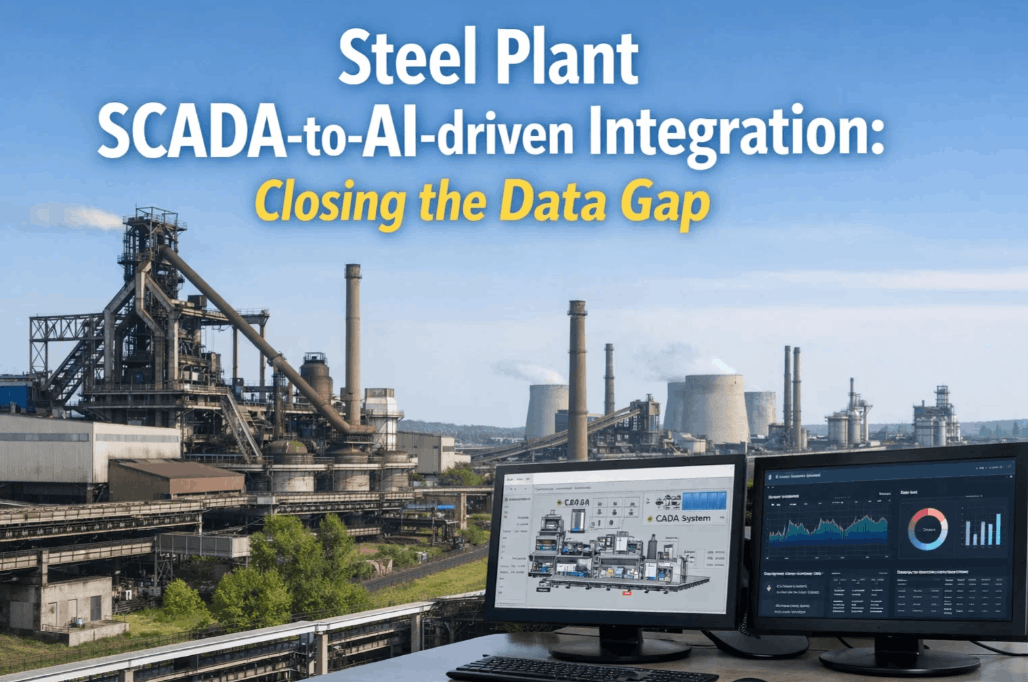
Steel plant ERP-AI integration is transforming how world-class manufacturers monitor, document, and control production data across their entire manufacturing ecosystem. Traditional ERP systems in the steel industry often depend on manual data entry, batch-processed updates, and siloed maintenance records — systems that introduce human error, documentation gaps, and financial leakage at every stage. When AI-driven analytics connect directly to ERP modules like SAP PM or Oracle EAM, operations teams gain real-time visibility into work order status, automated inventory synchronization, and predictive alerts before a data silo becomes a supply chain disruption. Facilities that have integrated AI-driven platforms with their ERP systems report up to 60% reduction in data latency and dramatically faster financial reporting cycles. Book a demo to see how iFactory links your ERP plan to live equipment analytics from day one.
Why Steel ERP Strategies Fail Without Real-Time AI Integration
The ERP framework is only as reliable as the plant-floor data it depends on. When production equipment — furnaces, mills, and casters — operates outside optimized parameters or degrades silently between manual data entries, critical information (part wear, energy intensity) can be missing without triggering the work orders an ERP maintenance plan requires. This is precisely where traditional ERP implementation creates systemic operational risk.
AI-driven equipment analytics close this gap by establishing continuous performance baselines for every production asset and detecting anomalies — data drift, inventory inaccuracies, and cost overruns — that a weekly manual update will never catch. The result is an ERP system that monitors itself, not one that depends on technician availability to confirm that financial targets are being met accurately.
Fixed-interval batch updates miss production events occurring between sync windows. Financial bodies increasingly reject delayed records as insufficient evidence of continuous fiscal control.
Identifying part shortages only after a breakdown means weeks of production downtime. AI-driven monitoring identifies inventory needs in minutes, enabling intervention before failure occurs.
Maintenance logs and equipment records stored in separate systems cannot produce an integrated asset history — the exact chain of evidence audit-ready financial reporting requires.
Without AI-driven pattern recognition, teams cannot distinguish a system showing early financial drift from one operating normally under unusual cost conditions — making every alert reactive.
How AI-Driven Integration Connects Steel ERPs to Plant Floor Intelligence
Linking AI-driven analytics to your ERP requires mapping each asset master to the specific equipment and modules responsible for that cost center — then feeding that real-time performance data into an analytics platform capable of recognizing data fault signatures. Book a demo with iFactory to see how this works.
ERP Asset Master Mapping
Each asset in the ERP plan is linked to its corresponding production equipment — furnaces at the primary stage, mills at the rolling stage, casters at the shaping stage. This creates a direct, auditable connection between ERP records and floor assets.
Real-Time Data Synchronization
IoT-connected sensors and ERP middleware continuously stream performance data to the AI platform. Baseline models are established for each asset under normal conditions — enabling the system to detect statistical drift and data gaps.
AI-Driven Work Order Automation
Machine learning models analyze data streams against established baselines. When a production process shows early degradation signatures, the platform generates an ERP-ready work order score — distinguishing an urgent repair from a routine check.
Inventory Optimization and Purchase Requisition
When AI flags a part wear event, the platform auto-generates an ERP purchase requisition linked to the asset record. Every step is documented in real time — producing the unbroken chain of records that financial audits require.
Continuous Audit Documentation
Rather than assembling reports manually, the platform maintains a continuously updated digital record for every asset — sync status, inventory history, and financial impact — accessible as a single audit trail.
ERP Modules and the Data Failures That Put Production at Risk
Every integrated steel plant has a defined set of ERP modules where data failure directly translates to operational loss. The table below maps common modules to their AI-detectable failure modes and the financial consequence of undetected sync gaps.
| ERP Module | Monitoring Logic | AI-Detectable Integration Gap | Operational Metric at Risk | Financial Consequence |
|---|---|---|---|---|
| SAP PM (Plant Maintenance) | Work order status, part usage | Maintenance delay, part omission | Mean Time To Repair (MTTR) | Unplanned Stoppage Cost Overruns |
| Oracle EAM (Asset Management) | Asset health, depreciation rate | Health drift, manual log gap | Total Cost of Ownership (TCO) | Premature Capital Expenditure |
| MM (Materials Management) | Stock levels, NCV of fuel | Inventory lag, fuel quality drift | Stockout Probability | Supply Chain Disruption Fees |
| FI/CO (Finance & Controlling) | Energy cost, labor center sync | Billing error, cost center lag | Energy Cost Per Tonne | Fiscal Year Reporting Inaccuracy |
| QM (Quality Management) | Lab results, reject certificates | Manual result delay, certificate gap | Yield Quality Compliance | Customer Quality Claim Penalties |
| SD (Sales & Distribution) | Shipping status, load weighing | Weight sensor drift, dispatch lag | On-Time-In-Full (OTIF) % | Contractual Logistics Penalties |
ERP Compliance Tracking: What AI-Driven Documentation Delivers That Manual Entry Cannot
Industrial financial standards and ESG reporting all require documented evidence that production data is accurate and integrated. Manual entry systems fail this standard in predictable ways — records are incomplete and corrective actions cannot be traced. Book a demo to see how iFactory's compliance module meets these standards.
Every data sync is timestamped and system-attributed, replacing manual logs with a continuous, tamper-evident digital record that satisfies financial audit requirements.
Asset certificates attach directly to the ERP master record, creating the unbroken compliance chain auditors require without manual cross-referencing.
When an AI alert triggers an ERP work order, the platform documents who responded and when the asset returned to a controlled state — automatically.
Periodic inventory verification tasks are scheduled and documented in the system, meeting fiscal verification requirements with no manual document assembly.
The platform generates complete ERP-AI audit packages on demand — sync history, inventory logs, and financial impacts — reducing pre-audit preparation time.
Rather than scheduling maintenance based on fixed budgets, AI-driven scheduling adjusts based on actual asset condition — ensuring budget is spent when data indicates it is needed.
Implementing ERP-AI Integration: A Phased Roadmap for Steel Producers
Integrating AI-driven analytics with an ERP system is a structured deployment that starts with high-consequence asset masters. The roadmap below reflects the implementation approach used by manufacturers that have successfully connected equipment analytics to their ERPs. Schedule a consult.
ERP Plan Digital Import and Asset Mapping
Import your existing ERP asset master into the platform and map each record to equipment assets. Establish the data parameters and corrective action protocols in the system — replacing paper references with live digital records.
API and Middleware Integration Establishment
Connect production equipment to the AI platform via API, IoT sensors, or SCADA streams. Collect 4–6 weeks of baseline performance data. Data fidelity is the foundation of accurate sync detection.
AI Fault Model Configuration and Sync Threshold Calibration
Configure AI fault models tuned to steel-specific data failure signatures. Set severity-tiered alert thresholds that distinguish immediate sync alerts from long-term data recommendations.
Workflow and Documentation Automation
Activate automated work orders for sync alerts and data gaps. Configure document templates for financial and ESG requirements. Connect workflows to production lots for automatic financial identification.
Audit Readiness Verification and Improvement
Conduct an internal audit simulation using the platform's automated documentation export to validate that all records satisfy certification. Review AI model accuracy quarterly and refine thresholds.
ERP-AI Integration KPIs: Measuring the Impact of Data Synergy
Operations directors need measurable evidence that AI-driven ERP integration is delivering financial outcomes. The KPIs below are the leading and lagging indicators that demonstrate program value and identify gaps before they become audit findings.
ERP-AI Integration Across Key Steel Production Domains
The operational requirements of AI-driven ERP analytics vary by domain. Effective integration must be configured for the specific module types of each environment. Book a demo to explore how iFactory configures ERP-AI integration for your specific steel plant category.
Work order and part usage sync — AI analytics detect equipment wear and sync maintenance requirements to SAP PM 2–4 weeks before they produce a critical limit failure.
Asset health and lifecycle sync — tracking equipment degradation against Oracle EAM depreciation records for zero-fail production and optimized capital expenditure.
Energy and cost sync — AI-driven monitoring of furnace power and labor hours tracks against corporate financial requirements with automated documentation.
Silo and inventory sync — AI analytics detect stock-out risks and sync purchase requisitions to materials management modules before they diverge from production needs.
Equipment and part data sync — AI-driven monitoring of asset specifications ensures ERP master data remains functional even when the plant's legacy systems fail.
Normalizing data across global steel hubs — iFactory provides a unified data layer for corporate finance teams, identifying the most efficient "best-practice" plant and scaling its roadmap.
Frequently Asked Questions: Steel Plant ERP and AI-Driven Integration
AI-driven integration adds continuous real-time equipment monitoring and predictive sync detection — none of which manual systems provide. It detects data gaps before they result in a supply chain event.
Modules with high financial consequence — Maintenance (PM/EAM) and Materials Management (MM) — deliver the fastest ROI. These are also where regulatory scrutiny of financial records is most intensive.
Financial standards require evidence of accurate data integration. AI platforms generate this automatically — timestamped sync records and equipment-attributed financial work orders.
Yes. Most modern AI platforms support integration via existing APIs and middleware. You can begin analytics using the data your ERP already collects, with no major capital re-investment.
Initial deployment typically requires 4–8 weeks. Most steel plants report measurable reductions in data latency and inventory accuracy improvements within 3–6 months of full operation.
Yes, we provide enterprise-grade, encrypted API connectors for SAP S/4HANA and legacy R/3 systems. This ensures data integrity and security while maintaining real-time floor-to-office sync.
When AI detects a part wear trend, it automatically triggers a requisition in Oracle EAM. This removes human delay from the procurement cycle, ensuring parts arrive before failure occurs.
The AI continuously cross-references physical asset telemetry with ERP master data records. If a mismatch is detected (e.g., motor rating), the system flags it for immediate correction.
Yes, our digital sync logs and financial impact reports are designed to meet the transparency requirements of IFRS and GAAP for industrial asset reporting.
Integrated hubs typically achieve an 8:1 ROI by reducing "Hidden Inventory" and preventing emergency procurement. The primary gain is the elimination of production downtime caused by data siloing.