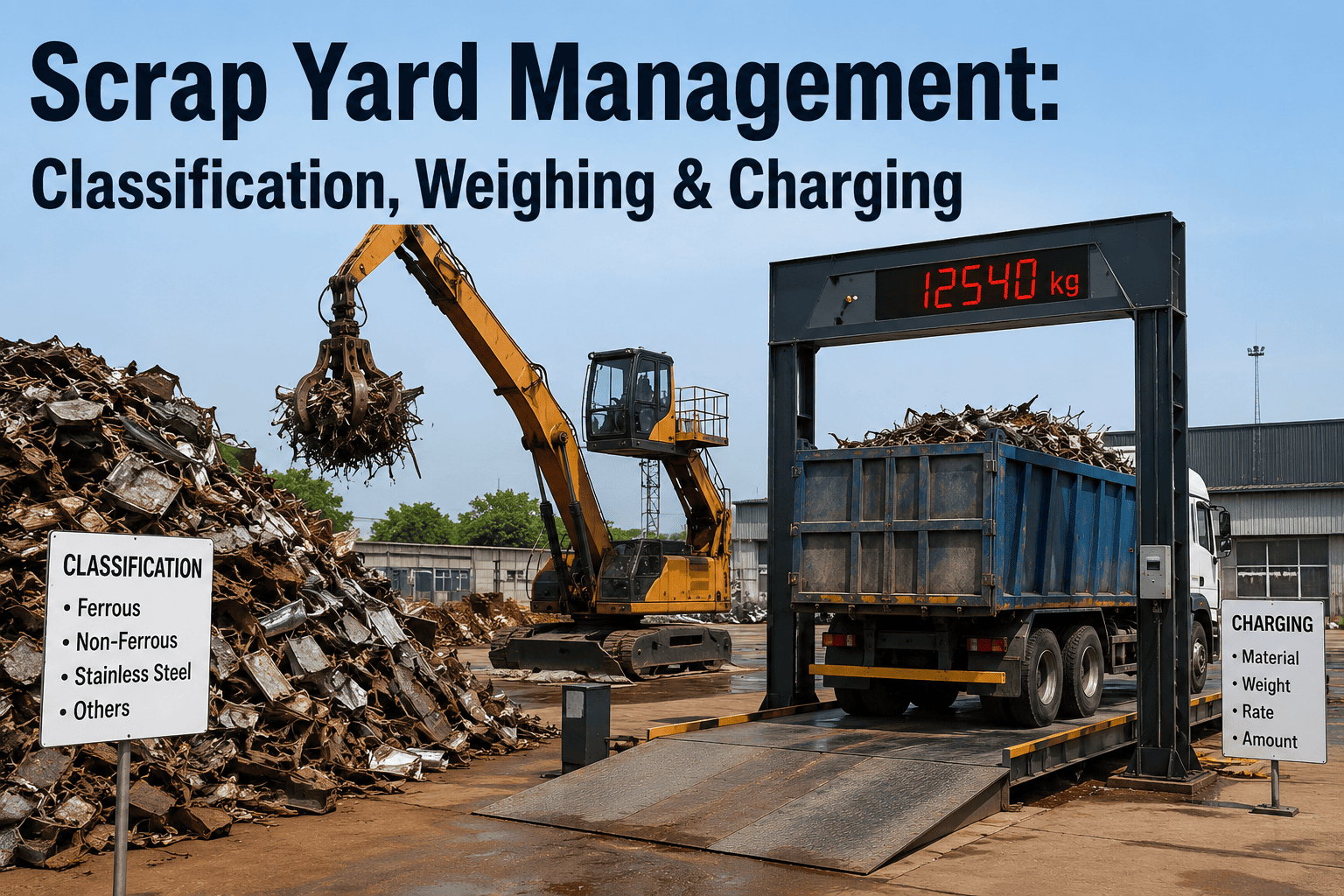
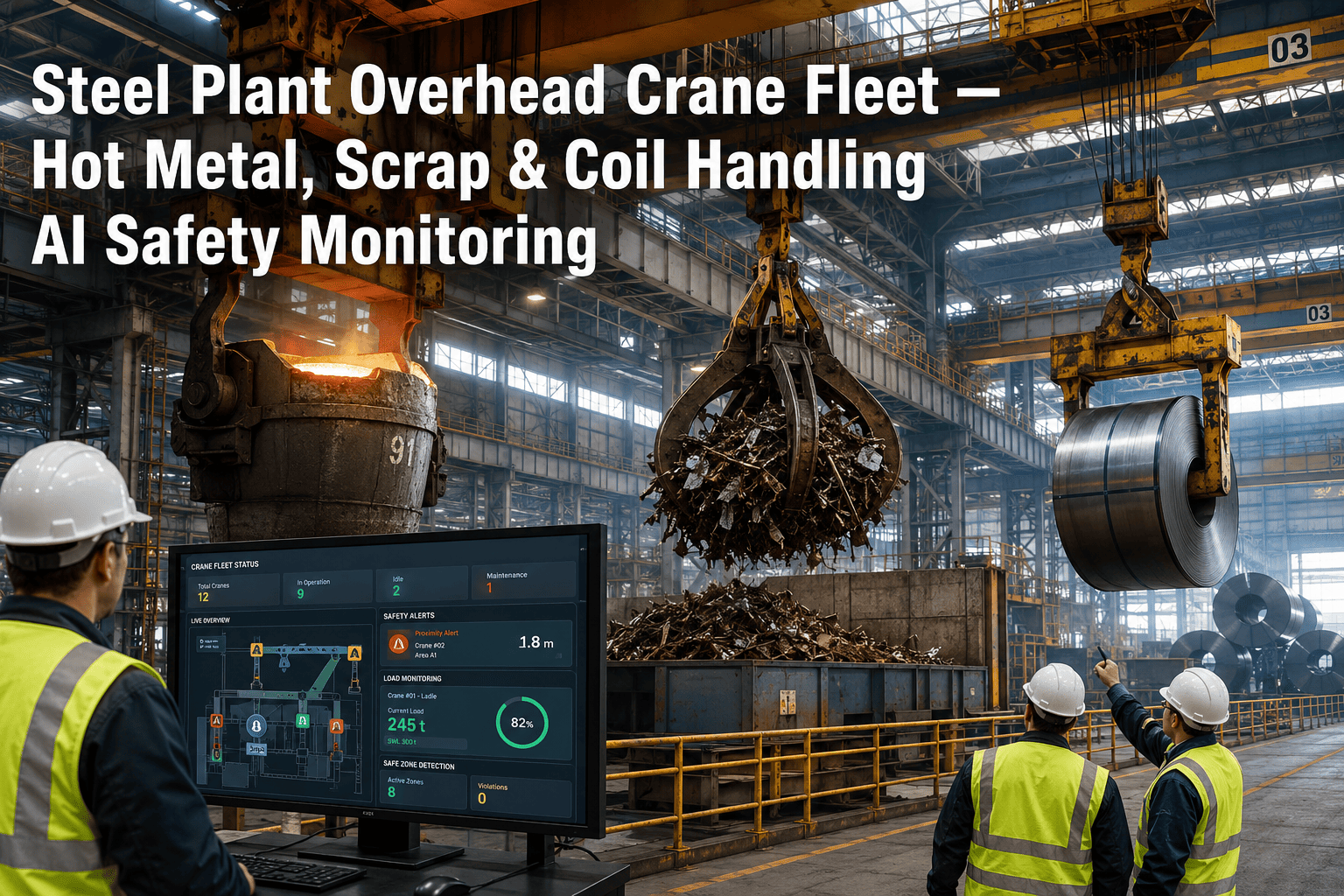
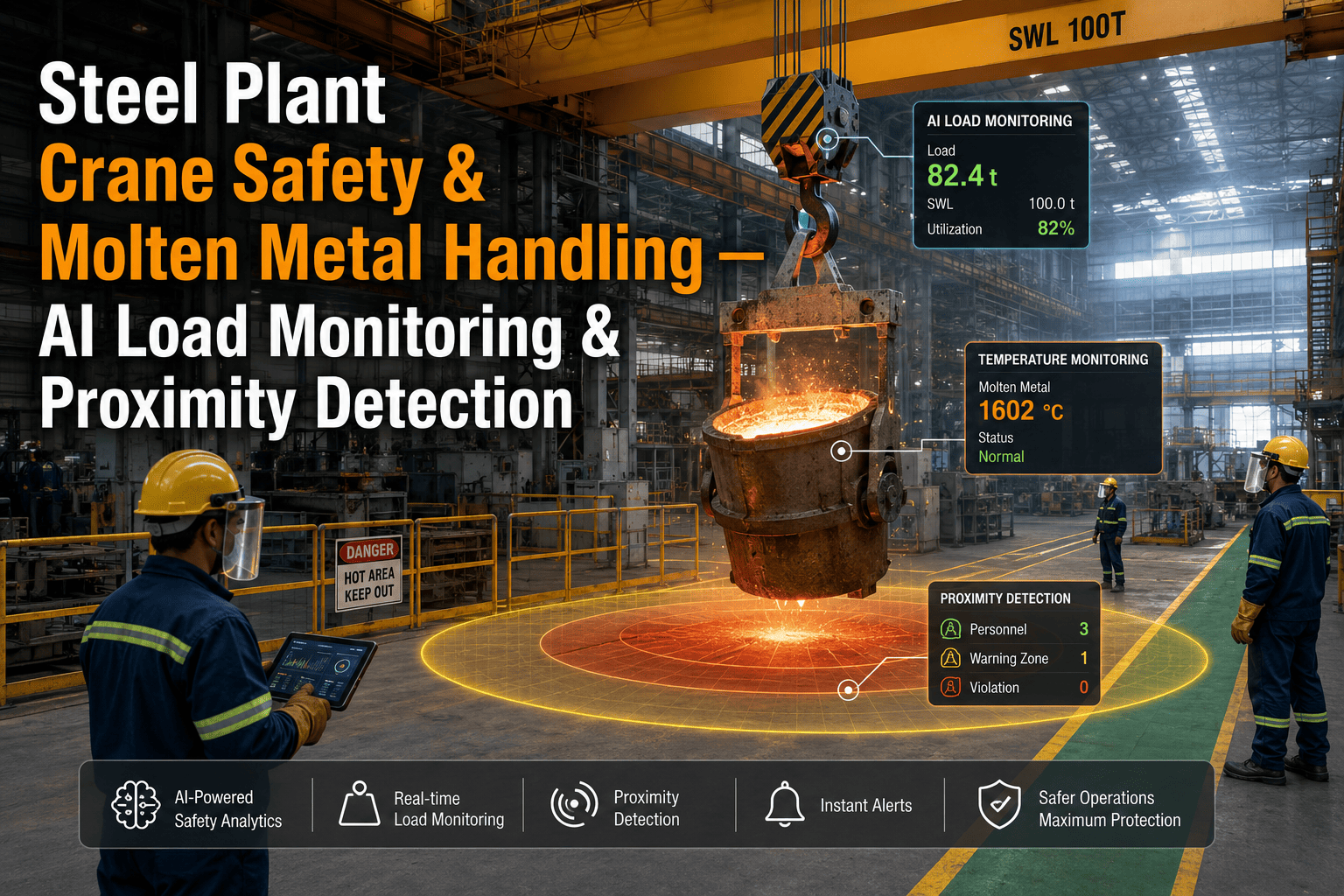
In the high-stakes environment of a steel plant scrap yard, the efficiency of material handling directly impacts the entire production chain. From receiving scrap metal to preparing and charging EAF and BOF furnaces, every step relies on a fleet of magnet cranes, grapple cranes, and specialized handling equipment. Yet, these assets are often managed reactively, leading to unexpected breakdowns, costly downtime, and safety hazards. This comprehensive guide explores how AI-driven predictive maintenance and real-time fleet monitoring can revolutionize scrap yard operations. We delve into the technical intricacies of magnet condition tracking, grapple wear analysis, and optimized charging logistics. For plant managers and maintenance directors seeking a competitive edge, understanding these advanced analytics is crucial. To see how iFactory can transform your yard, Book a Demo today and discover the future of smart material handling.
Transform Your Scrap Yard Operations
Leverage AI for real-time fleet visibility and predictive maintenance. Reduce unplanned downtime by 40%.
The Critical Role of Scrap Yard in Steel Production
The scrap yard is the lifeline of any steel plant, especially those utilizing electric arc furnaces (EAF) or basic oxygen furnaces (BOF). The quality, consistency, and timeliness of scrap preparation directly influence melt shop efficiency, energy consumption, and final product quality. A single crane failure can halt charging operations, costing thousands per minute in lost production. Traditional reactive maintenance strategies are no longer viable. AI-powered monitoring systems provide continuous health assessment of critical components, enabling proactive interventions. By analyzing vibration patterns, temperature fluctuations, and usage cycles, these systems predict failures before they occur. This shift from reactive to predictive maintenance is not just a cost-saving measure; it is a strategic imperative for maintaining competitive advantage in the global steel market.
Understanding Scrap Yard Assets: Magnet and Grapple Cranes
Magnet cranes are indispensable for handling ferrous scrap, using powerful electromagnets to lift and transport heavy loads. Grapple cranes, on the other hand, are used for mixed or non-ferrous scrap, employing hydraulic claws to grasp and sort materials. Both types face extreme operating conditions: high duty cycles, impact loads, dust, and temperature extremes. Common failure points include magnet coil burnout, grapple jaw wear, hoist brake degradation, and electrical system faults. AI-driven condition monitoring uses sensors to track parameters like current draw, hydraulic pressure, vibration signatures, and thermal profiles. Machine learning models trained on historical failure data can identify early warning signs, such as a gradual increase in motor temperature indicating bearing wear. This granular insight allows maintenance teams to schedule repairs during planned outages, avoiding catastrophic failures.
Sensor Deployment
Install IoT sensors on crane motors, gearboxes, magnets, and grapples. Collect vibration, temperature, and current data at 1-second intervals.
Data Aggregation & Edge Processing
Edge gateways pre-process data locally, reducing latency and bandwidth. Anomaly detection algorithms run in real-time to flag critical deviations.
AI Model Training
Historical failure data trains predictive models to recognize patterns leading to component failure. Models are continuously refined with new data.
Actionable Insights
Dashboards display real-time health scores, remaining useful life (RUL) estimates, and recommended actions. Alerts are sent to mobile devices.
Comparative Analysis: Traditional vs. AI-Powered Scrap Yard Management
| Parameter | Traditional Approach | AI-Powered Approach |
|---|---|---|
| Maintenance Strategy | Reactive / Time-based | Predictive / Condition-based |
| Data Collection | Manual logs, periodic inspections | Continuous sensor data, real-time |
| Failure Detection | After occurrence | Before occurrence (up to 3 weeks advance) |
| Downtime Impact | Unplanned, high cost | Planned, minimal disruption |
| Spare Parts Management | Stock high inventory | Just-in-time, based on predictions |
| Safety Risk | Higher due to unexpected failures | Lower with proactive alerts |
Magnet Condition Tracking: Preventing Coil Burnout and Lift Failures
Electromagnets are the heart of scrap handling. Coil insulation degradation, shorted turns, or thermal overload can cause sudden loss of magnetic force, dropping loads and endangering personnel. AI-driven magnet monitoring tracks coil resistance, temperature, and current draw in real-time. A gradual increase in temperature under constant load may indicate deteriorating insulation. Machine learning models can predict remaining useful life (RUL) of the magnet, allowing replacement during scheduled downtime. Additionally, monitoring the magnet's lift capacity over time helps detect changes in scrap composition or magnet efficiency. This data feeds into the broader fleet management system, optimizing crane assignments based on magnet health and scrap type. For example, a crane with a weakening magnet can be assigned to lighter loads until maintenance is performed, preventing catastrophic failure.
Grapple Jaw Wear Analysis
Grapple jaws experience abrasive wear from scrap contact. AI models analyze hydraulic pressure cycles and jaw closing speed to estimate wear. When wear exceeds threshold, maintenance is scheduled. This prevents dropped loads and extends grapple life.
Hoist Brake Health Monitoring
Hoist brakes are critical for load holding. Sensors monitor brake pad thickness, hydraulic pressure, and actuation time. AI detects anomalies like uneven wear or sticking, enabling proactive replacement before failure.
Electrical System Fault Prediction
Crane electrical systems are prone to faults from dust and vibration. AI analyzes current harmonics, voltage spikes, and contactor wear. Early detection of arcing or insulation breakdown prevents electrical fires and unplanned outages.
Structural Integrity Monitoring
Fatigue cracks in crane booms and frames can lead to collapse. Strain gauges and vibration analysis provide data for AI models to assess structural health. Alerts are generated when stress patterns indicate developing cracks.
Optimizing Charging Logistics for EAF and BOF Operations
Efficient scrap charging is crucial for furnace productivity. AI systems analyze scrap yard inventory, crane availability, and furnace schedule to optimize charging sequences. By predicting crane travel times and magnet cycle durations, the system can minimize furnace idle time. For BOF operations, scrap quality and density directly affect thermal balance. AI models can recommend scrap blends that optimize energy consumption and yield. Real-time tracking of scrap piles using computer vision (without images) combined with crane sensor data enables precise inventory management. This reduces the need for manual surveys and prevents charging errors. The result is a lean, just-in-time scrap supply chain that maximizes throughput and minimizes energy costs.
Ready to Revolutionize Your Scrap Yard?
Implement AI-driven fleet management and predictive maintenance. See immediate ROI in reduced downtime and improved safety.
Data-Driven Decision Making: Dashboards and KPIs
Centralized dashboards provide a holistic view of scrap yard operations. Key performance indicators (KPIs) include crane utilization, magnet health score, grapple wear index, and charging cycle time. AI-generated insights highlight underperforming assets or bottlenecks. For example, if a particular crane consistently has lower utilization, the system may suggest reassigning its tasks or investigating operator training needs. Predictive maintenance KPIs, such as remaining useful life (RUL) and probability of failure within 30 days, empower maintenance teams to prioritize interventions. These dashboards are accessible on desktop and mobile, ensuring that plant managers and maintenance directors have real-time visibility from anywhere. The data also feeds into enterprise resource planning (ERP) systems for automated work order generation and spare parts procurement.
Integration with Existing Plant Systems
AI scrap yard management solutions must seamlessly integrate with existing MES, ERP, and CMMS platforms. Open APIs enable data exchange without disrupting current workflows. For example, when the AI predicts a magnet failure, it can automatically create a work order in the CMMS and notify the maintenance team. Integration with the furnace control system allows real-time adjustment of charging schedules based on crane availability. This interoperability ensures that the AI system enhances, rather than replaces, existing investments. iFactory’s platform is designed for easy integration with major industrial protocols, including OPC-UA, Modbus, and MQTT, ensuring compatibility with a wide range of legacy equipment.
Case Study: Real-World Impact at a Major Steel Mill
A leading North American steel producer implemented iFactory’s AI solution across its scrap yard fleet of 12 cranes. Within six months, unplanned downtime dropped by 45%, saving over $2 million annually in lost production. Magnet coil failures were predicted an average of 14 days in advance, allowing scheduled replacements during planned outages. Grapple jaw wear monitoring extended component life by 30% by optimizing replacement timing. The charging logistics optimization module reduced furnace idle time by 18%, directly increasing throughput. The plant’s maintenance director reported a significant improvement in team morale, as they shifted from firefighting to strategic planning. This case exemplifies the transformative power of AI in heavy industrial environments.
Implementation Roadmap: From Assessment to Optimization
Deploying AI-powered scrap yard management involves several phases. First, a thorough assessment of existing assets, data availability, and network infrastructure. Next, sensor installation and edge computing setup. Then, model training using historical data and continuous refinement. Finally, dashboard deployment and user training. The entire process typically takes 8-12 weeks, with initial insights available within the first month. iFactory provides dedicated support throughout, ensuring minimal disruption to operations. The platform is scalable, allowing additional cranes or yards to be added as needed. Regular model updates ensure that predictive accuracy improves over time, adapting to changing scrap types and operating conditions.
Frequently Asked Questions
What types of sensors are used for crane monitoring?
We deploy vibration sensors, temperature probes, current transducers, and hydraulic pressure sensors. These are ruggedized for harsh environments and communicate via wireless protocols. Data is collected at high frequency and processed at the edge. For more details, visit our support page.
Can the system integrate with our existing CMMS?
Yes, our platform offers open APIs and pre-built connectors for major CMMS systems like SAP, Maximo, and Infor. Work orders can be automatically generated based on AI predictions. For integration guidance, Book a Demo with our team.
How accurate are the failure predictions?
After initial training, our models achieve over 90% accuracy in predicting failures within a 7-day window. Accuracy improves over time as more data is collected. We continuously validate predictions against actual outcomes. For case studies, contact us via support.
What is the typical ROI timeline?
Most clients see a full return on investment within 12-18 months, driven by reduced downtime, lower maintenance costs, and increased throughput. Some achieve ROI in under 12 months. To calculate your potential savings, Book a Demo.
Is the solution suitable for small scrap yards?
Absolutely. The platform is modular and scalable. Smaller yards can start with monitoring just a few critical assets and expand over time. Our pricing is flexible to fit various budgets. For a customized quote, Book a Demo.
Take Control of Your Scrap Yard Operations
Join industry leaders who have transformed their material handling with AI. Achieve unprecedented reliability and efficiency.