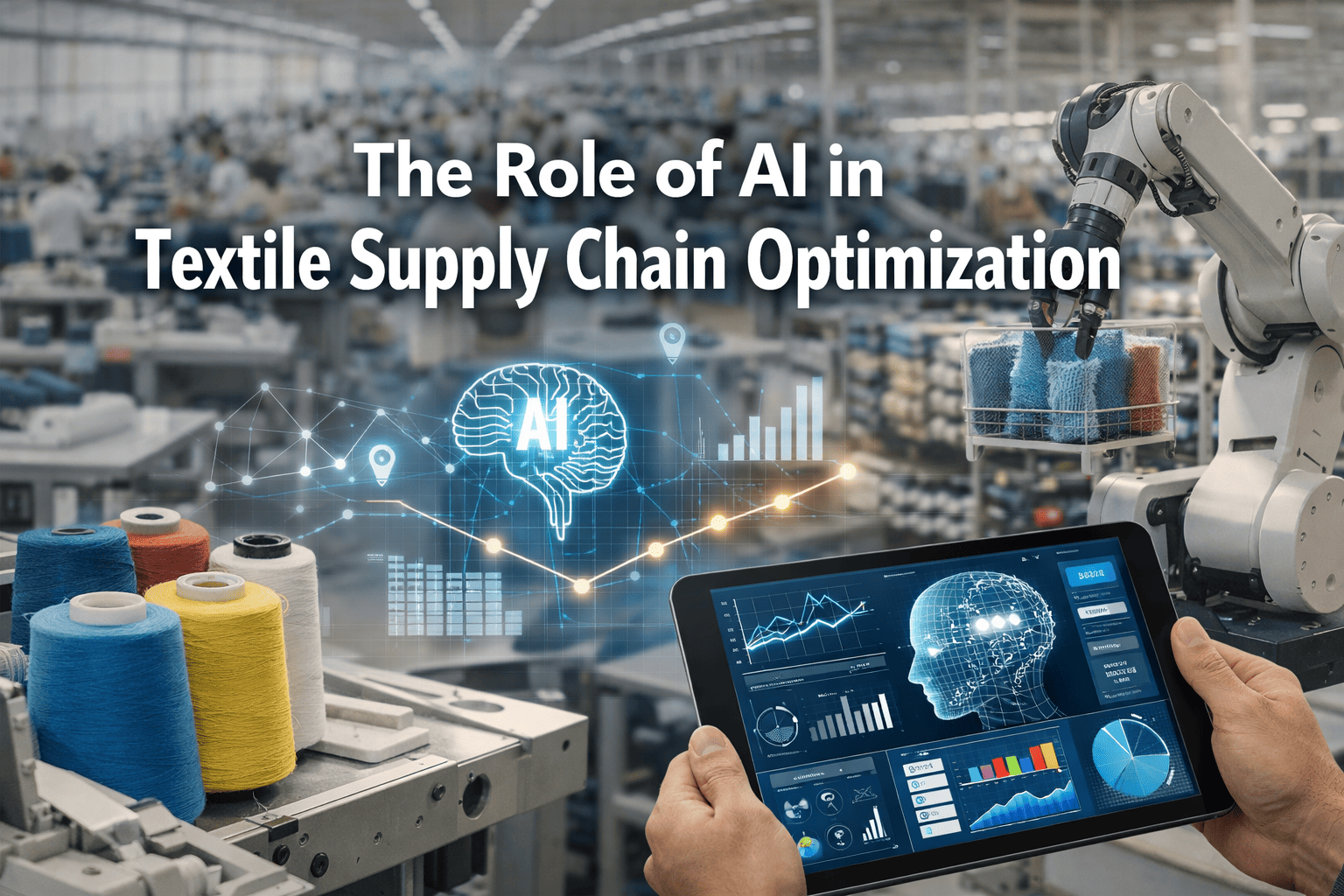
The textile industry is undergoing a fundamental transformation — and artificial intelligence is at the center of it. From raw material sourcing to last-mile delivery, AI is reshaping how textile manufacturers plan, produce, and distribute goods. Whether you run a spinning mill, a garment export house, or a fully integrated textile complex, the pressure to reduce costs, improve delivery accuracy, and meet buyer compliance requirements has never been greater. Book a free demo with iFactory to see how AI-powered supply chain tools are already working inside textile factories like yours.
How AI Is Quietly Fixing Textile Supply Chains
Smarter forecasting. Leaner inventory. Faster decisions. One intelligent platform connecting every node of your production network.
See iFactory in Action →Why Traditional Textile Supply Chains Break Down
Most textile supply chains still rely on spreadsheets, phone calls, and gut instinct. This works — until it doesn't. A delayed yarn shipment, a surprise buyer order, or a machine breakdown can cascade into missed deliveries and lost contracts. The core problem isn't effort — it's the absence of real-time intelligence.
The 5 Ways AI Transforms Textile Supply Chains
AI doesn't replace your team — it gives them superhuman visibility and decision speed. Here are the five highest-impact areas where AI is changing textile supply chain management right now.
Demand Forecasting
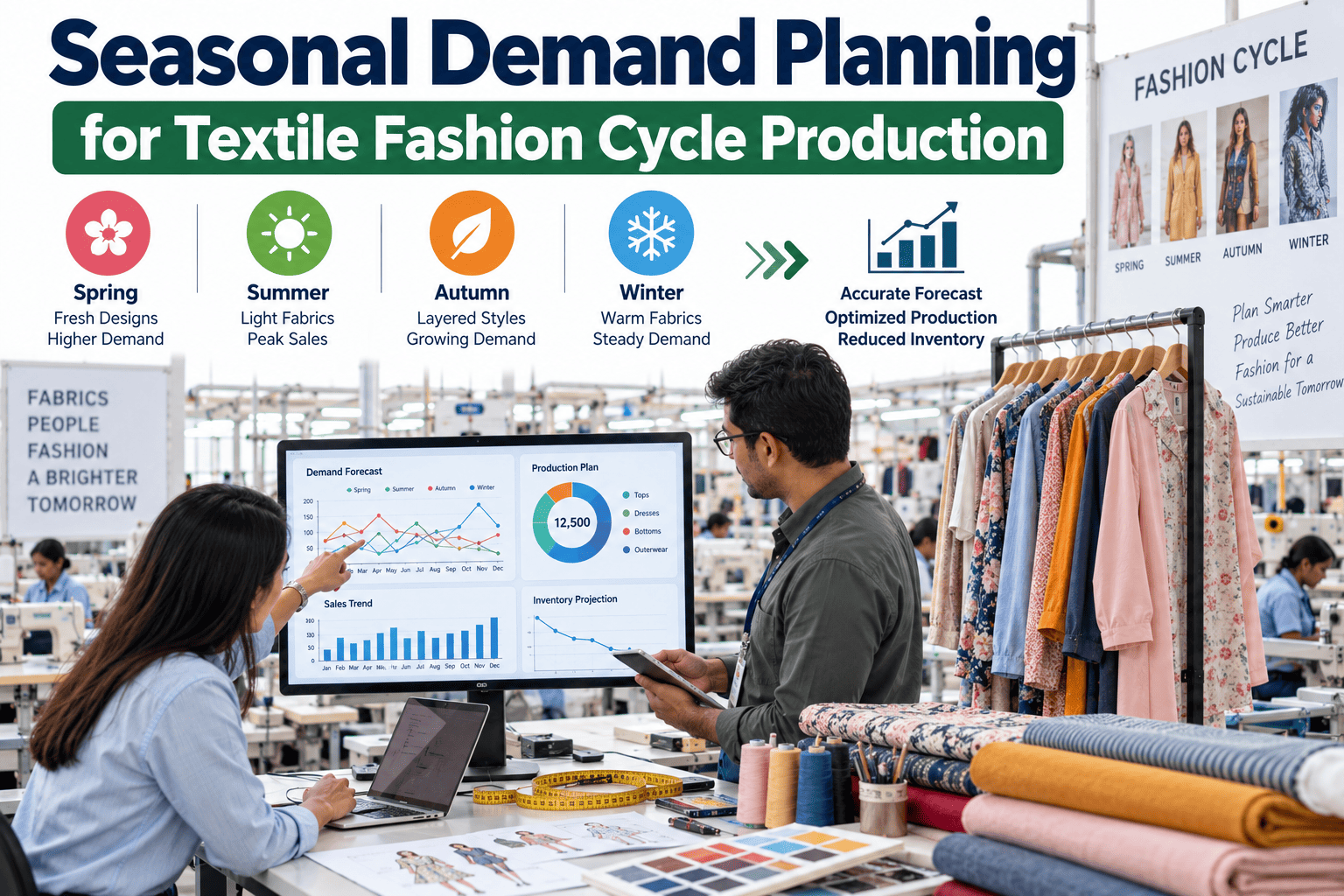
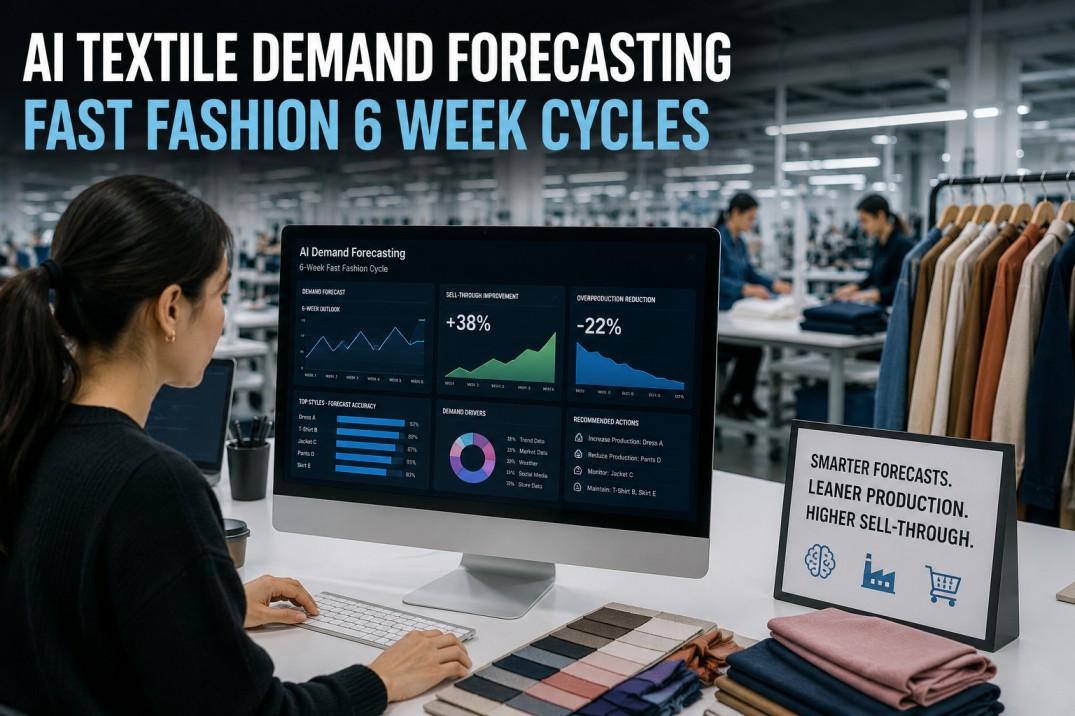
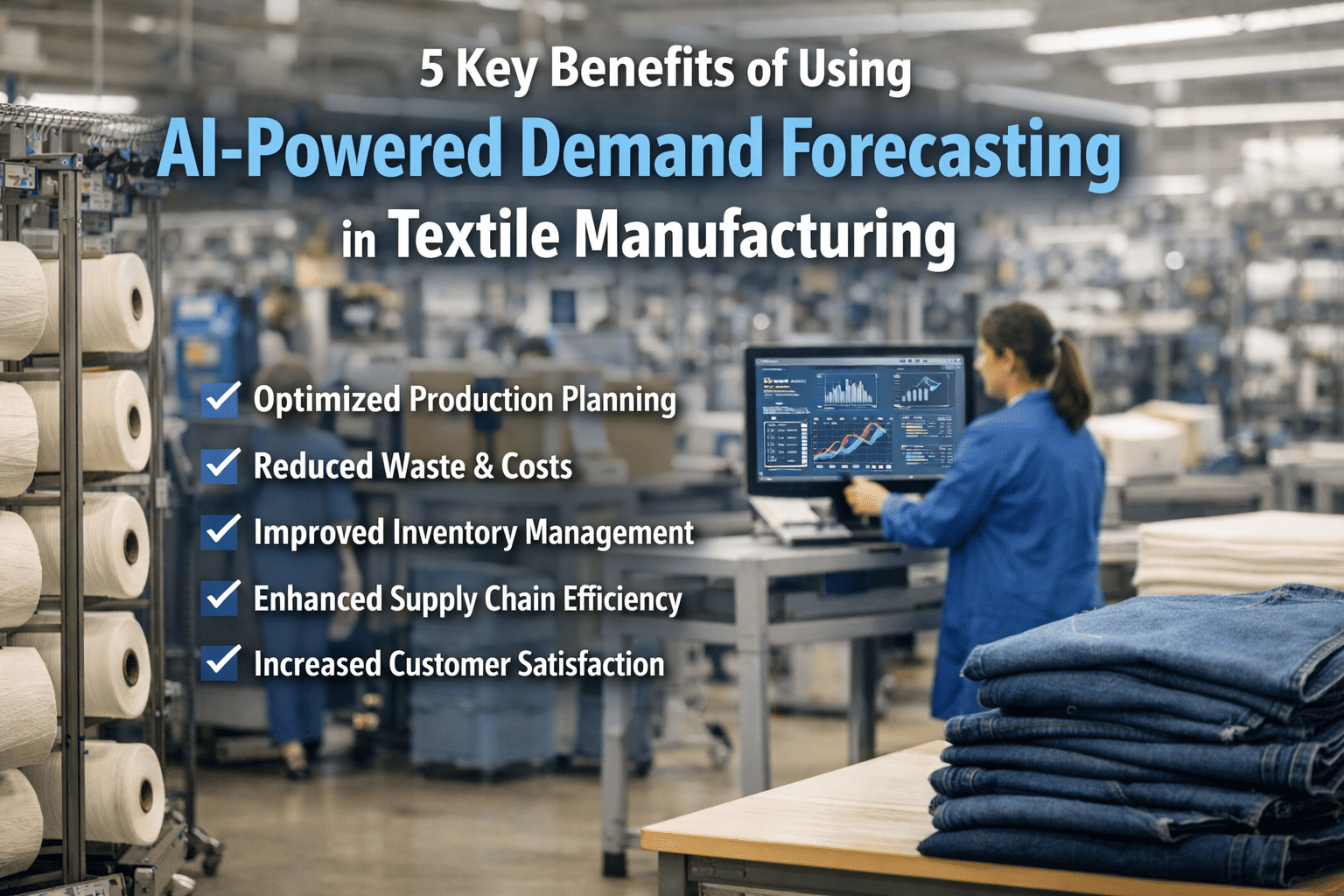
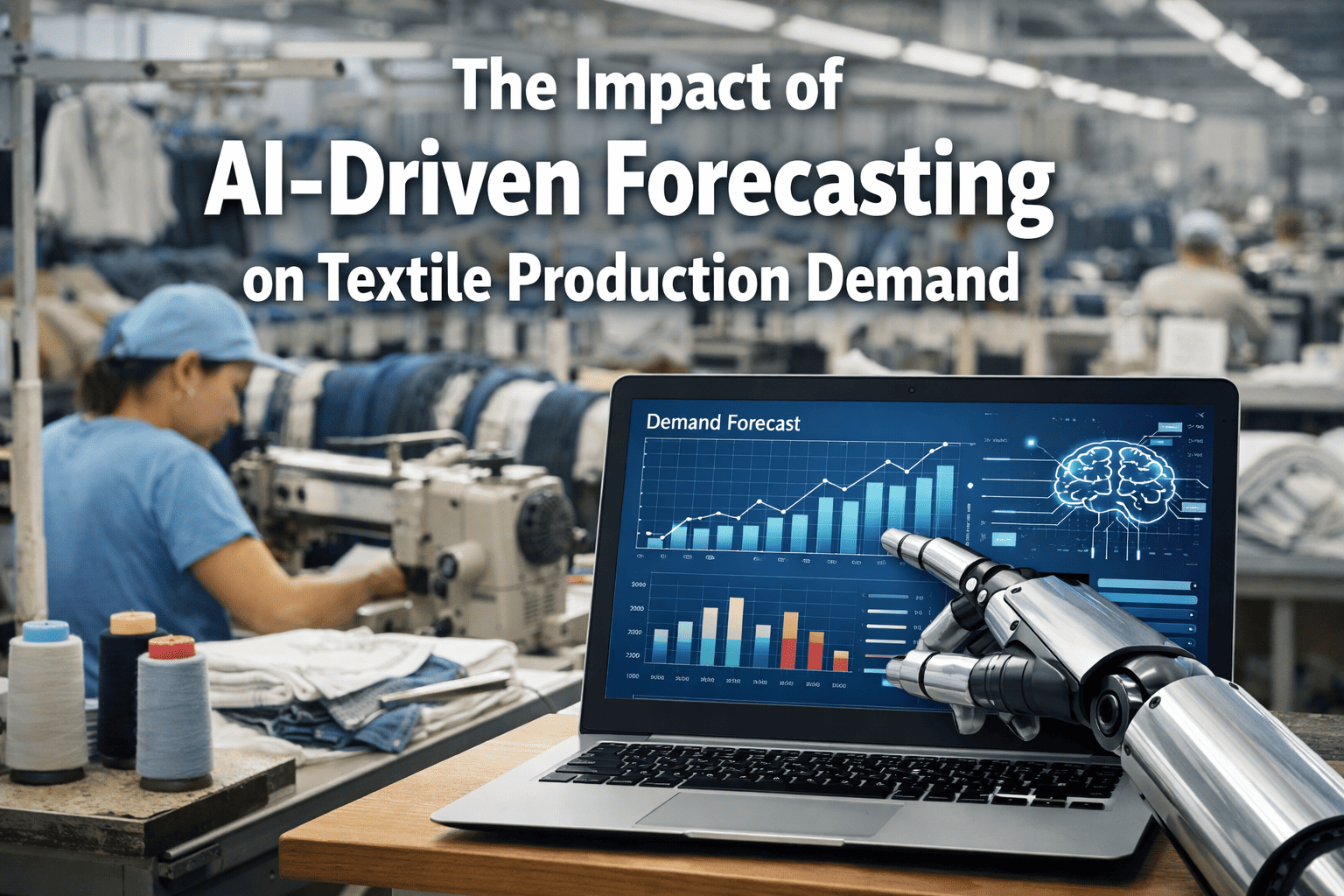
AI models analyze historical orders, seasonal patterns, buyer behavior, and even fashion trend signals to predict demand with up to 85% accuracy — far beyond what spreadsheet-based planning can achieve.
Smart Inventory Management
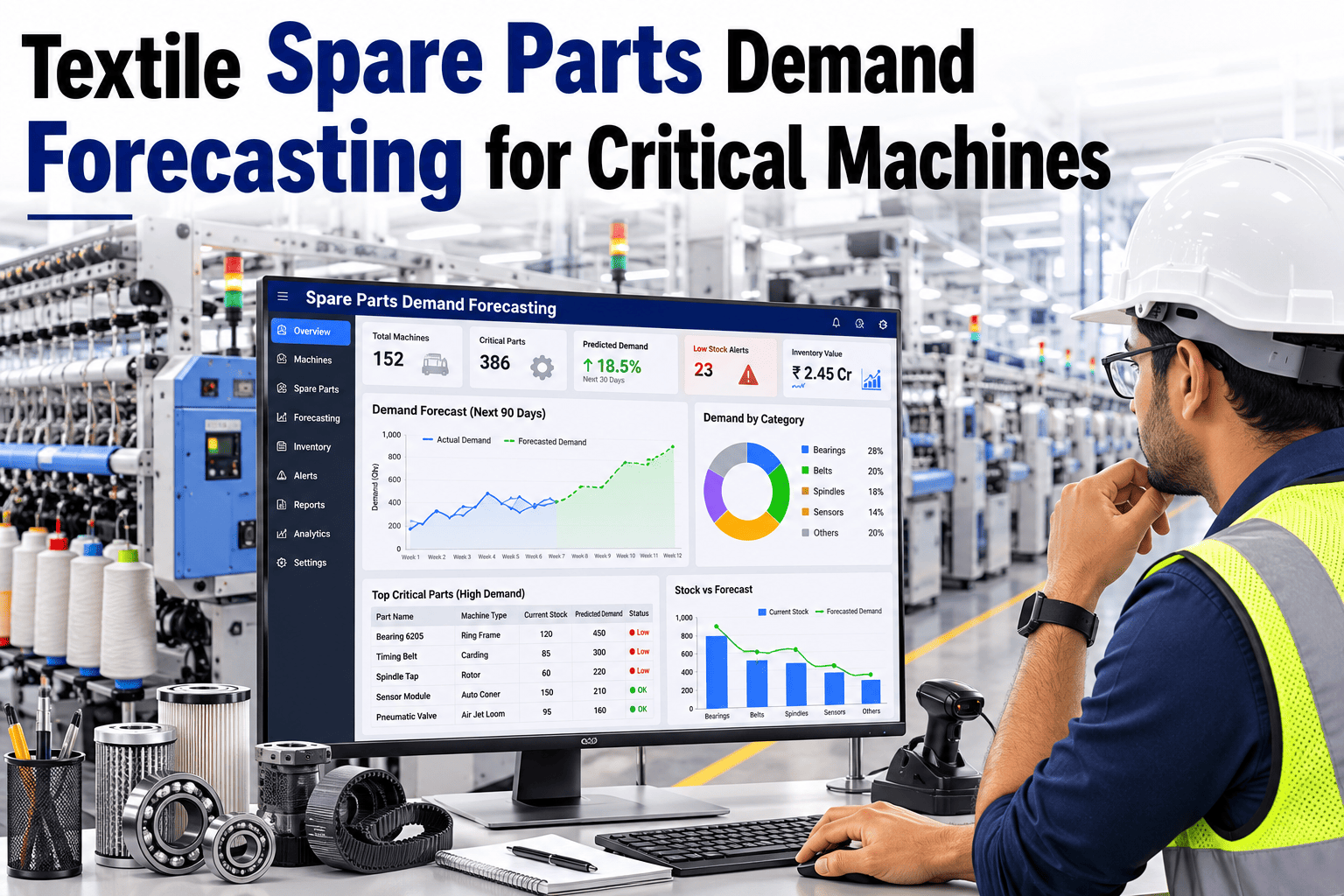
Dynamic reorder triggers and AI-optimized buffer stock levels ensure you never run short of yarn or dye chemicals — without overstocking costly raw materials in your warehouse.
Supplier Risk Intelligence
AI monitors supplier performance, delivery reliability, quality scores, and external signals like weather or port disruptions — alerting your procurement team before a delay becomes a crisis.
Production Scheduling Optimization
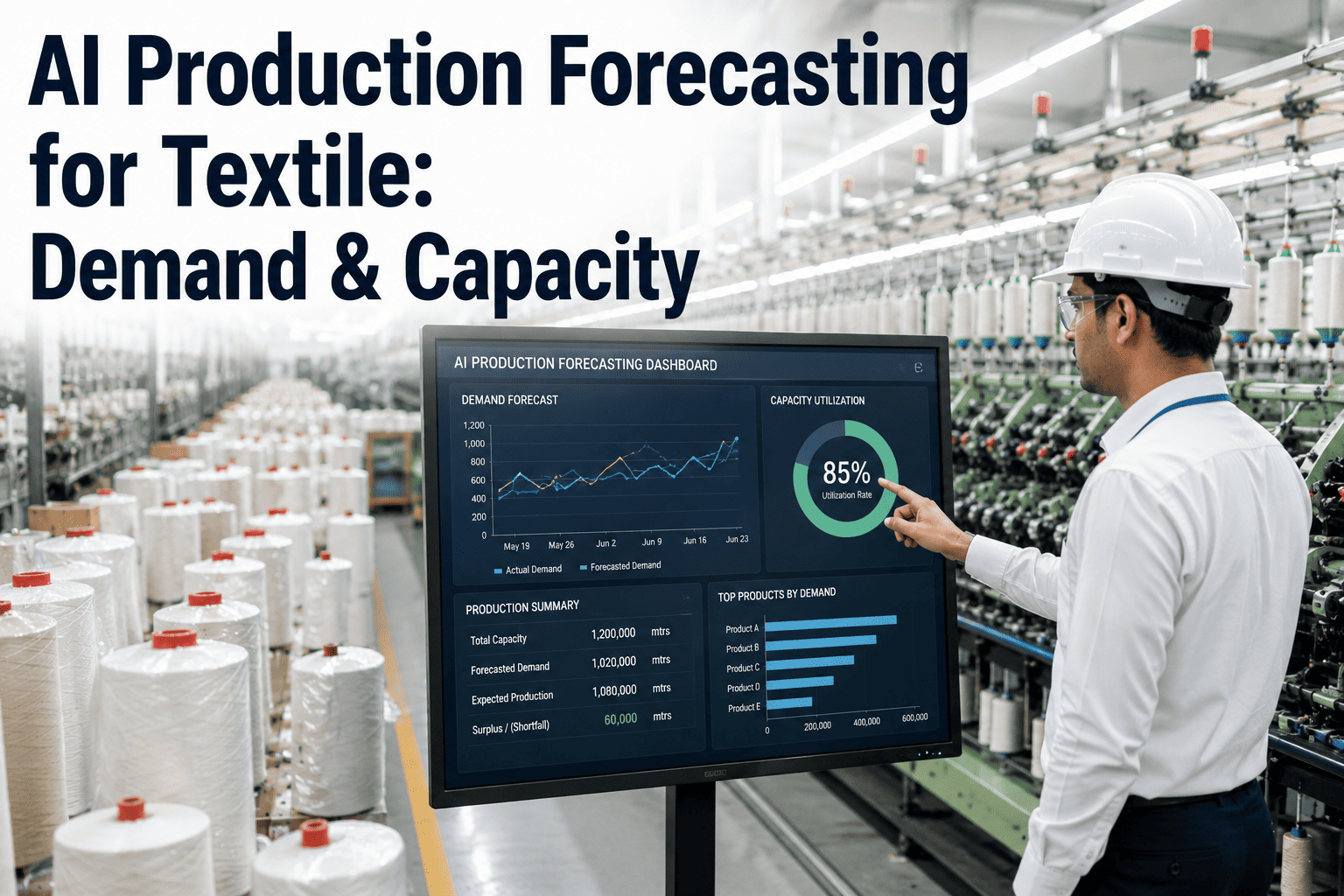
AI continuously rebalances your production schedule based on machine availability, order priority, material availability, and operator skill — eliminating idle time and overtime waste.
End-to-End Traceability & Compliance
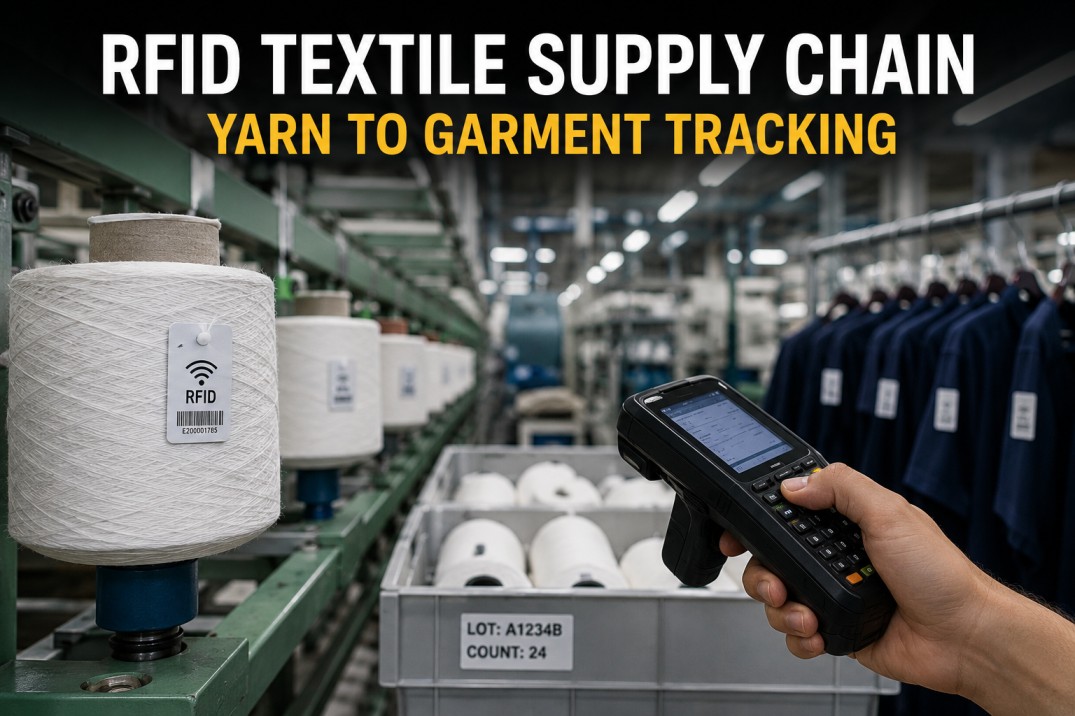
From fiber origin to finished garment, AI creates a complete digital thread — tracking every material lot, process step, and quality checkpoint. This is what global buyers increasingly require, and AI makes it automatic.
Ready to See AI Supply Chain Tools in Action?
iFactory's textile-native platform brings all five capabilities under one roof — built for spinning, weaving, dyeing, and finishing operations.
The AI Supply Chain Maturity Model for Textile Manufacturers
Not every factory is at the same stage. Here is a clear view of how textile manufacturers evolve from reactive operations to fully AI-driven supply chain intelligence.
Reactive
Paper records, manual reordering, reactive problem-solving. Most small mills today.
Digitized
ERP and spreadsheets in use, but still disconnected from the shop floor.
Connected
Real-time floor data feeding planning. Digital work orders. Supplier portals active.
AI-Driven
Predictive forecasting, auto-scheduling, supplier intelligence, full traceability.
Real Numbers: What AI Delivers in Textile Supply Chains
The business case for AI in textile supply chains is no longer theoretical. These are documented outcomes from mills and garment factories that made the transition.
AI in Action: A Day in an AI-Optimized Textile Factory
What does an AI-powered textile supply chain actually look like on a regular production day? Here is a concrete picture.
AI Generates Daily Production Plan
Overnight, AI cross-references open orders, available raw materials, machine maintenance windows, and shift rosters — and generates the optimal production schedule before the first operator arrives.
Supplier Delay Alert Detected
AI flags that a yarn supplier's delivery is 2 days late based on tracking data. It automatically suggests an alternative approved supplier and recalculates the affected work orders — no manual intervention needed.
Buyer Sends Rush Order
A priority order comes in. AI instantly re-ranks the production queue, reallocates two looms, and notifies the relevant operators — the entire floor adapts within minutes, not hours.
Quality Checkpoint Triggered
As dyeing completes, AI compares the shade reading against the buyer's approved standard. A minor deviation is flagged immediately — the batch is corrected before it enters finishing, saving a full rejection.
Automated Shift Report Generated
End-of-day: AI compiles output vs target, machine utilization, material consumed vs planned, and quality pass rates — a complete report delivered to management without a single manual entry.
What Textile Buyers Are Now Demanding
Global fashion brands and retail buyers are raising the bar on their suppliers. AI-powered supply chain tools are no longer optional for factories that want to retain or win premium accounts.
Factories that give us real-time production visibility get preferred vendor status. Those that can't are slowly phased out — it's that simple now.
Frequently Asked Questions
Give Your Supply Chain the Intelligence It Deserves
Join textile manufacturers across India, Bangladesh, and Turkey who are using iFactory to build supply chains that are faster, leaner, and resilient enough to handle whatever comes next.