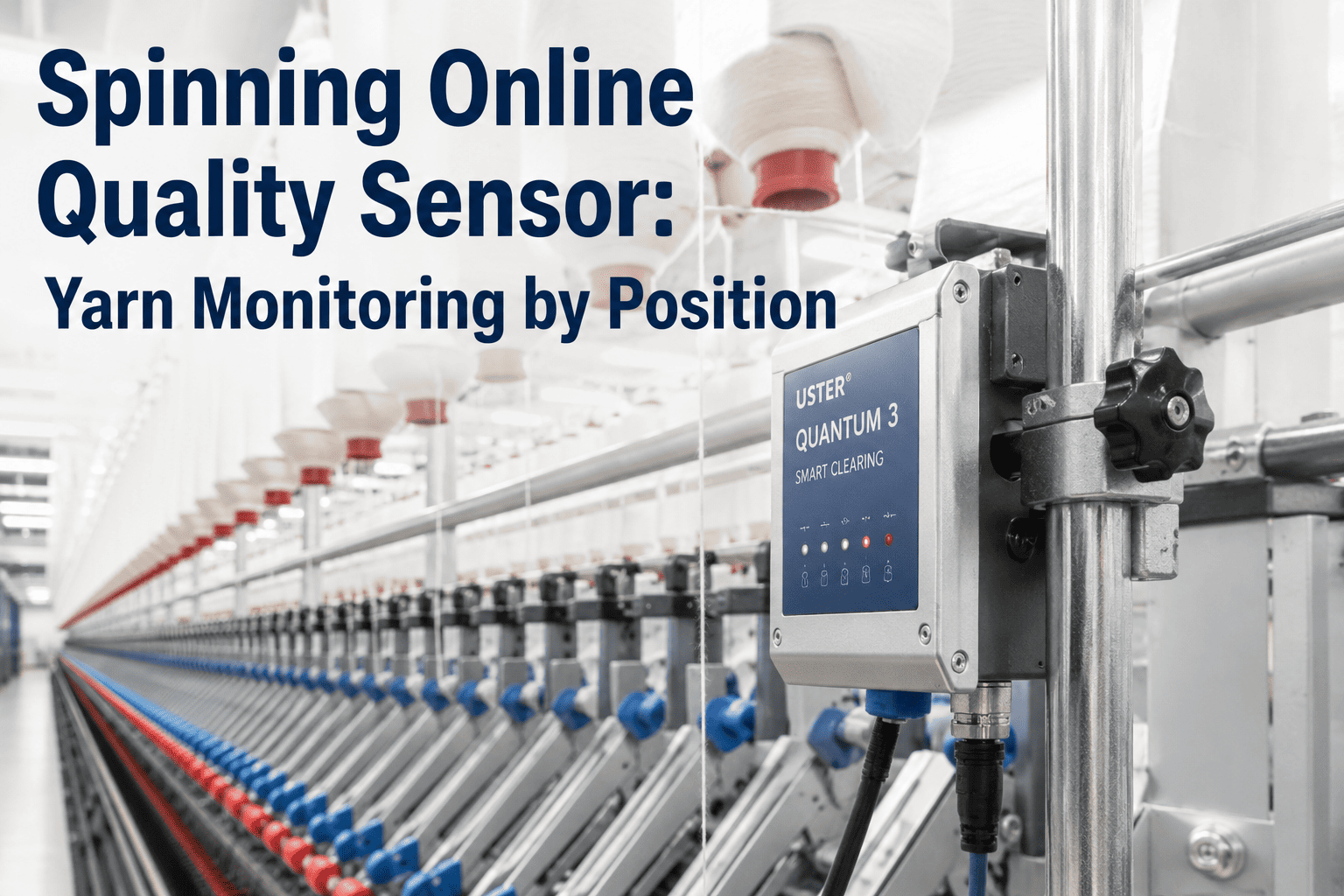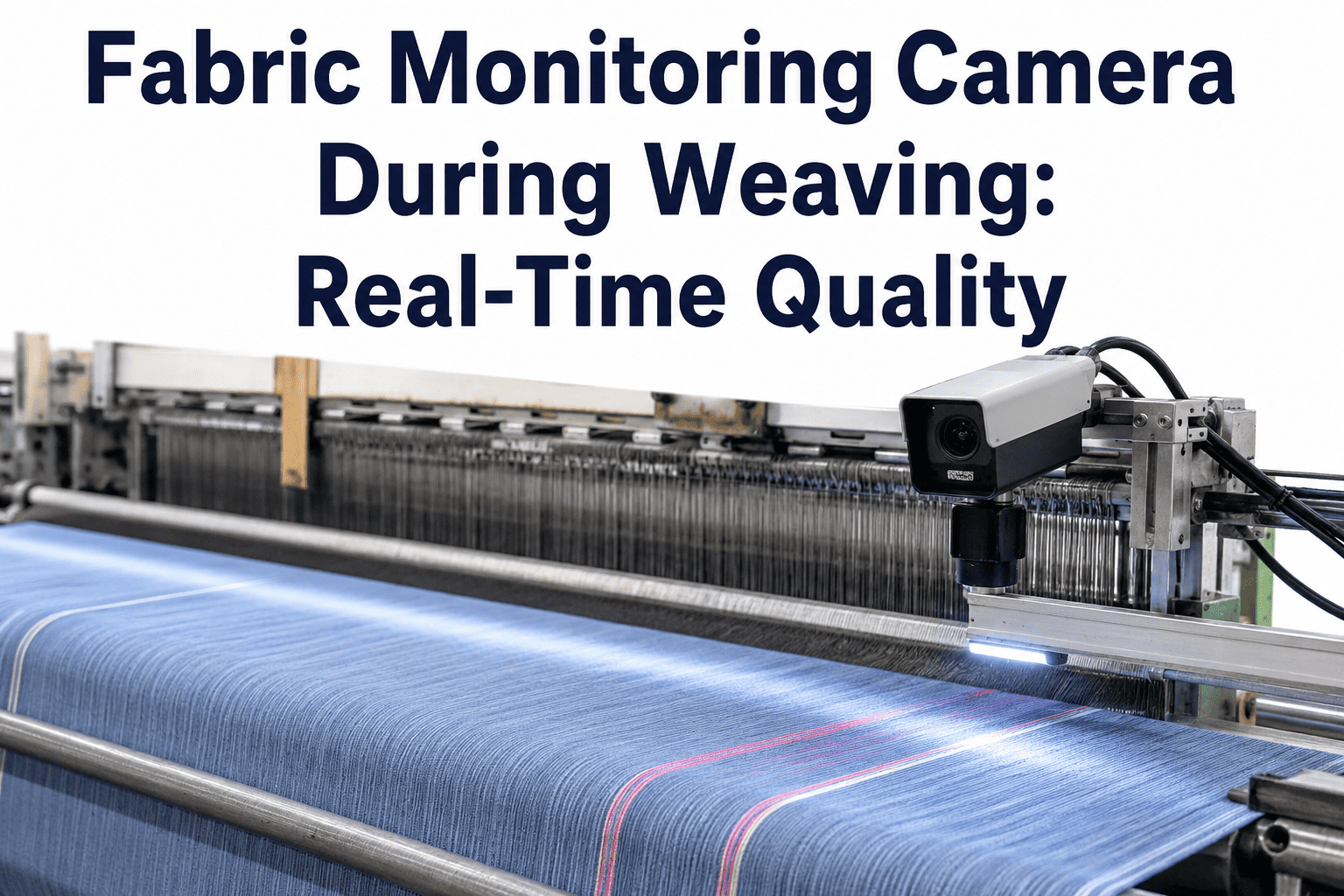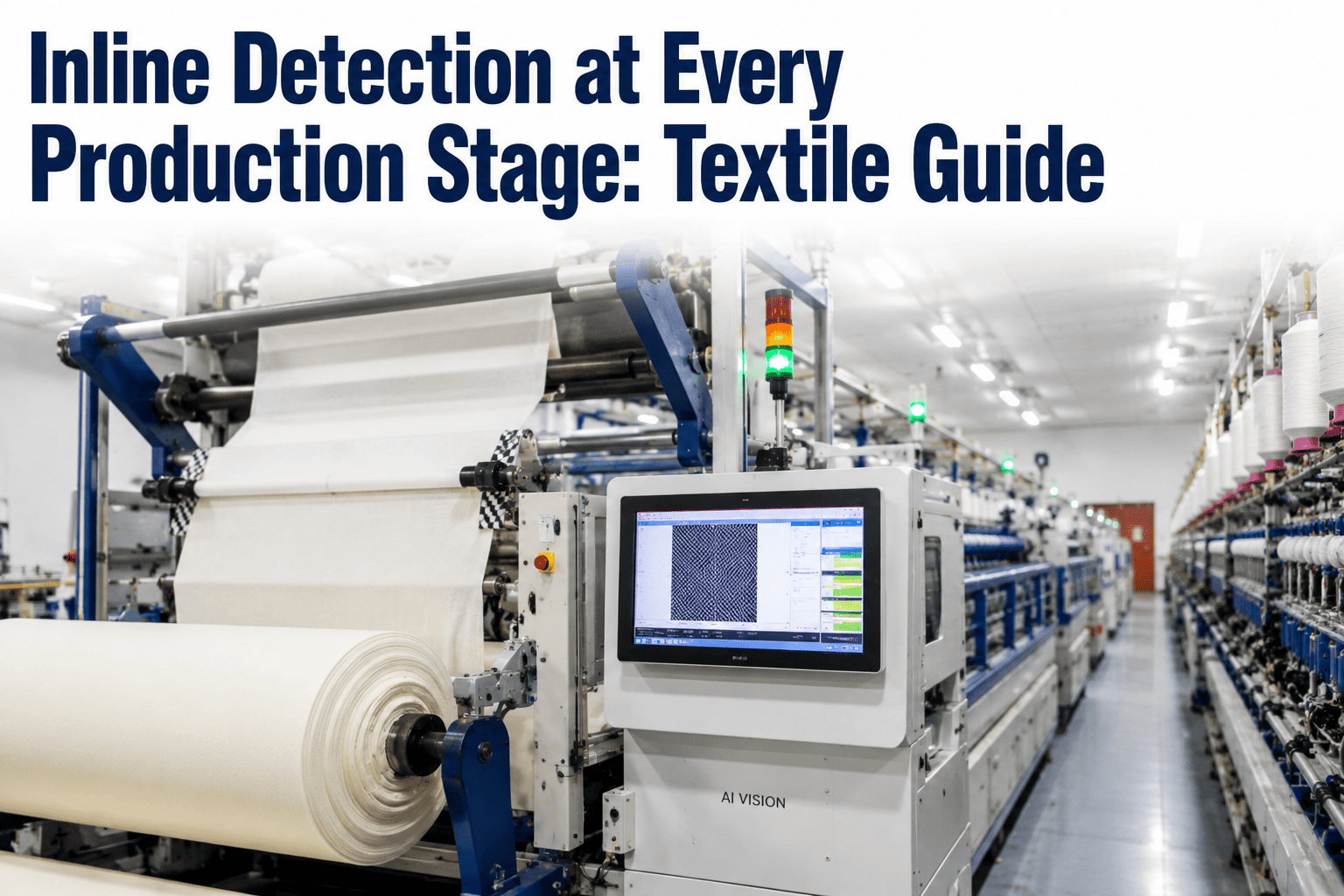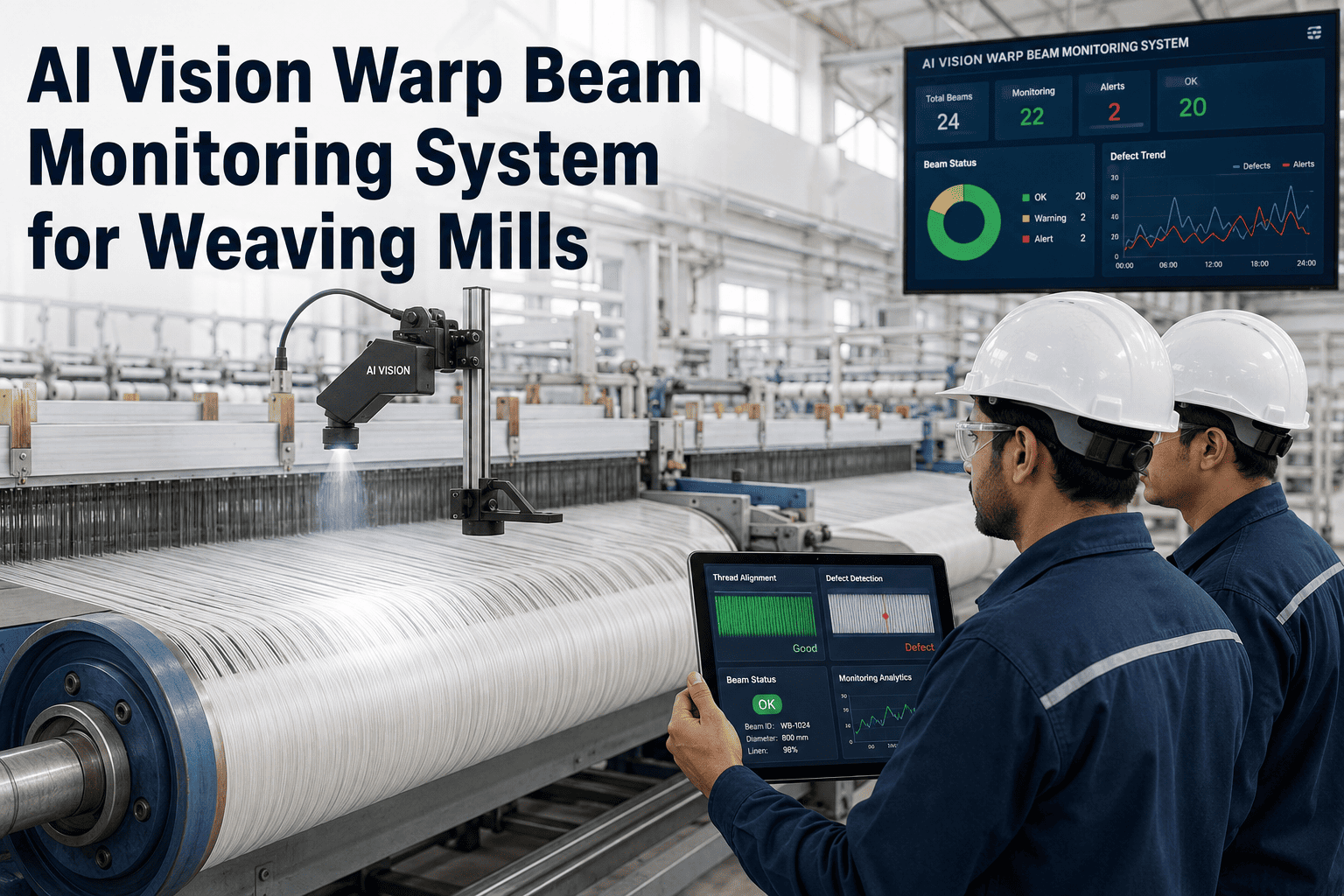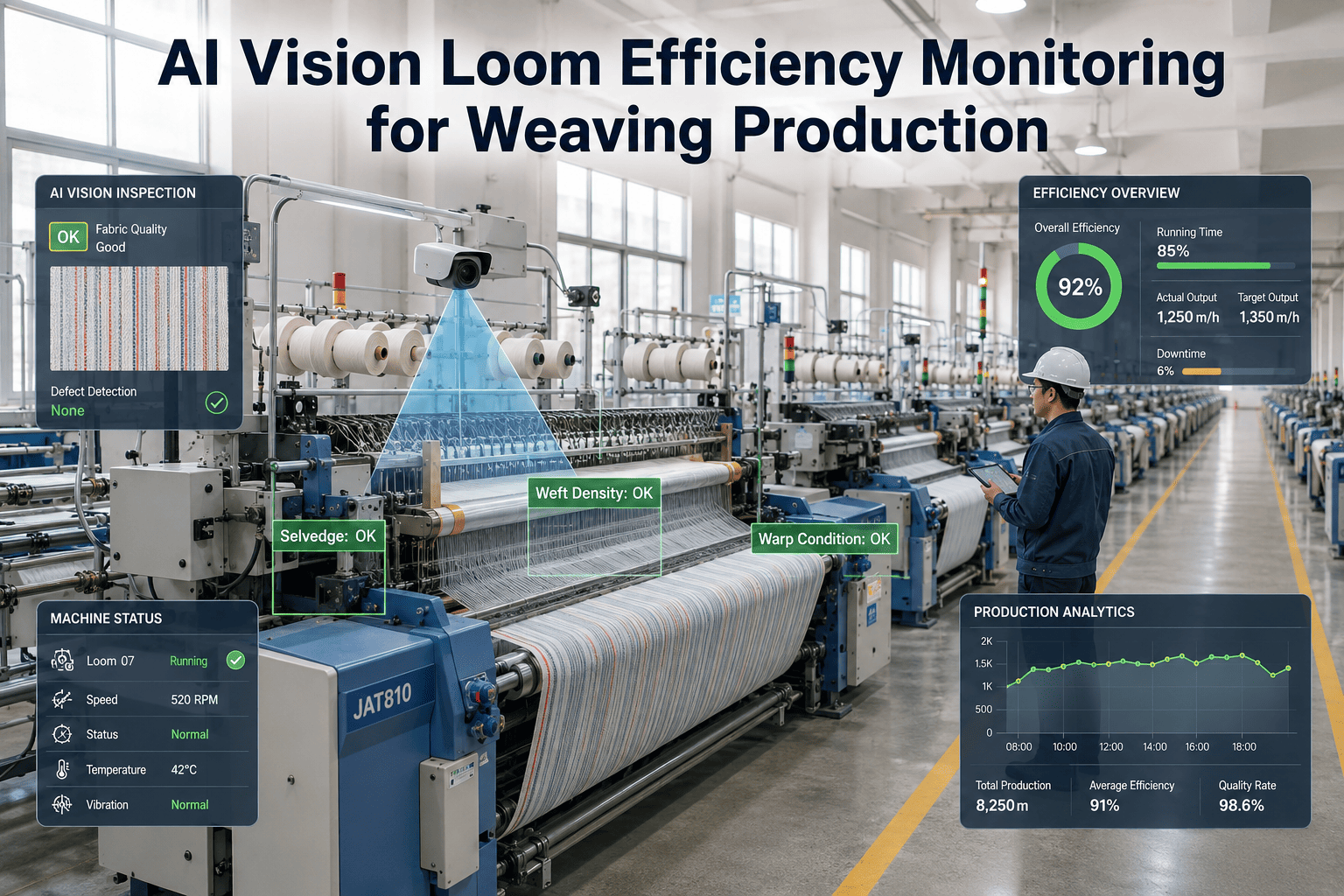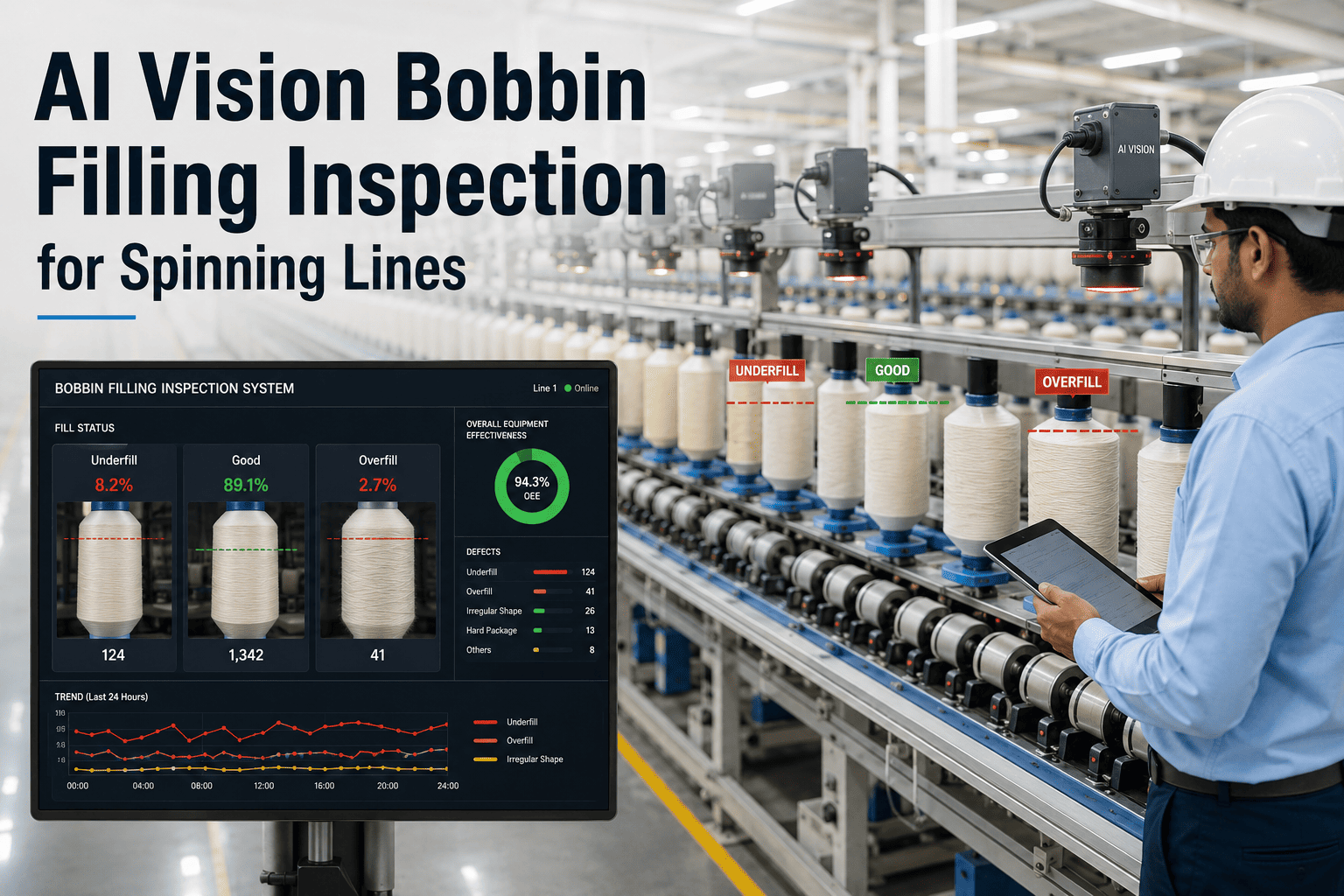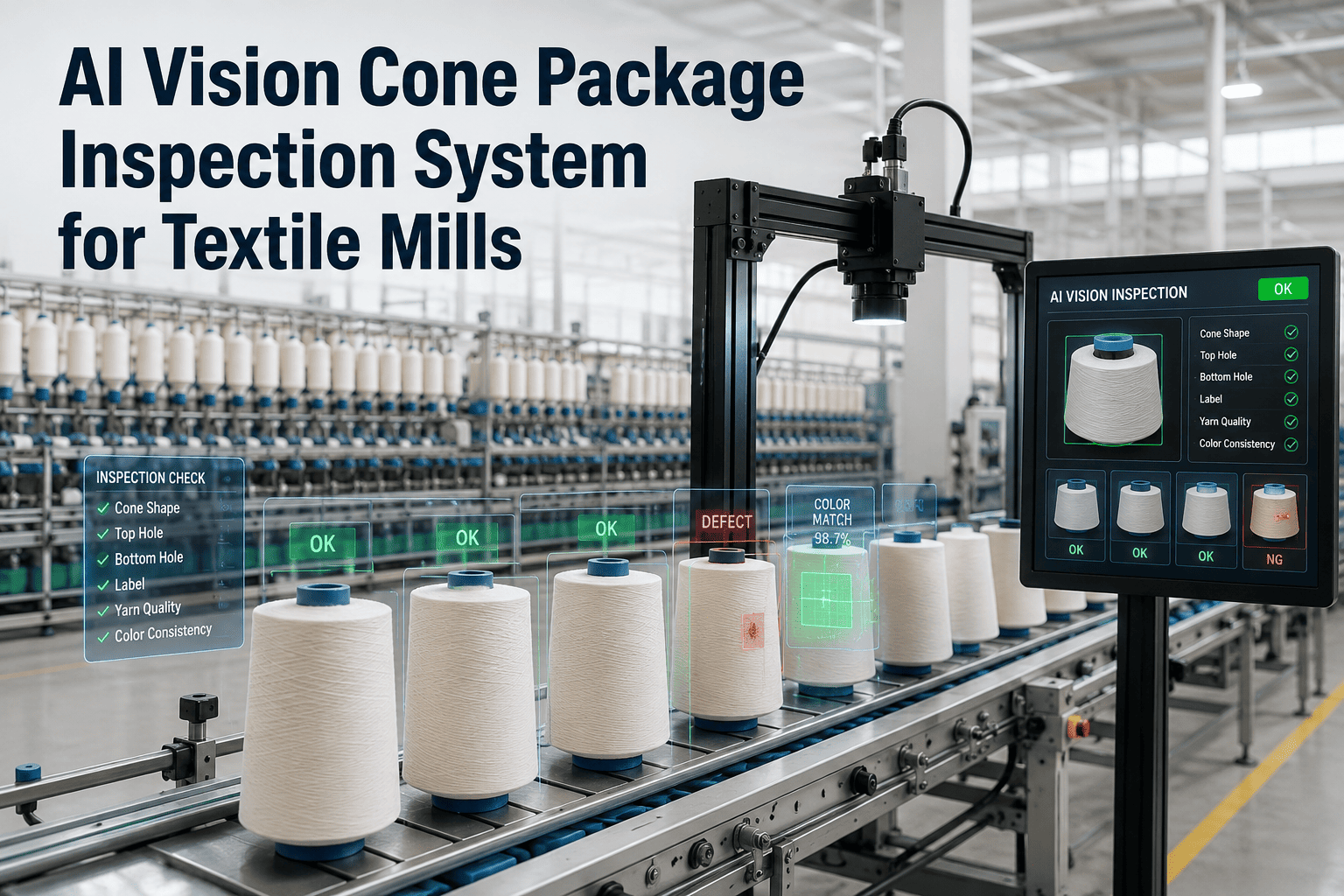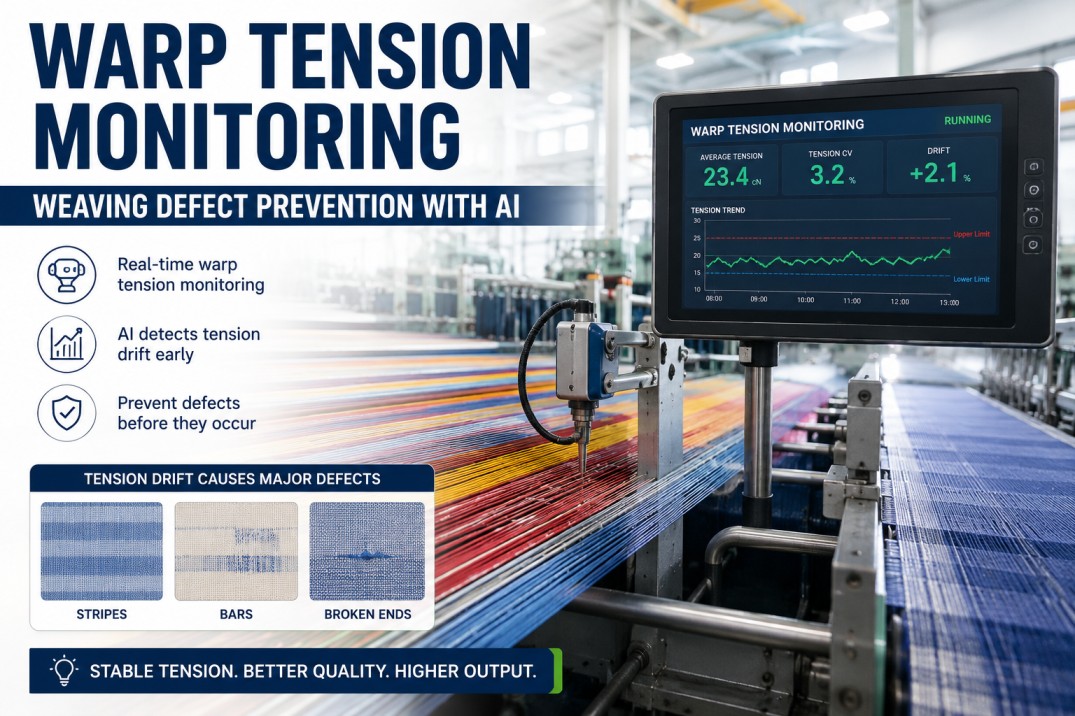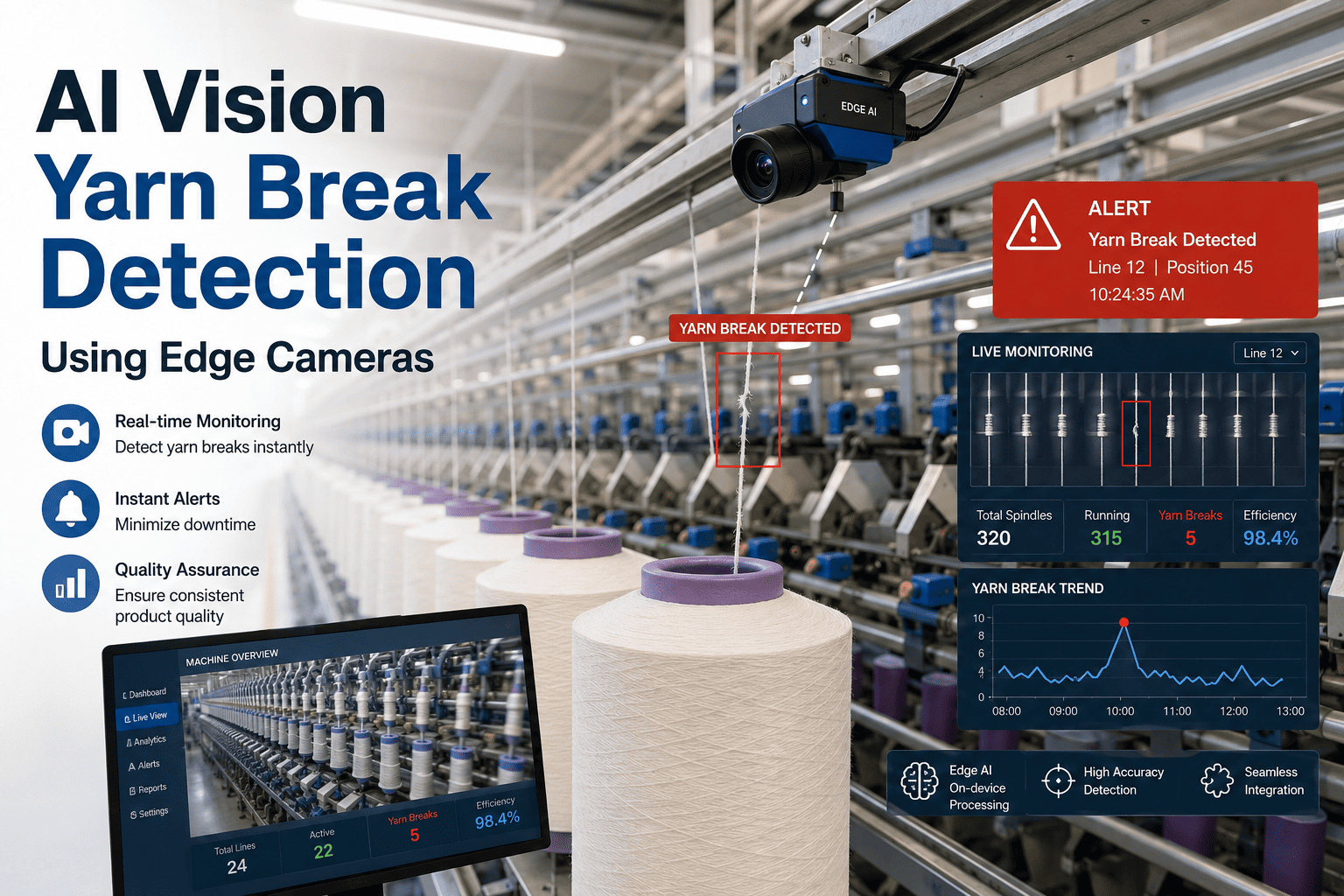
Yarn break detection in spinning and weaving has traditionally relied on manual observation and mechanical tension sensors that react only after damage is done. At production speeds of thousands of meters per minute, even seconds of undetected yarn break create defective fabric, wasted material, and costly stoppages. Edge AI cameras integrated with iFactory AI's vision platform detect yarn breaks at the point of occurrence with sub-second response, enabling intervention before defects propagate across ring spinning, open-end spinning, winding, and weaving lines. Book a Demo to see edge AI yarn break detection configured for your textile operations.
AI Vision Yarn Break Detection Using Edge Cameras
A complete technical guide to deploying edge AI camera systems for real-time yarn break detection across spinning, winding, and weaving operations — covering detection methodology, system architecture, performance benchmarks, and ROI analysis.
How Edge AI Cameras Detect Yarn Breaks in Real Time
Edge AI yarn break detection operates through a four-stage pipeline that runs entirely on the edge processing unit attached to each camera, eliminating dependency on cloud connectivity or central server availability for real-time detection. The system captures continuous high-resolution video frames of the yarn path, processes each frame through an optimized neural network trained specifically on yarn break patterns, classifies the break type and severity, and dispatches alerts to the operator within milliseconds. Because inference occurs on-device, the detection latency is governed by the edge processor speed rather than network round-trip time, ensuring consistent sub-second response regardless of facility network conditions.
The AI model is trained on thousands of annotated break events across different yarn types, counts, colors, and machine configurations, enabling it to distinguish between actual yarn breaks and normal yarn vibration, lint accumulation, or lighting variations that cause false triggers with conventional vision systems. iFactory AI's platform manages model deployment, version control, and performance monitoring across all edge devices in the facility from a central dashboard, while each edge unit operates independently for detection and alerting. Book a Demo to see the complete detection pipeline in action.
Industrial camera captures 30-60 frames per second of the yarn path using active infrared illumination that maintains consistent imaging regardless of ambient light variations across shift changes and seasons.
Each frame is processed through an optimized convolutional neural network running on the edge processor, analyzing yarn continuity, surface texture, and positional stability within 15-30 milliseconds per frame.
Detected anomalies are classified as end breaks, mid-yarn breaks, entanglements, or false positives, with confidence scoring that enables the system to filter low-confidence detections and minimize operator alert fatigue.
Confirmed breaks trigger immediate operator alerts through visual indicator lights, audible alarms, and HMI notifications with break location, type, and camera feed displayed for rapid intervention.
The Real Cost of Undetected Yarn Breaks in Textile Operations
Undetected yarn breaks represent one of the largest controllable losses in textile manufacturing, yet their total cost is frequently underestimated because the impact spreads across multiple cost categories — defective fabric, wasted raw material, unplanned downtime, rework labor, and customer quality claims. The visualization below illustrates how undetected yarn breaks contribute to each major loss category in a typical spinning and weaving facility, based on aggregated data from iFactory AI deployments across textile mills processing cotton, polyester, and blended yarns.
These loss categories are interconnected — a single undetected break in ring spinning contaminates the entire doff package, which then requires rework or disposal, creates unplanned downtime for doff removal and re-spinning, wastes raw yarn material, and if not caught before downstream processing, can create fabric defects that result in customer claims. iFactory AI's edge camera detection system addresses all four loss categories simultaneously by catching breaks at the point of occurrence before the cascading cost chain begins.
Edge AI Camera Detection vs Traditional Yarn Monitoring Methods
Traditional yarn break monitoring in textile mills relies primarily on mechanical tension sensors, photoelectric detectors, and manual operator patrolling — each method with fundamental limitations that edge AI camera systems are designed to overcome. The comparison below examines six critical detection performance dimensions where edge AI cameras deliver measurable advantages over conventional approaches.
Core Technology Components of the Yarn Break Detection System
The edge AI yarn break detection system comprises six integrated technology components that work together to deliver reliable, real-time detection across the full range of textile operating conditions. Each component is designed for industrial deployment with attention to environmental robustness, maintenance accessibility, and integration compatibility with existing mill infrastructure.
On-device neural network inference engine that processes camera frames locally without cloud dependency, ensuring consistent detection latency and operational continuity during network disruptions.
Industrial-grade optical system with adjustable focus and exposure, designed for yarn-level detail capture across varying yarn diameters from fine count Ne 80 to coarse count Ne 6.
Controlled IR lighting array that eliminates dependence on ambient light conditions, maintaining consistent image quality across day-night shift cycles and seasonal lighting variations.
Multi-channel notification system delivering break alerts through tower lights, audible alarms, HMI pop-ups, and mobile notifications with break location and classification data.
Centralized analytics interface tracking break frequency by frame, shift, yarn type, and operator, enabling root cause analysis and preventive maintenance scheduling.
Automatic work order generation in iFactory AI's CMMS when break frequency patterns indicate equipment deterioration requiring maintenance intervention before failures occur.
Detection Performance Benchmarks Across Textile Operations
The following table presents detection performance data aggregated from iFactory AI edge camera deployments across multiple textile facilities, broken down by operation type. Performance metrics reflect production conditions including varying yarn counts, multiple yarn colors, and normal facility environmental factors such as humidity and ambient temperature fluctuations.
| Operation Type | Detection Accuracy | Response Time | Ends Per Camera | False Positive Rate | Deployment Time |
|---|---|---|---|---|---|
| Ring Spinning | 96.2% | <0.3s | 48-72 | 1.8% | 4-6 weeks |
| Open-End Rotor Spinning | 94.8% | <0.4s | 36-48 | 2.1% | 4-6 weeks |
| Winding | 97.1% | <0.3s | 24-36 | 1.5% | 3-5 weeks |
| Weaving (Loom) | 93.5% | <0.5s | 8-16 | 2.4% | 5-7 weeks |
| Doubling and Twisting | 95.6% | <0.3s | 32-48 | 1.9% | 4-6 weeks |
iFactory AI's edge camera yarn break detection system integrates AI Vision, Edge AI processing, CMMS maintenance automation, and analytics dashboards into a unified platform that reduces defective output, minimizes unplanned stoppages, and delivers measurable ROI within months of deployment.
Expert Review: Edge AI Yarn Break Detection in Production Environments
In my 22 years managing spinning operations across three textile facilities in the southeastern United States, yarn break detection has consistently been one of our most persistent operational challenges. We have used mechanical tension sensors for decades, and while they provide basic break indication, the 2-5 second response delay means that by the time the operator receives the alert and walks to the correct position on a 1,500-spindle ring frame, the break has already contaminated a significant length of yarn on the package. We calculated that each undetected break costing us between 8 and 15 dollars in wasted material and rework labor, and with our break rates averaging 12-18 breaks per thousand spindle hours, the cumulative cost was substantial. When we deployed iFactory AI's edge camera system on our ring spinning frames 14 months ago, the improvement was immediately visible. Our operators now receive alerts with the exact frame position and camera view within half a second of the break occurring, and the false alarm rate dropped from approximately 20% with our old tension sensors to under 2% with the AI system. In the first six months, our defective package rate decreased by 38%, our unplanned frame stoppage time decreased by 32%, and our raw yarn waste from break-related runout decreased by 25%. The system paid for itself in under five months, and the break analytics dashboard has been invaluable for identifying frames and positions with elevated break rates that required maintenance attention before they caused extended downtime.
Frequently Asked Questions
Mechanical tension sensors detect yarn breaks indirectly by measuring tension changes in the yarn path, which introduces a 2-5 second delay between the actual break event and the sensor response. During this delay, the spinning or weaving process continues producing defective material. Edge AI cameras detect breaks visually at the exact point of occurrence, processing each video frame on-device to identify yarn absence or discontinuity. This visual approach provides sub-second response and can classify break type — end break, mid-yarn break, or entanglement — which mechanical sensors cannot distinguish. Book a Demo to see the detection speed difference in a live comparison.
AI vision yarn break detection is applicable across virtually all continuous yarn processing operations including ring spinning frames, open-end rotor spinning, winding machines, warping, sizing, and weaving looms. The technology is particularly valuable in high-speed operations where the cost of undetected breaks escalates rapidly with machine speed. In ring spinning, a single undetected end break can contaminate an entire doff package, while in weaving, a missed warp break can create a fabric defect extending across multiple meters. iFactory AI's platform supports configuration profiles for each operation type, optimizing detection sensitivity and alert routing for specific break patterns. Book a Demo to explore configuration options for your specific operations.
Edge AI yarn break detection systems can typically be deployed on existing spinning and weaving lines within 4-8 weeks depending on the number of frames or looms and alert integration complexity. The process includes physical camera and lighting installation, edge processing unit mounting, network connectivity to the iFactory AI platform, AI model calibration for specific yarn types and machine configurations, and integration with existing operator alert systems and mill SCADA or MES. Because AI processing occurs on the edge device, there is no requirement for high-bandwidth network infrastructure or cloud connectivity for real-time detection — edge units operate independently with periodic data synchronization for analytics. Contact Support for a deployment assessment specific to your facility.
Textile facilities implementing iFactory AI's edge camera yarn break detection typically achieve positive ROI within 4-8 months of full deployment. Primary value drivers include 30-45% reduction in defective fabric output from faster break detection, 25-40% decrease in unplanned stoppage duration through immediate operator alerting, 15-20% reduction in raw yarn waste by catching breaks before extensive yarn runout, and significant labor savings from eliminating manual patrolling. For a medium-sized spinning facility with 20,000 spindles, annual savings typically range from $150,000 to $400,000 depending on yarn count, production speed, and current detection methods. Book a Demo to receive a customized ROI projection for your facility.
The edge AI detection model is trained on a diverse dataset including multiple yarn types — cotton, polyester, blended, filament — across yarn counts from fine Ne 60-80 to coarse Ne 6-20 and various colors including white, melange, and dyed yarns. During deployment, the system undergoes a calibration phase learning specific visual characteristics of yarns on each frame or loom. The AI model adapts detection thresholds based on yarn thickness, surface reflectivity, and background contrast. When a mill introduces a new yarn type or count, the system can be retrained on a small sample set — typically 50-100 break and normal frames — to extend detection capability without a full model rebuild. Contact Support to discuss yarn type compatibility for your production range.
iFactory AI delivers edge camera yarn break detection with 95% accuracy, sub-second response, and CMMS-integrated analytics that transform how textile facilities monitor and respond to yarn integrity failures. Schedule a demo to see the system configured for your spinning frames, winding machines, or weaving looms.