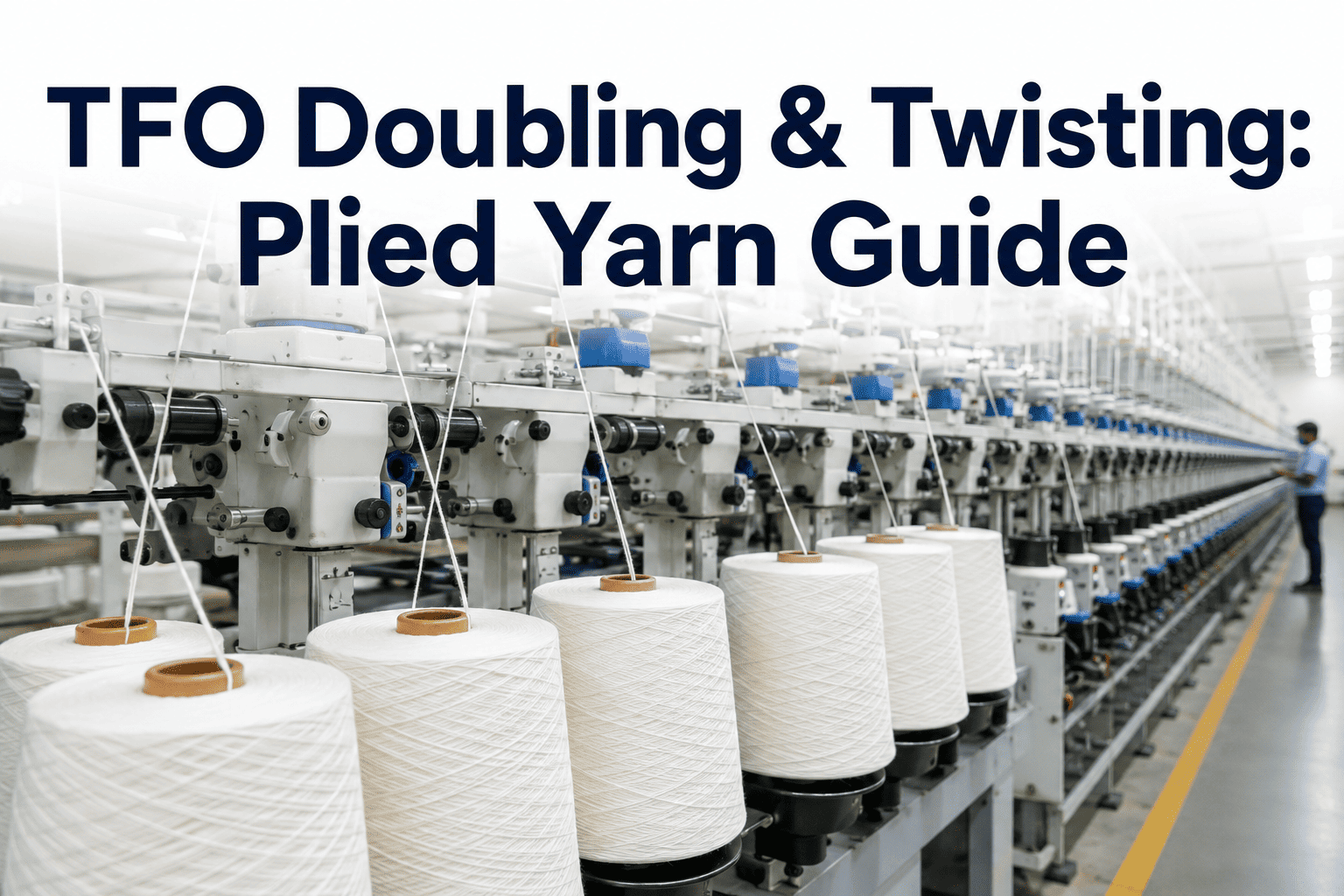
Plied yarn production looks straightforward on paper — take two single ends, twist them together, wind the result — but the gap between a plied yarn that performs beautifully in weaving or knitting and one that causes constant snarling and uneven pick-up almost always comes down to three decisions made at the two-for-one twister: twist direction, twist level, and tension balance between the feeding ends. Get any one of these slightly wrong and the ply looks fine on the cone while causing problems nobody traces back to the TFO stage. If your plied yarn keeps generating downstream complaints that never quite make sense, book a demo with our team and we'll look at your twisting parameters together.
Textile Manufacturing · Spinning Process
TFO Doubling and Twisting: Getting Plied Yarn Right the First Time
Two-for-one twisting looks simple until the ply starts snarling, the twist balance goes uneven, or the tension between ends drifts apart. Here's how twist direction, twist level, and tension management actually work together to produce a uniform, stable ply.
Twist Direction: Why S and Z Aren't Interchangeable
Twist direction determines whether a yarn is designated S-twist or Z-twist based on the angle of the spirals when the yarn is held vertically, and the choice isn't cosmetic — it directly affects how the ply interacts with the twist direction of the single yarns feeding it, and how the final fabric behaves under tension and washing.
S-Twist Ply
Spirals run from lower left to upper right. Commonly paired with Z-twist singles to create a balanced ply that resists snarling, since opposing twist directions between single and ply partially cancel residual torque.
Z-Twist Ply
Spirals run from lower left to upper right in mirror image. Used when a specific fabric hand or surface texture calls for it, or when matching an existing production standard the customer specifies.
Setting Twist Level Without Guesswork
Twist level in a plied yarn is usually expressed as twist multiplier or turns per metre, and the right level balances strength against hand feel — more twist generally increases strength and reduces bulk, but past a certain point it starts to harden the yarn's feel and can introduce liveliness that causes handling problems at the loom.
End Use
Typical Twist Multiplier
Priority
Soft hand knitwear
3.0-3.5
Feel over strength
Standard woven fabric
3.5-4.2
Balanced
Sewing thread / industrial
4.2-5.0
Strength and abrasion resistance
Tension Management: The Setting Nobody Watches Closely Enough
Every TFO twister feeds two or more single ends into the twisting zone simultaneously, and if those ends aren't under matched tension, the resulting ply has uneven distribution — one end effectively wraps around the other rather than the two twisting together evenly, which weakens the ply and creates visible irregularity.
01
Package Tension Check
Verify feed package tension is matched across all creel positions feeding a single twisting spindle before production starts.
→
02
Balloon Control
Confirm balloon tension rings or controllers are set consistently across spindles, since imbalance here compounds tension variation from the feed stage.
→
03
Take-Up Tension Match
Match take-up winding tension to the twisted yarn's actual properties, not a generic default, to avoid package density issues at the ply stage.
Catch Tension Imbalance Before It Reaches the Ply
iFactory monitors feed tension consistency across TFO spindles in real time, flagging imbalance between feeding ends before it produces an uneven or weak ply.
Common Ply Defects and What They're Actually Telling You
Most plied yarn defects have a specific, traceable cause rather than being random variation, and recognizing the pattern is usually faster than working through every possible setting on the machine one at a time.
Snarling
Usually a sign of unbalanced residual torque between the single yarn twist and the applied ply twist direction — often fixed by revisiting the S/Z pairing rather than the twist level itself.
Uneven Twist Distribution
Points to tension mismatch between feeding ends at the creel or balloon stage, causing one end to dominate the twisting action rather than both ends contributing evenly.
Loose Ply / Low Cohesion
Frequently traced to twist level set too low for the yarn's fiber and count combination, or spindle speed inconsistency causing intermittent under-twisting along the length.
Hard, Wiry Hand
Almost always a twist level set too high for the intended end use — a strength-focused setting applied to a product where fabric hand should have taken priority.
A Pre-Production Checklist That Catches Most Ply Problems Early
Running through a short checklist before committing a full batch to a twist setting saves far more time than discovering a systemic issue three days into production and having to rework finished packages.
Check 1
Confirm single yarn twist direction on both feeding ends matches the intended ply pairing before loading the creel for a new order.
Check 2
Verify twist multiplier setting against the end-use specification rather than reusing the previous order's setting by default.
Check 3
Check feed package tension across all creel positions with a handheld tension gauge, particularly after any package change mid-run.
Check 4
Pull a short sample and inspect visually for even, consistent spiral spacing along the length before releasing the full batch to production.
Frequently Asked Questions
Should twist direction on plied yarn always oppose the single yarn twist direction?
Pairing an S-twist ply with Z-twist singles, or vice versa, is the most common approach because the opposing directions partially cancel residual torque, producing a ply that lies flatter and resists snarling. That said, some specific fabric constructions intentionally use matching twist directions to achieve a particular surface texture or crepe effect, so the right pairing ultimately depends on the fabric specification rather than a universal rule. When in doubt, matching what has historically worked for a similar end use is the safer starting point.
What twist multiplier should I use for plied yarn?
Twist multiplier should be set based on end use rather than a single default — roughly 3.0 to 3.5 for soft-hand knitwear where feel matters most, 3.5 to 4.2 for standard woven fabric applications, and 4.2 to 5.0 for sewing thread or industrial applications where strength and abrasion resistance take priority over softness. Setting twist multiplier too high for a soft-hand application is one of the most common avoidable mistakes, since it produces a technically stronger but noticeably harder-feeling yarn that customers reject.
Why does my plied yarn snarl even though twist level seems correct?
Snarling is more often a twist direction and residual torque balance issue than a twist level issue — check whether the single yarn twist direction and the applied ply twist direction are properly opposed for your fabric type. If direction pairing looks correct, the next most common cause is tension inconsistency at the balloon control stage, which can cause localized torque imbalance even when the average twist level across the batch is correct.
Book a session with our team if snarling persists after checking both.
How does tension mismatch between feeding ends actually show up in the finished ply?
When one feeding end runs under higher tension than the other, that end tends to stay straighter while the looser end wraps around it, rather than both ends contributing equally to a balanced spiral. The result is a ply that looks acceptable at a glance but has uneven strength distribution and inconsistent diameter along its length, which typically shows up downstream as unexplained breaks or visible streakiness in the finished fabric rather than as an obvious defect on the twisting floor.
How does iFactory help monitor TFO twisting quality?
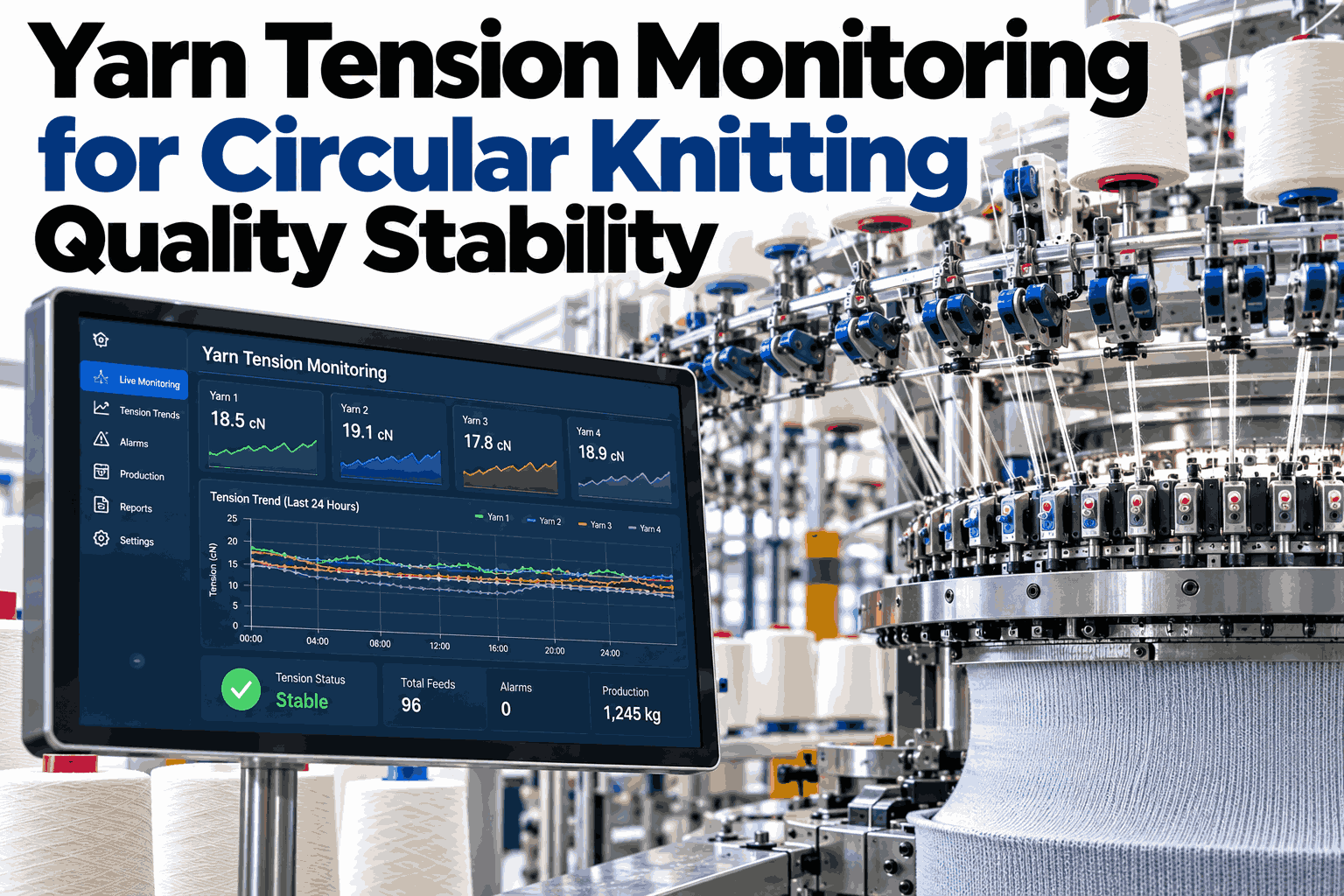
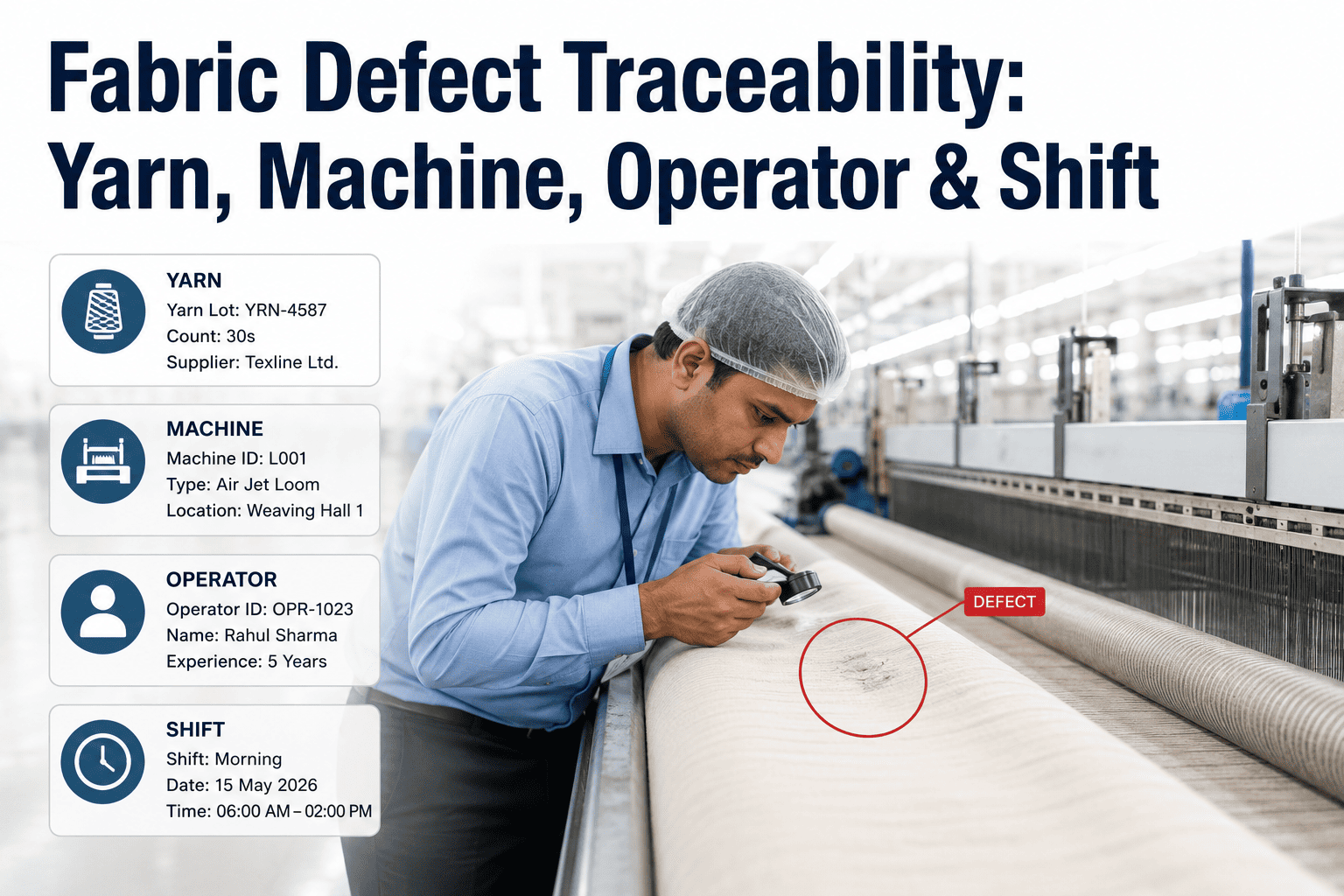
iFactory tracks feed tension, spindle speed consistency, and twist level output across TFO machines, flagging spindles where tension between feeding ends has drifted out of balance before a full batch is affected. Mills use this to catch a specific spindle's tension drift early, standardize twist settings across multiple TFO machines running the same order, and connect finished ply quality data back to the exact machine and setting that produced it when downstream complaints arise.
Get Plied Yarn That Behaves the Same Way Every Time
Twist direction, twist level, and tension balance work together, not separately. iFactory helps you see all three across every TFO spindle, so ply quality stops depending on which machine and shift produced it.