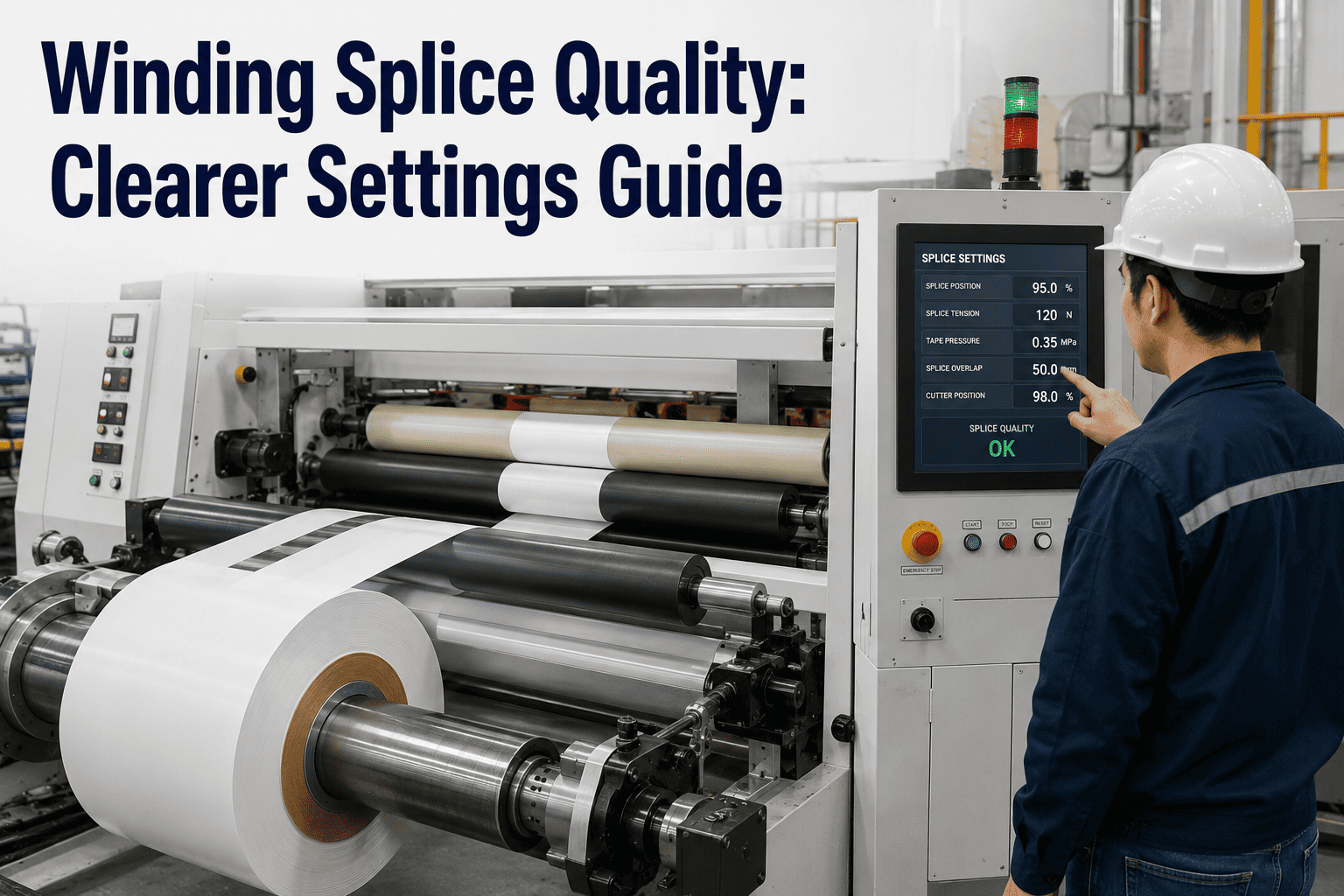
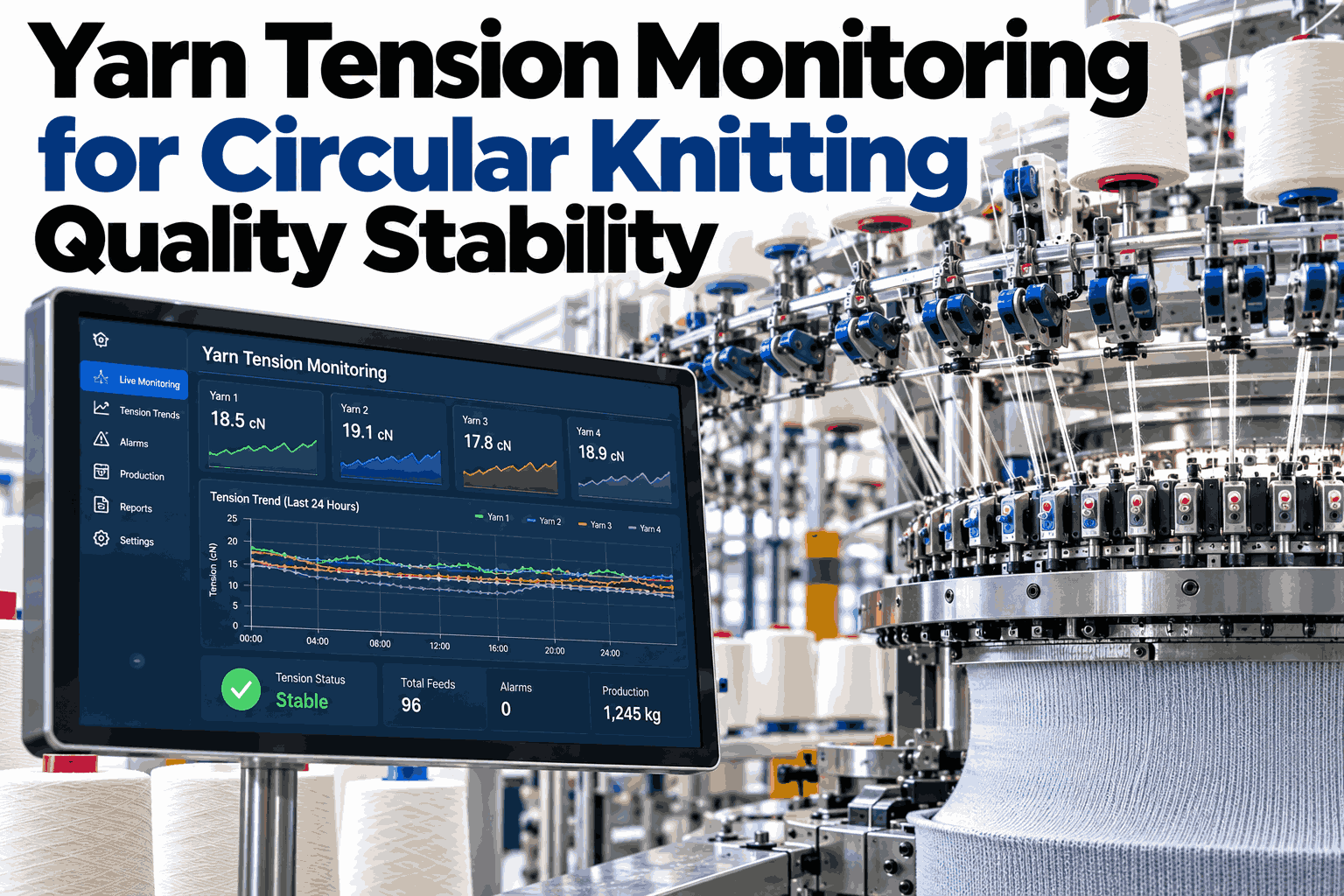
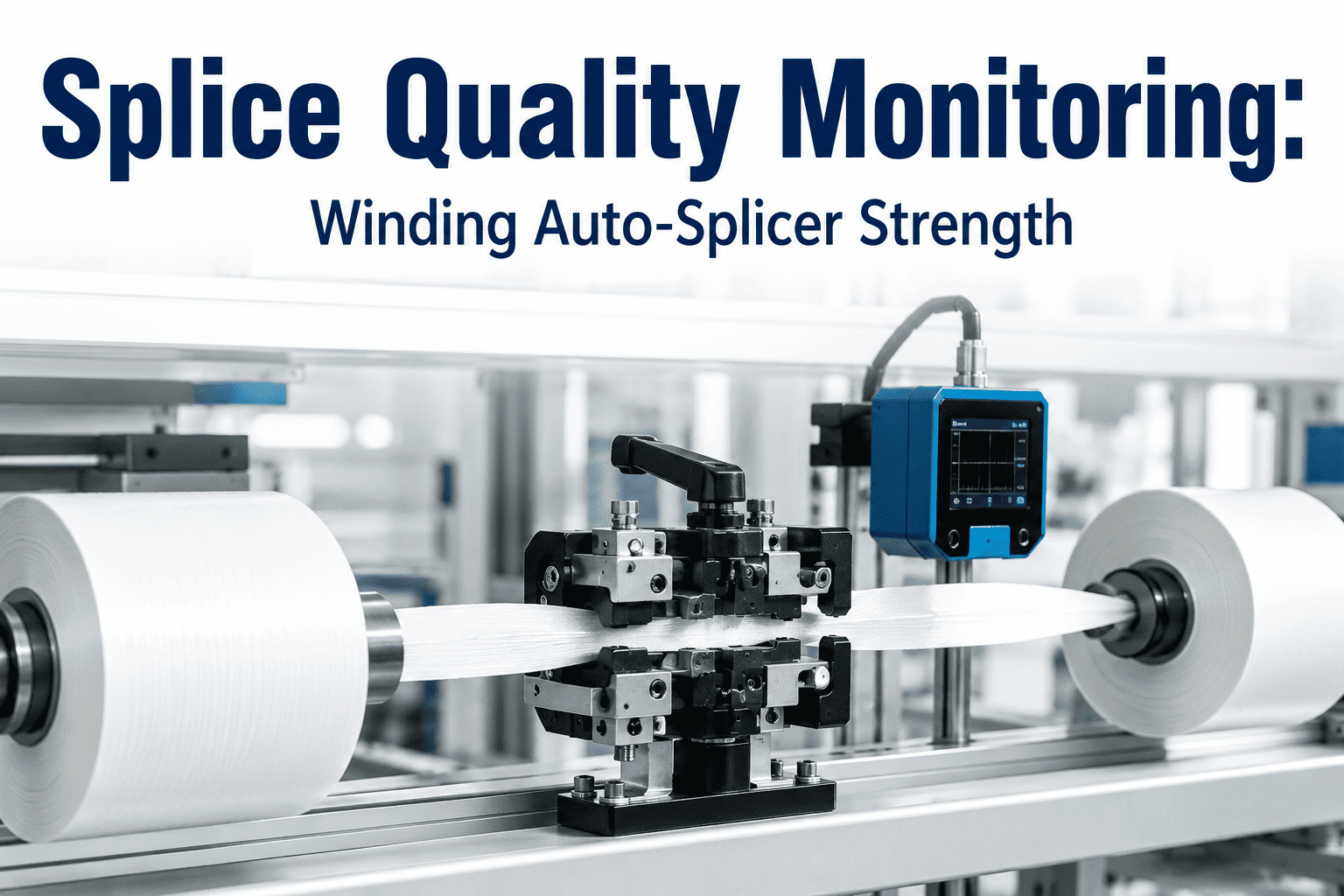
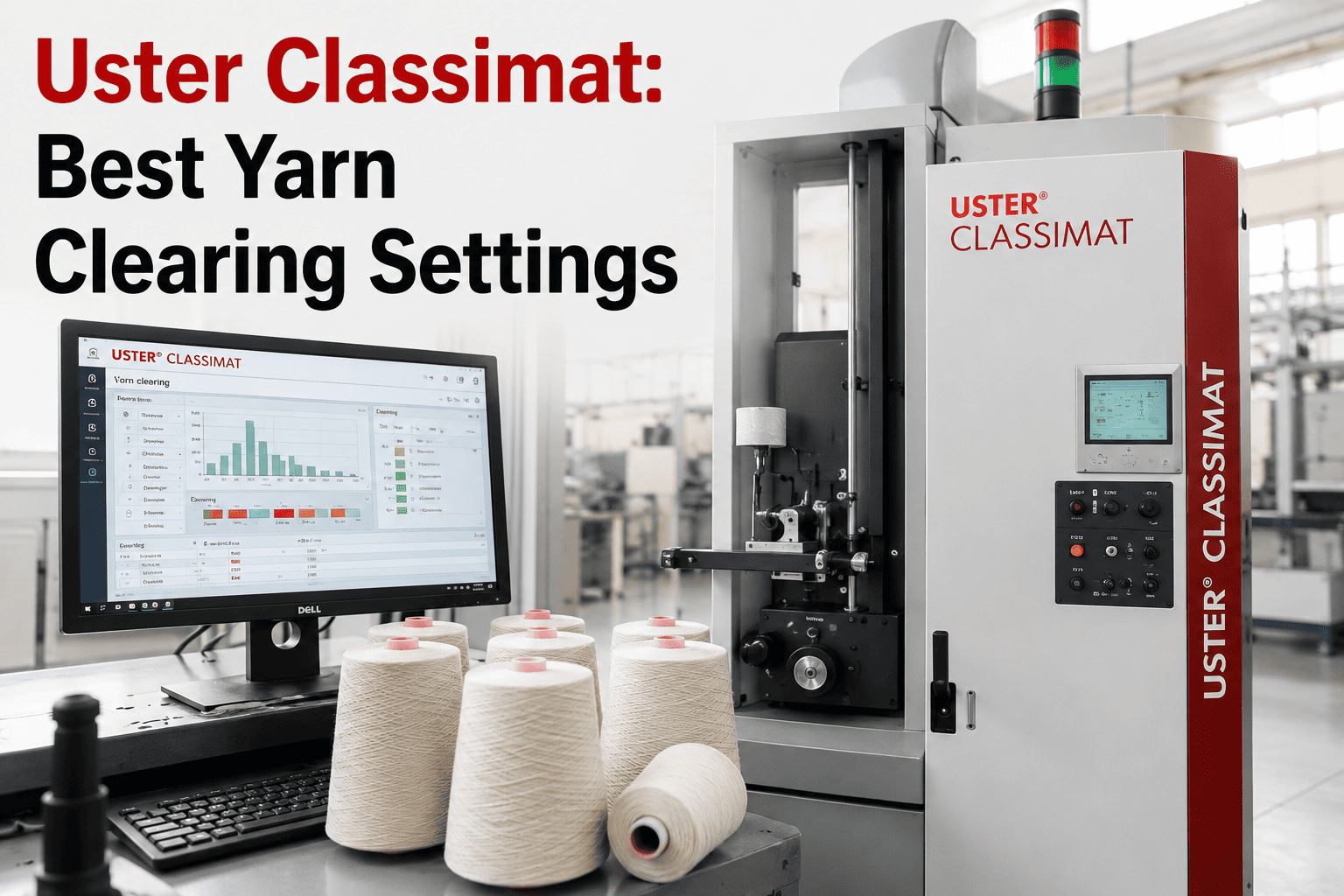
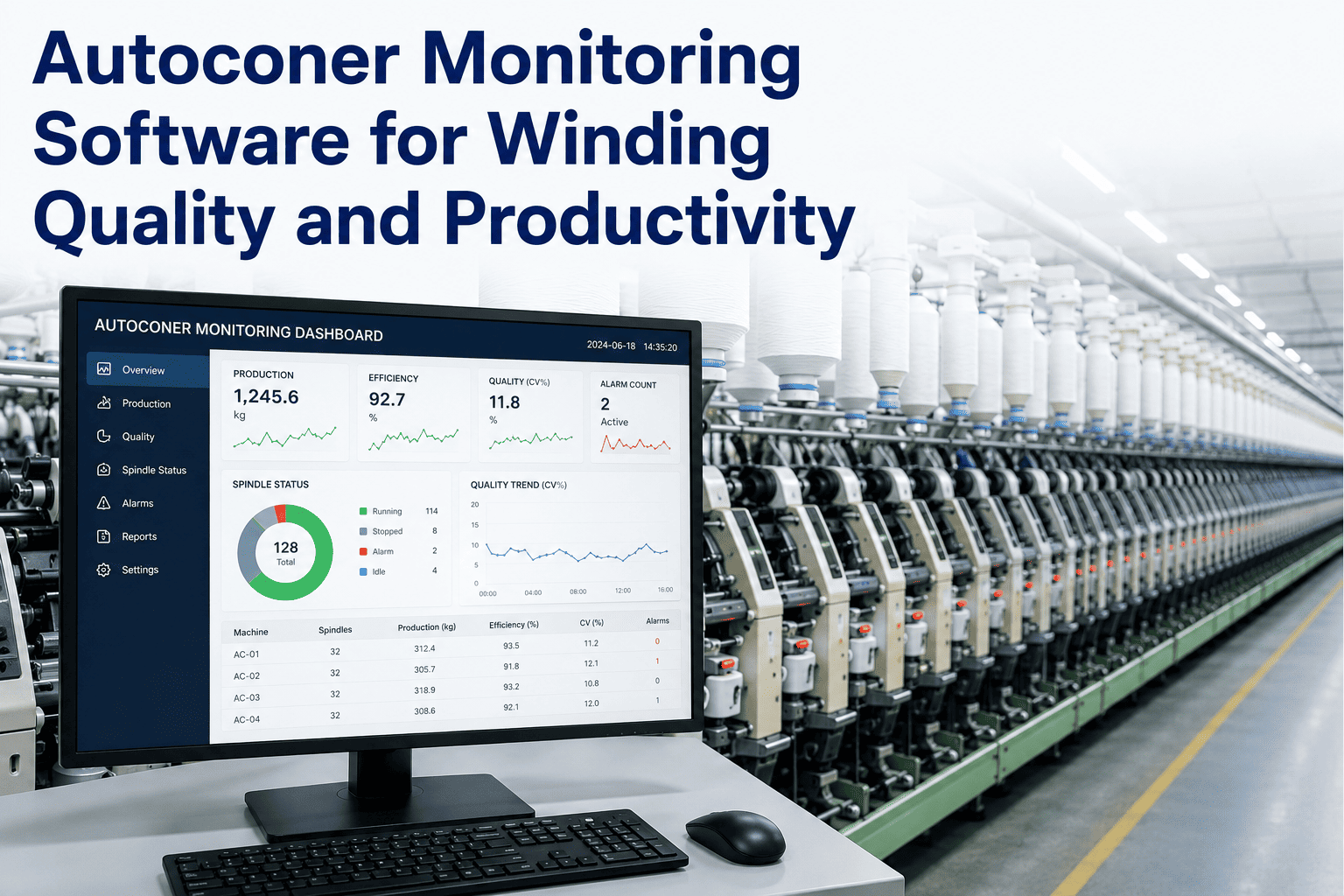
A weak splice doesn't announce itself at the winding machine — it announces itself at the weaving loom or the knitting machine, three processes and several days later, as a yarn break the operator has to trace all the way back. By then the root cause is buried under a stack of production reports and nobody remembers which cone came from which winding head on which shift. Splice quality is one of the few places in spinning where a single bad setting compounds silently across thousands of cones before it becomes visible as a pattern. If your fabric quality team keeps flagging yarn breaks that trace back to splices, book a demo with our team and we'll walk through where the breaks are actually coming from.
Textile Manufacturing · Spinning Process
Winding Machine Splice Quality: Getting Knot-Free Joins That Actually Hold
A splice that looks fine on the cone and fails at the loom is worse than no fix at all — it costs you the confidence of everyone downstream. This guide covers clearer settings, classimat clearing curves, and package density so your splices hold under real weaving and knitting tension.
Four Splice Defects, Four Different Root Causes
"Bad splice" is not a diagnosis, it's a symptom, and lumping every splice-related yarn break into one category is why so many mills struggle to actually fix the problem. Each of the four common splice defect types below traces back to a different setting, which means each needs a different fix.
Weak Splice
Breaks under normal tension well below the yarn's own tensile strength. Usually traces back to insufficient air pressure or incorrect prep length at the splicer, leaving too few fibers actually intermingled in the joint.
Bulky Splice
Passes strength testing but creates a visible thick spot that the clearer should catch but sometimes doesn't. Typically caused by excess prep length or over-insertion of fiber ends into the splicing chamber.
Thin Splice
Looks acceptable but has reduced fiber count at the joint, making it a latent weak point that survives winding tension but fails under weaving or knitting dynamic loading.
Hairy Splice
Structurally sound but leaves loose fiber ends protruding from the joint, which catch on guides and heddles downstream, causing stoppages even when the splice itself never breaks.
Reading the Classimat Clearing Curve Correctly
The clearing curve is the single most powerful tool for catching bad splices before they leave the winding floor, but only if it's configured to actually see splice-sized defects rather than just the generic thick-and-thin faults it ships configured for by default. Most mills never touch the splice-specific channel and end up clearing generic yarn faults while missing the exact defect type their splicer is producing.
Short Thick (splice bulk)
Set sensitivity to the specific length range your splicer's prep produces — typically 1 to 4 cm — rather than the machine default tuned for generic slubs.
Long Thin (splice weakness)
This channel rarely catches weak splices directly since mass loss at a weak joint is often minimal — strength testing, not mass-based clearing, is the real check here.
Foreign Fiber
Keep separate from splice-specific settings — foreign fiber contamination and splice quality are unrelated defects that get confused when clearing limits are set too broadly.
Package Density: The Setting That Fights Splice Quality
Package density and splice integrity pull against each other more than most winding technicians realize. A denser package improves yarn transport efficiency and reduces cone changes downstream, but higher winding tension needed to achieve that density puts more stress on every splice in the package — including the marginal ones that would have survived at lower tension.
Package Density
Winding Tension Impact
Splice Risk
Low (soft package)
Reduced tension
Lower risk, but package handling issues
Standard
Balanced tension
Moderate, manageable with good splice settings
High (dense package)
Elevated tension
Higher risk, marginal splices fail more often
Track Splice Failure Rate Back to the Exact Winding Head
iFactory connects clearer data, splice count, and downstream quality complaints so you can see which winding head, which shift, and which setting is producing splices that fail at the loom — before it's a customer complaint.
A Splicer Setup Checklist Worth Running Every Shift Change
Most splicer-related quality drift happens gradually across a shift as air pressure fluctuates, fiber dust accumulates in the splicing chamber, and prep length settings get bumped during routine cleaning. A short checklist at shift change catches the majority of it before it turns into downstream complaints.
Check 1
Verify splicing air pressure against the manufacturer's specification for your yarn count — pressure drift is common on shared compressed air systems as demand fluctuates across the floor.
Check 2
Inspect the splicing chamber for fiber dust and lint buildup, which reduces the effective air pressure reaching the yarn ends and directly weakens splice strength.
Check 3
Confirm prep length settings match the current yarn count — a prep length carried over from a different count running the previous shift is a common and easily missed cause of bulky or weak splices.
Check 4
Pull a small sample of splices and run a manual strength check against the base yarn, especially after any splicer maintenance or count change on the machine.
Why Splice Failures Show Up Downstream, Not at Winding
The winding machine's own tension is almost always lower than what the splice will face at the loom or knitting machine, which is exactly why a splice can pass through the winding process cleanly and still fail three processes later. This gap between winding tension and end-use tension is the reason splice quality can't be judged by winding-floor breakage rate alone.
Winding
Low
Tension applied during package building
→
Warping
Medium
Higher tension across creel, splice stress increases
→
Weaving / Knitting
High
Dynamic loading finally exposes marginal splices
Frequently Asked Questions
What causes a splice to pass winding inspection but fail at the loom?
Winding tension is significantly lower than the tension a splice experiences during warping and especially during weaving or knitting, so a marginal splice with reduced fiber intermingling can survive the winding process cleanly and still fail once it reaches higher, dynamic downstream tension. This is why relying solely on winding-floor breakage rate to judge splice quality misses a meaningful share of weak joints. Periodic manual strength testing against base yarn tensile strength catches these before they reach the loom.
How should classimat clearer settings be configured for splice defects?
Splice-specific clearing works best on a dedicated short-thick channel tuned to the exact length range your splicer's prep produces, typically 1 to 4 centimetres, rather than relying on the generic thick-and-thin fault settings the machine ships with. Weak splices are harder to catch through mass-based clearing since they often show minimal mass loss, which is why manual strength sampling remains an important complement to clearer settings rather than a replacement for them.
Does higher package density always increase splice failure risk?
Higher package density generally requires increased winding tension to achieve consistent package build, and that added tension puts more stress on every splice in the package, including marginal ones that would hold at lower tension. This doesn't mean dense packages are always the wrong choice — it means splicer settings need to be dialed in tighter when running high-density packages, since the margin for a slightly weak splice shrinks as tension rises.
Book a session with our team if you want help balancing the two.
How often should splicer air pressure be checked?
Air pressure should be checked at minimum every shift change, and more frequently on mills running shared compressed air systems where demand from other equipment can cause pressure fluctuations throughout the day. Pressure drift is one of the most common and easiest to miss causes of weak splices because the splicer keeps operating normally — it just produces progressively weaker joints as pressure drops below specification.
How does iFactory help reduce splice-related downstream breaks?
iFactory links clearer data, splice counts, and downstream break or complaint records back to the specific winding head, shift, and settings that produced them, making it possible to identify a drifting splicer or a misconfigured clearing curve before it generates a pattern of complaints from weaving or knitting. Mills use this to standardize splicer air pressure and prep length checks across every winding head and catch the specific machine producing marginal splices well before fabric quality teams notice a trend.
Stop Chasing Splice Failures Three Processes Downstream
A weak splice is invisible at the winding machine and expensive at the loom. iFactory helps you trace splice quality back to the exact winding head and setting before it becomes someone else's problem.