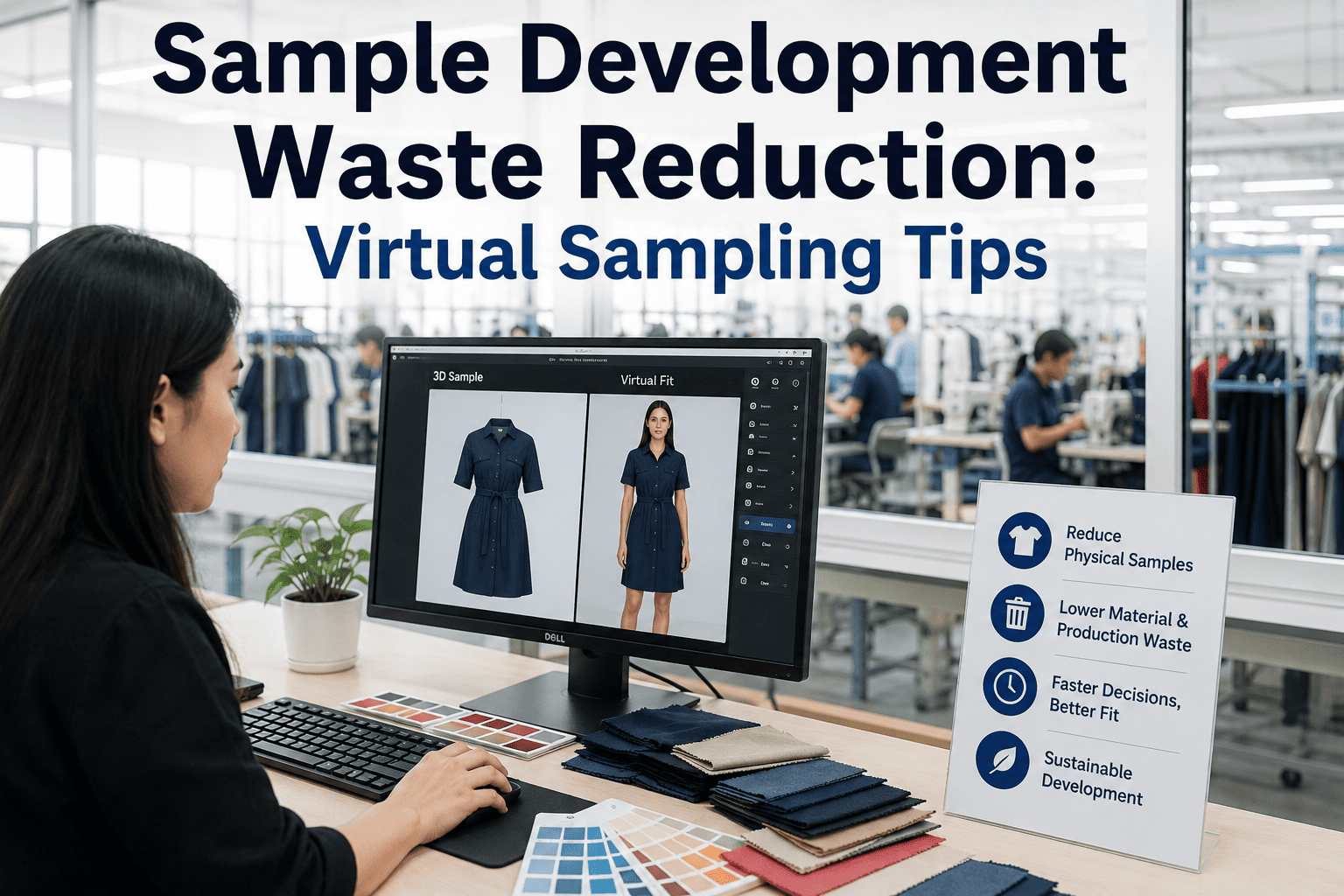
A single apparel program can burn through a dozen or more physical sample rounds before a buyer signs off — fabric cut, dyed, printed, sewn, shipped across borders, reviewed, and rejected, over and over, and every rejected round is fabric, labor, and courier cost that never becomes revenue. Virtual sampling doesn't eliminate the approval process, it moves most of those rounds from the cutting table to a screen, letting a buyer review color, print placement, and fit digitally before a single meter of fabric gets physically cut. Mills that have adopted virtual sampling seriously aren't just saving fabric — they're compressing a development cycle that used to take weeks of international shipping into a review that happens in days. This guide covers what digital prototyping and 3D visualization actually replace in the traditional sampling process, how a virtual approval workflow is structured, and where physical samples still genuinely need to happen. Mills building out a virtual sampling program can book a 30-minute demo to see how iFactory tracks sample rounds, approval status, and waste saved per program.
Sample Development Waste Reduction — Virtual Sampling
How digital prototyping, 3D visualization, and virtual approval workflows cut physical sample rounds down to the ones that genuinely need fabric in hand, and how much waste and cycle time that actually saves.
What the Traditional Sampling Cycle Actually Costs
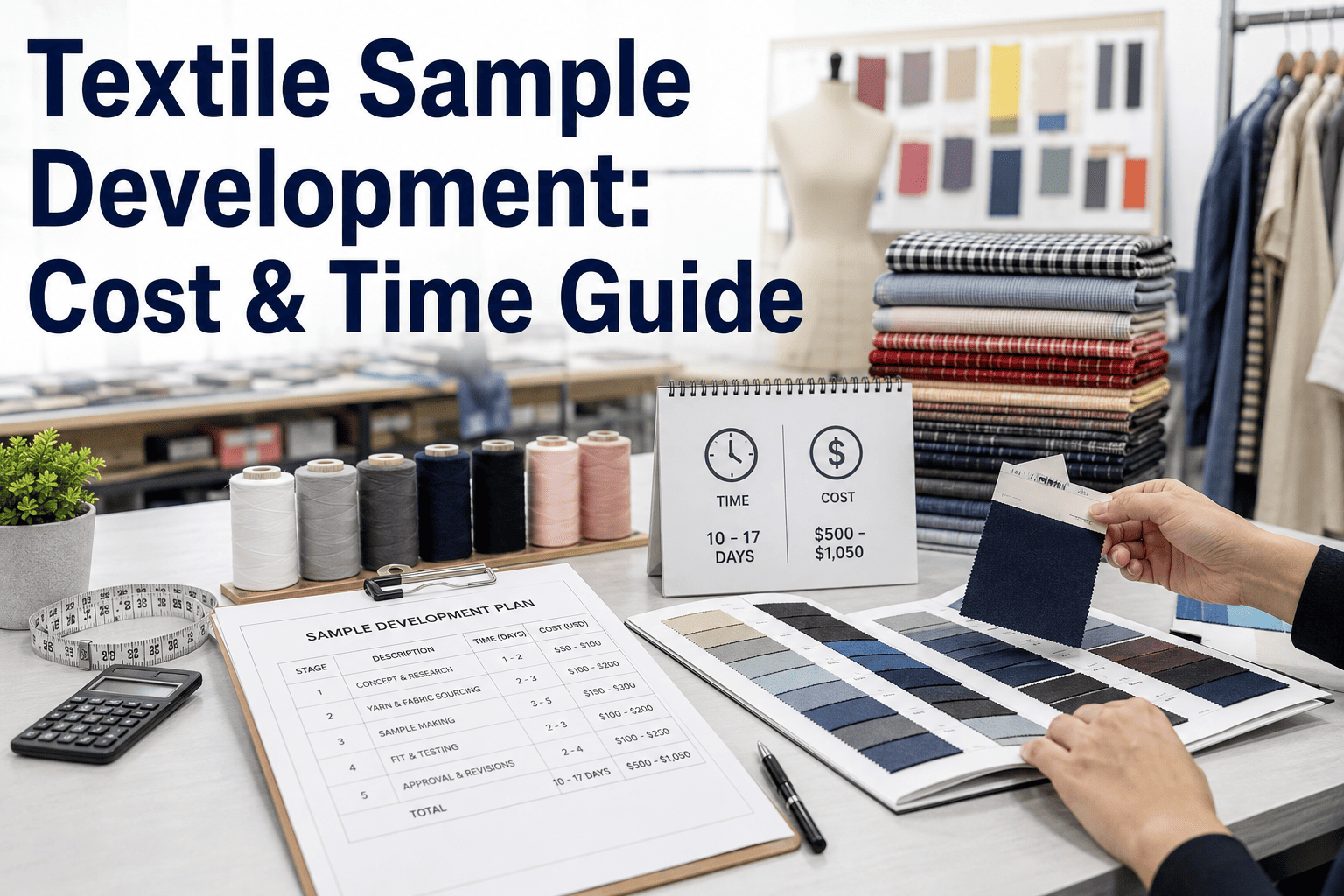
A traditional sample development cycle runs on physical iteration — cut a sample, dye or print it, sew it, photograph or ship it to the buyer, wait for feedback, and repeat until approval. Each round consumes fabric that may never be worn by anyone, labor hours from a mill's most skilled sewing operators who are pulled off production work to build one-off samples, and courier cost and time when the buyer is overseas. A program that goes through eight or ten rounds before final approval has effectively built and rejected eight or ten near-complete garments, and every one of those rounds also adds calendar time to a development schedule that's usually already tight against a season launch date.
Fabric cut and sewn for every color, print, or fit iteration; physical shipment to buyer for each review round; feedback delay measured in days to weeks depending on shipping distance; rejected samples become scrap with no resale value.
Digital prototype built once and adjusted on screen for color, print, and placement variations; buyer reviews and approves remotely in real time; feedback cycle measured in hours; physical fabric only cut once a digital version is approved.
What Virtual Sampling Actually Replaces
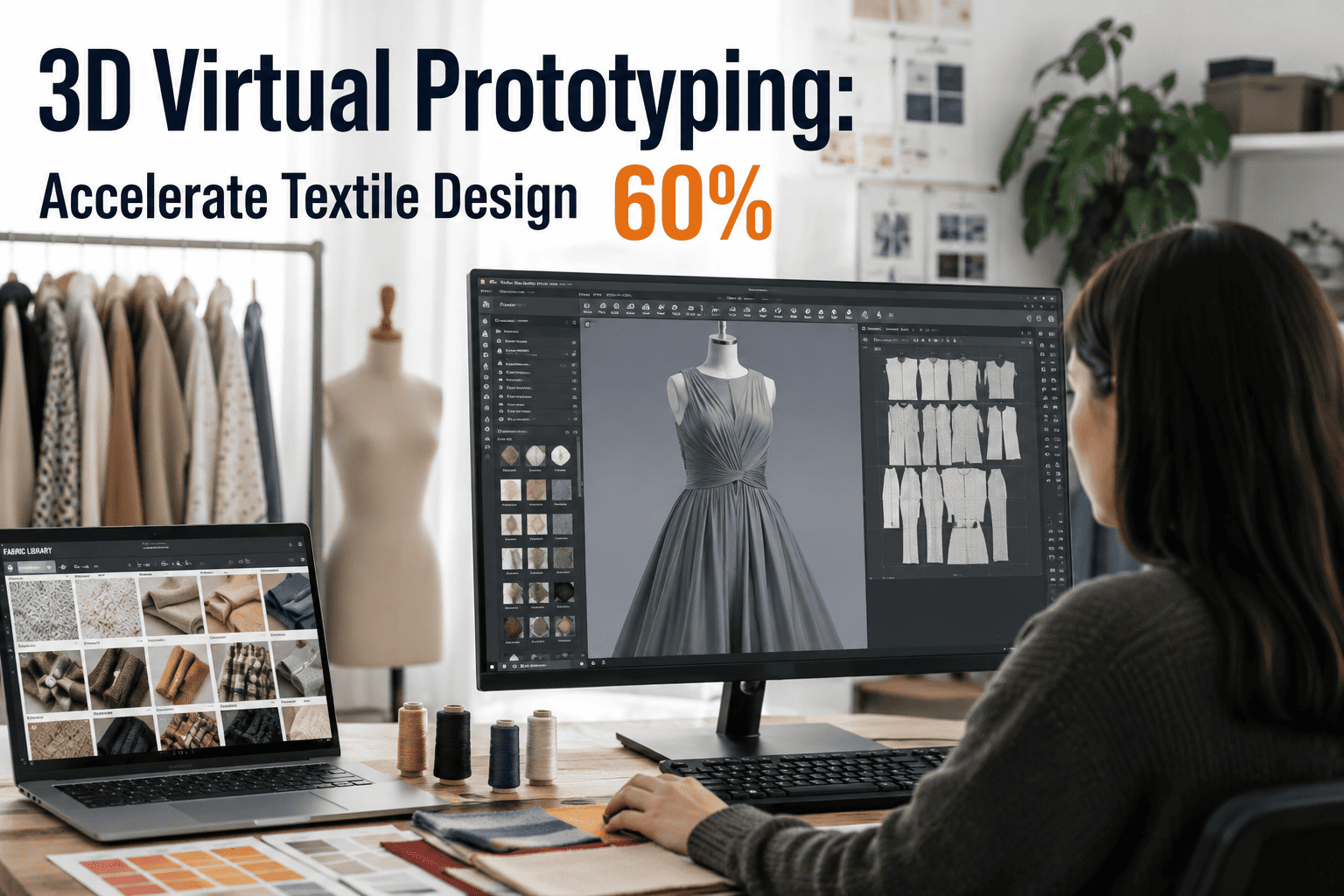
Digital fabric and print scanning
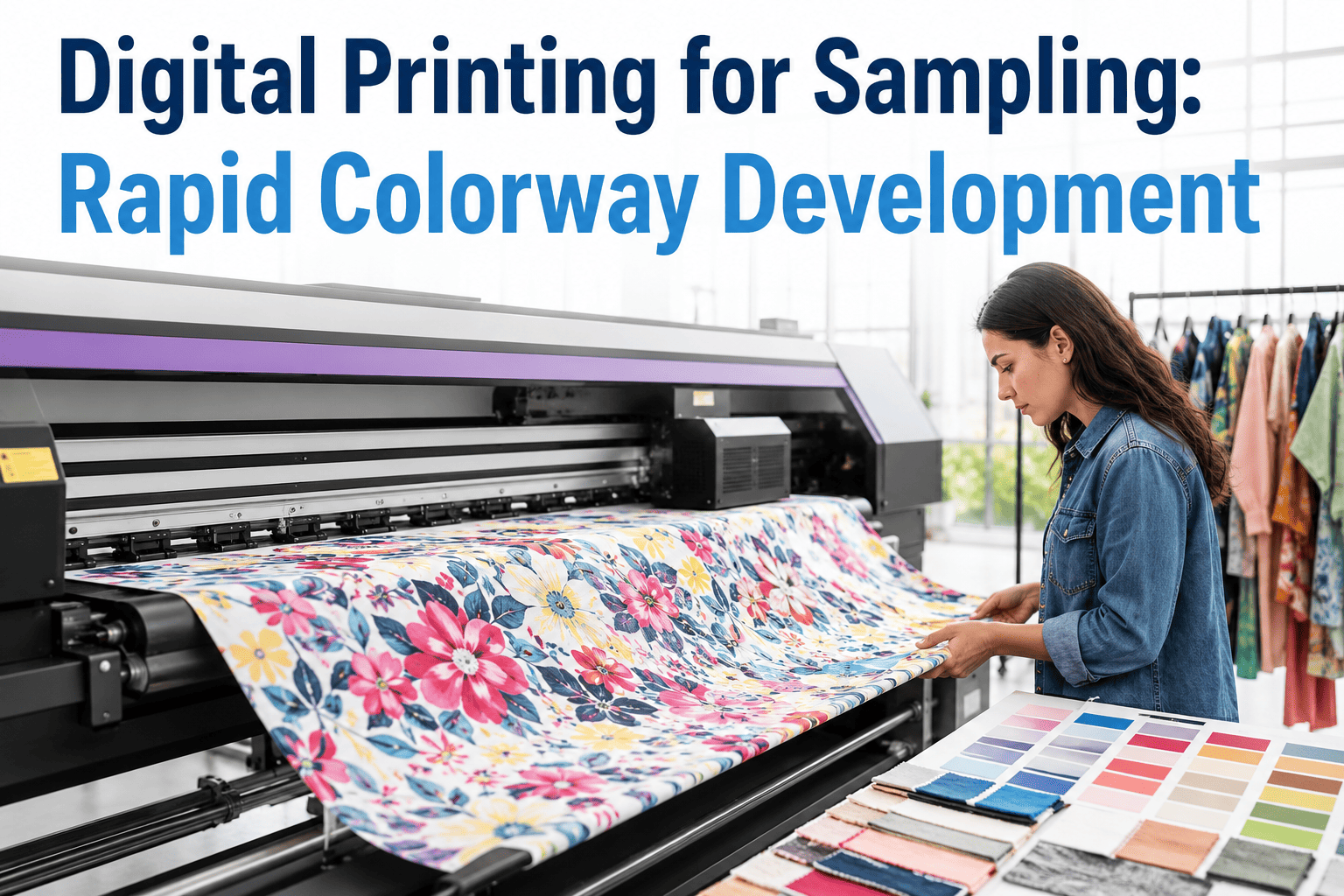
A physical fabric sample is scanned once to capture its texture, drape, and color accurately in digital form, and that scanned base is then reused across every subsequent print or colorway variation instead of requiring a new physical sample for each one.
3D garment visualization
The digital fabric is draped onto a 3D garment model that reflects the actual construction and fit of the style, giving a buyer a realistic view of how the fabric behaves and how a print or embroidery placement will actually look on the finished garment.
Remote virtual review and markup
Buyers review the 3D visualization remotely and mark up specific changes directly on the digital model — a color adjustment, a placement shift — without waiting for a new physical sample to be cut, sewn, and shipped for each round of feedback.
Physical sample only at digital approval
A single physical sample is cut and sewn once the digital version reaches approval, serving as a final fit and hand-feel confirmation rather than as one of many exploratory rounds — this is the step virtual sampling doesn't eliminate, because a buyer still needs to physically feel the finished fabric before bulk production begins.
Where Physical Samples Still Genuinely Need to Happen
Final fit confirmation
3D visualization approximates drape and fit closely, but a final physical sample worn and checked on a fit model remains the standard confirmation step before bulk cutting begins, since fabric behavior on a body is still the most reliable check available.
Hand-feel and hardware approval
Fabric hand-feel, trim hardware quality, and zipper or button function are physical attributes a screen genuinely cannot convey, so these checkpoints stay physical even in a fully digital-first sampling program.
Color accuracy on calibrated screens
Digital color rendering depends on the buyer's screen being properly calibrated, so a lab dip or physical color reference is still commonly used alongside digital approval for programs with strict color-matching requirements.
What the Waste Reduction Actually Looks Like
| Sampling Stage | Traditional Approach | Virtual Sampling Approach |
|---|---|---|
| Colorway review | Physical sample per color option | Single digital scan, unlimited color variations rendered |
| Print placement | Physical sample per placement iteration | Digital placement adjustment reviewed on screen |
| Buyer feedback cycle | Days to weeks per round, shipping-dependent | Hours per round, no physical shipment required |
| Rejected round outcome | Physical fabric and labor become scrap | No material consumed until digital approval |
Frequently Asked Questions
Does virtual sampling completely eliminate the need for physical samples?
No — it eliminates most of the exploratory rounds that used to require physical fabric, but a final physical sample is still standard practice for fit confirmation, hand-feel, and hardware checks before bulk production begins. The realistic goal of a virtual sampling program is compressing eight or ten physical rounds down to one or two, not eliminating physical samples entirely, since certain attributes like drape on a body and fabric hand-feel are still best confirmed physically. Contact iFactory Support for help structuring a hybrid virtual-to-physical sampling workflow.
How accurate is 3D visualization compared to seeing the actual physical fabric?
Modern digital fabric scanning captures texture, drape, and color with enough accuracy for most colorway and print placement decisions, which is why it has become standard for the early and middle rounds of sample development. Where it still falls short is in conveying hand-feel, weight, and precise color on an uncalibrated screen, which is exactly why a single physical confirmation sample remains part of a well-structured virtual sampling program rather than being removed entirely.
What's the biggest cycle-time saving virtual sampling actually delivers?
The feedback loop itself — a physical sample round shipped internationally can take one to two weeks round trip depending on distance and customs, while a digital review and markup cycle typically happens within the same day or two. Over eight or ten rounds, that difference compounds into weeks or months of compressed development time, which matters enormously for fashion programs working against a fixed season launch date. Book a demo to see approval cycle time tracked against a program's launch deadline.
Is virtual sampling worth adopting for a mill that mostly runs basics rather than fashion-forward programs?
The waste and cost savings apply regardless of program type, though the cycle-time benefit is most dramatic for programs with frequent color, print, or placement iterations. A basics program with fewer design variations will still save fabric and labor on colorway exploration, even if the calendar-time benefit is less pronounced than for a fast-fashion program running through many rounds of creative iteration in a compressed season.
How does a mill get started with virtual sampling without a large upfront technology investment?
Most mills start with digital fabric scanning for their highest-volume or most frequently revised styles, building a library of scanned fabrics that can be reused across seasons and buyers rather than trying to digitize the entire fabric range at once. Starting narrow with the programs that generate the most sample rounds delivers the fastest return and builds the internal workflow experience needed before expanding coverage further. Contact iFactory Support for help prioritizing which fabric lines to digitize first.
Every rejected sample round is fabric, labor, and time that never becomes revenue.
iFactory tracks digital approval status, sample round history, and waste saved per program so a virtual sampling process has the same visibility as physical production. A 30-minute demo builds a live view against your own sample development data.