A textile mill exporting to Europe and the US runs multiple audit standards in parallel — OEKO-TEX Standard 100 renewed annually, GOTS v8.0 for organic certification with chain-of-custody, BSCI or amfori every two years for social compliance, SMETA or SEDEX for the 4-pillar audit, and on top of all that the specific buyer’s own protocol from Walmart, Zara, H&M, or Target. Every one needs the same underlying quality record — different views on the same production. When each standard forces its own separate audit-prep project, the mill spends weeks reassembling data that already exists. A unified audit trail makes every audit a query, not a project.
iFactory / Textile quality audit trail
One Audit Trail, Every Buyer and Every Certification
A unified quality record designed for the specific evidence OEKO-TEX, GOTS, BSCI, SEDEX, and buyer-specific audits actually ask for — with the trace back from finished shipment to raw material intact at every audit.
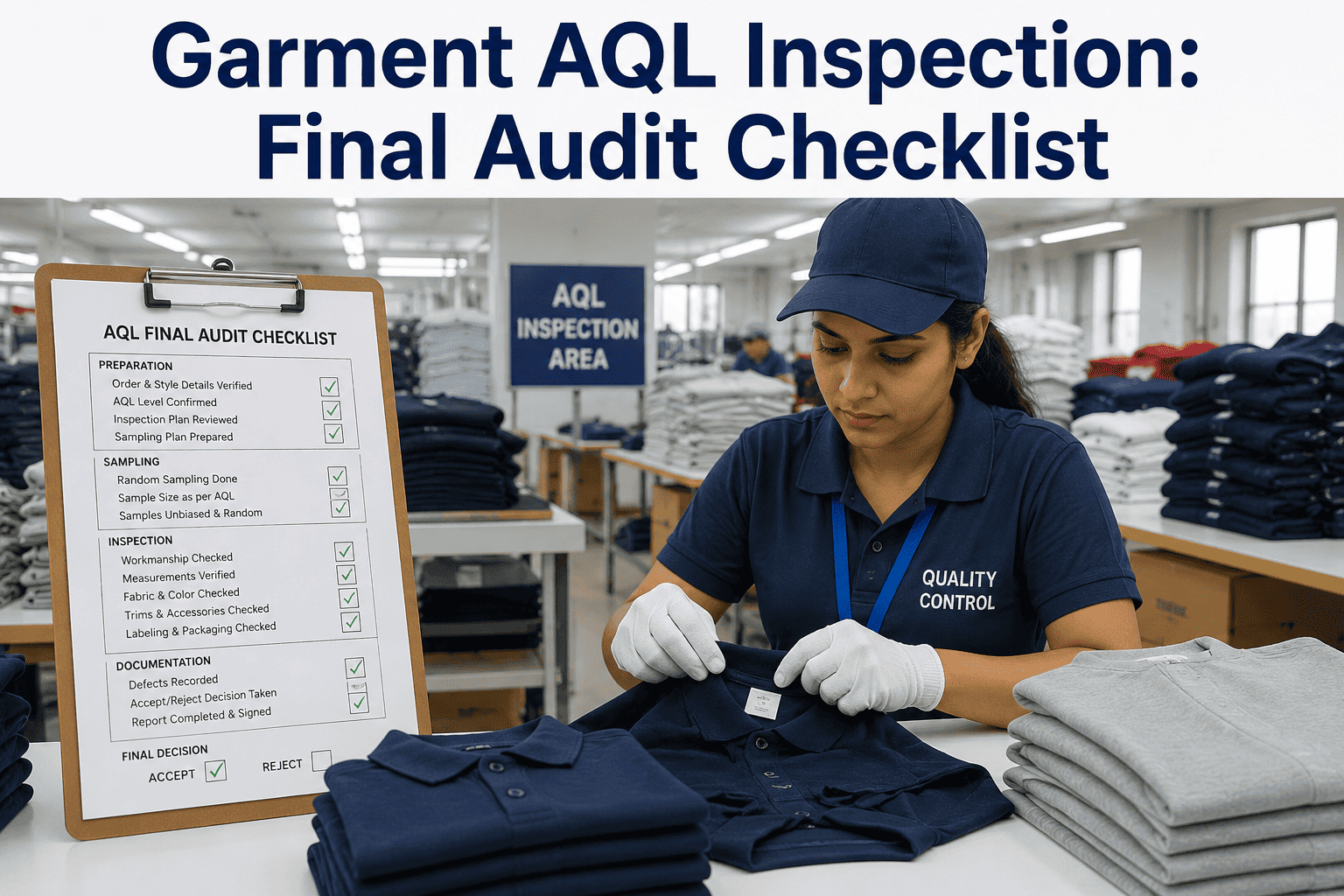
OEKO-TEX 1001000+ substances · annual
GOTS v8.070% organic · chain-of-custody
BSCI / amfori13 areas · 2-year cycle
SEDEX / SMETA4-pillar audit · biennial
Buyer specificsWalmart · Zara · H&M · Target
5+
parallel audit standards
GOTS v8.0
March 2026 · due diligence added
OEKO-TEX
June 1, 2026 new regs
The Problem on the Floor
An audit trail for textile is not a single document — it is the ability to answer any of five different questions from five different auditors about the same production. OEKO-TEX Standard 100 asks for chemical test evidence across 1000+ substances by product class. GOTS v8.0 (March 2026, adding mandatory due diligence and enhanced chemical criteria) asks for organic fiber content ≥70% and chain-of-custody from farm to finished garment. BSCI’s 13 performance areas ask for social-compliance evidence across 2,400+ European buyer members. Meanwhile, the buyer’s own protocol may require quarterly self-audits or corrective-action tracking specific to that retailer. Each can consume a week of QA time.
Where the Record Actually Breaks
Audit trail data breaks in patterns unique to textile — different from discrete manufacturing, different from pharma. These are the specific failure modes.
Certification silos
OEKO-TEX evidence in one folder, GOTS in another, BSCI in a third. Same production data, three separate assemblies each audit cycle. Weeks of duplicate work.
Chain-of-custody gaps
GOTS requires organic-fiber traceability from farm to finished garment. When the yarn supplier’s certificate isn’t linked to the specific bales received, the chain breaks and the audit finding follows.
Buyer protocol drift
Buyer-specific requirements change (Walmart’s vendor manual, Zara’s inspection protocol). Updates arrive by email, get filed, and don’t make it into the mill’s standing audit prep.
Lab certificate expiry
OEKO-TEX certificates need annual renewal. When the renewal is missed by a week and a shipment sails, the audit finding stands whether the fabric actually passed testing or not.
What Good Looks Like on the Line
A unified audit trail holds four capabilities together — the standards mapping, the chain-of-custody preservation, the buyer protocol library, and the certificate lifecycle tracking — all against the same production record.
Standards Mapping
Same production data mapped to the specific evidence each standard requires — one record surface answers OEKO-TEX, GOTS, BSCI, SMETA, and buyer-specific asks.
One data, many views
Chain-of-Custody
Farm-to-garment traceability for organic and recycled certifications (GOTS, GRS/RCS) with linked supplier certificates preserved at the bale, yarn lot, and roll level.
Farm to finished
Buyer Protocol Library
Each buyer’s vendor manual and inspection protocol held as a live document with change tracking — every buyer update propagates to the affected production and audit prep.
Live buyer specs
Certificate Lifecycle
Every certificate (OEKO-TEX annual, GOTS scope certificate, BSCI audit report) tracked with expiry and renewal windows — no shipment ships against an expired certificate.
No expiry surprises
How iFactory AI Fits
iFactory AI overlays the QMS, LIMS, and ERP you already run, adding the audit-trail discipline that makes every standard’s evidence answerable from the same underlying production record.
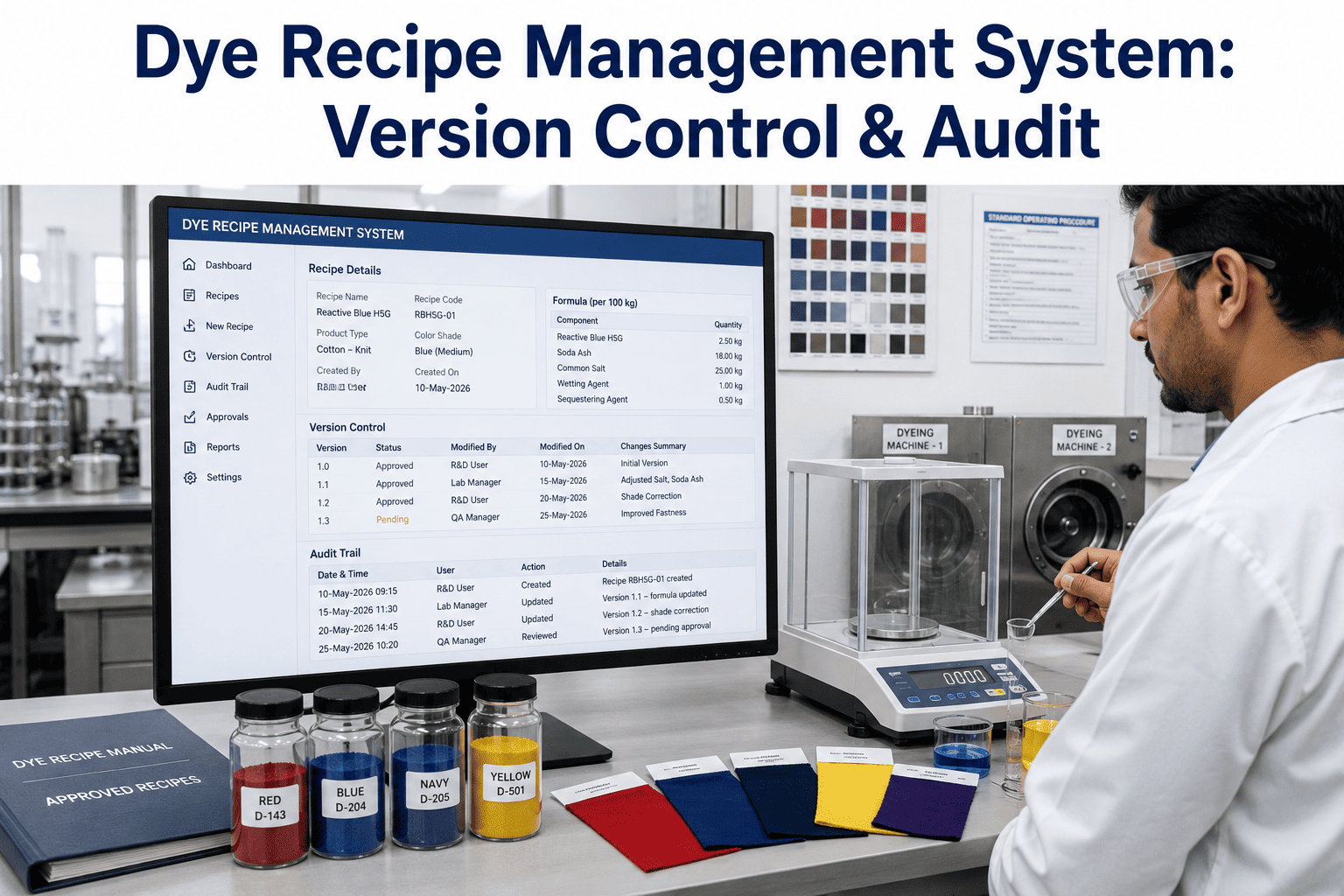
Audit Evidence Pack
Compliance Layer
Standard-specific evidence pack generated on demand — OEKO-TEX, GOTS, BSCI, or buyer-specific — from the same underlying record.
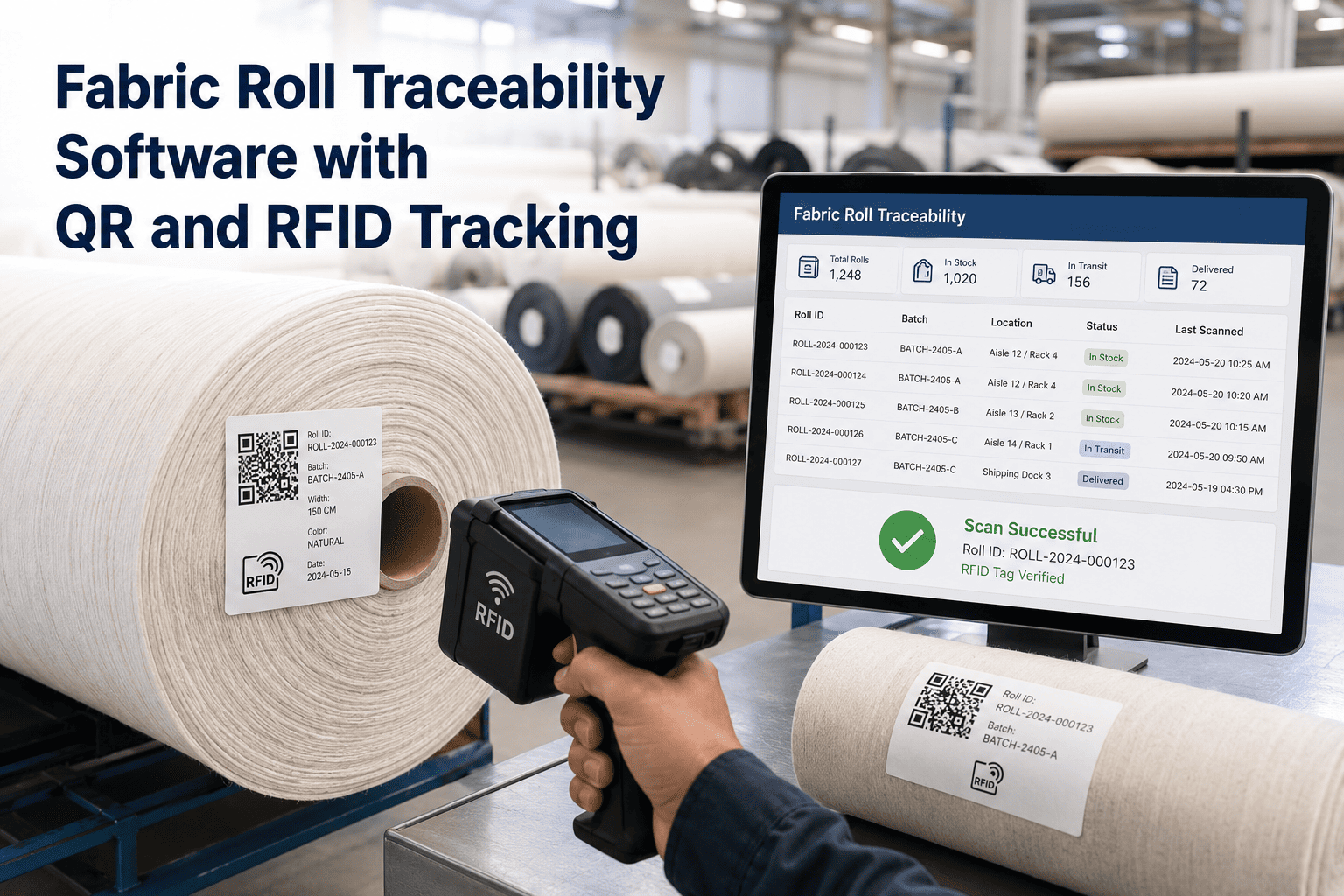
Chain-of-Custody
Overlay + Supplier
Full trace from supplier certificate to bale to yarn lot to roll to shipment — the GOTS and GRS record that survives inspector review.
Buyer Compliance Log
QMS + CRM
Every buyer requirement, every self-audit, every corrective action against the buyer’s vendor manual — one register per buyer.
Certificate Register
Compliance Layer
Every certificate with issue date, expiry, renewal owner, and status — with 30/60/90 day expiry alerts and shipment blocks on expired standards.
Ask your compliance head how many hours QA spent preparing last year’s BSCI or SMETA audit. Then ask how many of those hours would have been avoided if the OEKO-TEX evidence had been in the same system. Most mills discover the duplicate work is 40-60% of audit prep. Book an audit readiness review — we’ll benchmark your prep time.
12-Week Rollout on One Line
One production line, one buyer, one certification standard, twelve weeks. The pilot is scoped to prove that the unified audit trail actually reduces prep time and stands up to a mock audit — not to prove that the concept works.
Weeks 1–2
Standards Audit
Inventory active certifications, their evidence requirements, current data sources, and audit-prep hours per cycle. Identify the biggest duplicate-work overlap.
Weeks 3–4
Evidence Mapping
Map the current production data to each standard’s evidence requirements. Configure the standards mapping and the chain-of-custody links for the pilot certification.
Weeks 5–8
Buyer Protocol
Load the pilot buyer’s vendor manual and inspection protocol. Configure the buyer-specific compliance log. Team walks through with a mock buyer audit request.
Weeks 9–12
Mock Audit
Run a mock audit for the pilot standard using the unified trail. Compare prep time, evidence completeness, and finding rate against the last real audit for the same standard.
Who Owns the KPI
Audit trail discipline crosses QA, compliance, sourcing, and site leadership. Every function needs a specific KPI or the audit prep reverts to the annual scramble.
Compliance Lead
Audit prep hours per certification
Owns prep efficiency — the direct measure of whether the unified trail is actually working. Target reduction is 40-60% versus siloed prep.
QA Head
Audit findings per cycle
Owns audit outcome — the count of findings at each audit cycle. A unified trail should reduce findings by making evidence assembly complete and consistent.
Sourcing / Supplier Head
Supplier certificate currency %
Owns supplier compliance — the share of active suppliers with current, valid certificates. Gaps here break chain-of-custody for GOTS and similar.
Site GM
Buyer compliance scorecard
Owns the commercial consequence — the buyer’s vendor scorecard, which drives order allocation. Rising scores unlock more premium buyer volume.
FAQ
How does one system handle five different audit standards without becoming a compromise?
The underlying production record is one — every roll’s 4-point score, lab tests, loom, shift, yarn lot, supplier certificate, and shipment. What differs is the view each standard needs. OEKO-TEX wants chemical test evidence organized by product class. GOTS wants chain-of-custody from farm to garment. BSCI wants social-compliance evidence across 13 performance areas. The unified trail holds one data layer and generates the standard-specific view on demand — no compromise, no duplicate data entry, no reconciliation.
What about the new GOTS v8.0 due diligence requirement?
GOTS Version 8.0, released in March 2026, adds mandatory due diligence and enhanced chemical criteria on top of the existing organic-fiber and social-compliance requirements. Due diligence means the mill has to demonstrate active oversight of its supply chain — supplier risk assessment, incident tracking, and corrective action. The unified trail already holds supplier certificates and chain-of-custody; adding the due-diligence workflow (risk scoring, incident register, action tracking) sits on the same data. Mills that already have GOTS certification typically adopt v8.0 within their annual renewal cycle.
Book a demo to see the GOTS v8.0 due-diligence view live.
What if a buyer requires their own audit tool or portal — does this replace it?
No — most large buyers (Walmart’s Retail Link, Target’s vendor portal, Zara’s inspection tool, H&M’s compliance system) require submission through their own platform. The unified audit trail doesn’t replace those; it feeds them. The evidence is assembled once against the buyer’s protocol requirements, then exported or submitted through the buyer’s portal. This eliminates the double-entry that most mills currently do — assembling evidence internally, then re-entering it into each buyer’s portal — and reduces the mismatch between what the mill has internally and what the buyer sees.
Stop treating every audit as a fresh preparation project.
Benchmark Your Audit Prep Against a Unified Trail
Bring one active certification (OEKO-TEX, GOTS, BSCI, or SMETA), the evidence pack from your last audit cycle, and one buyer’s specific compliance requirements. We’ll show the unified view and quantify the duplicate-prep hours.