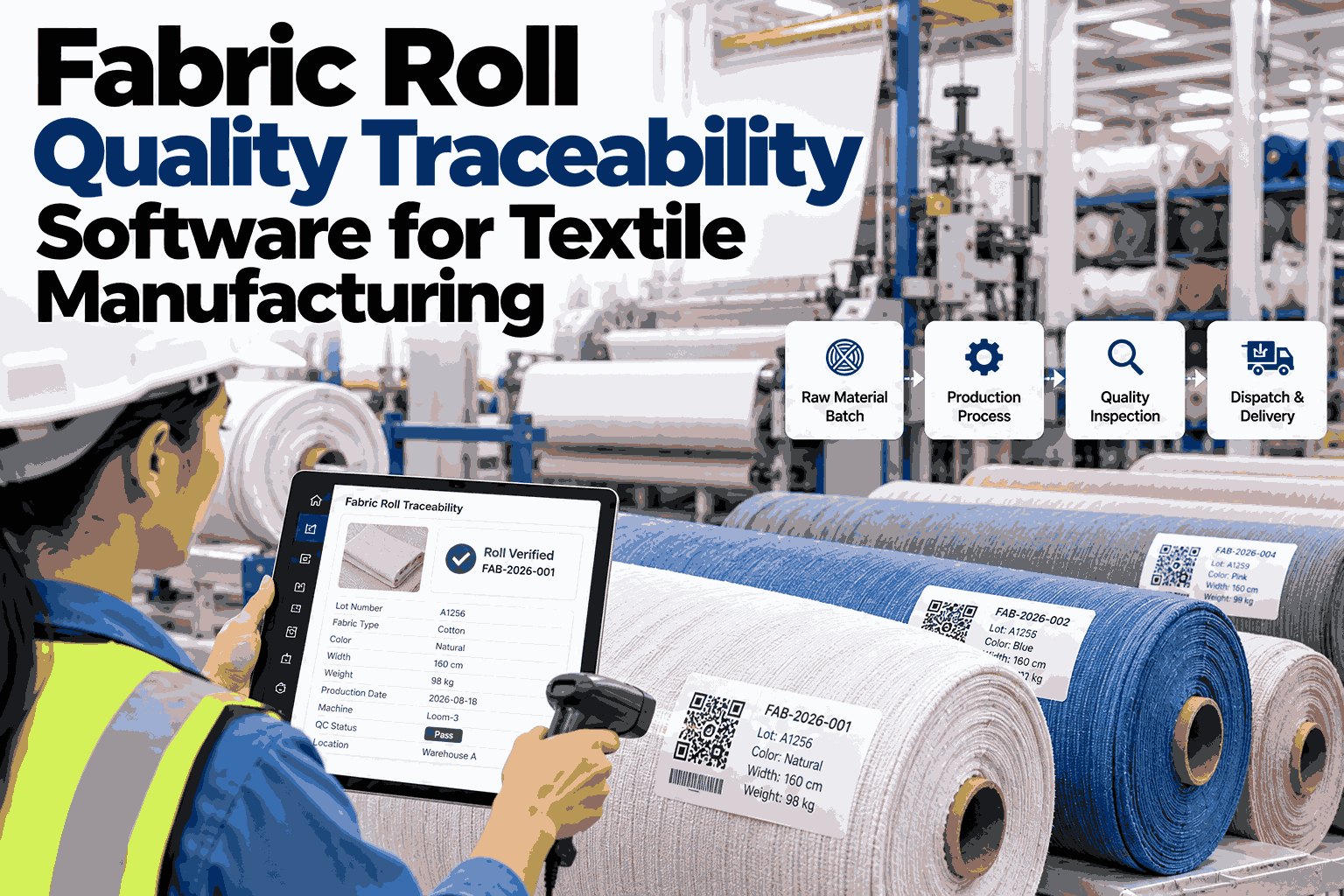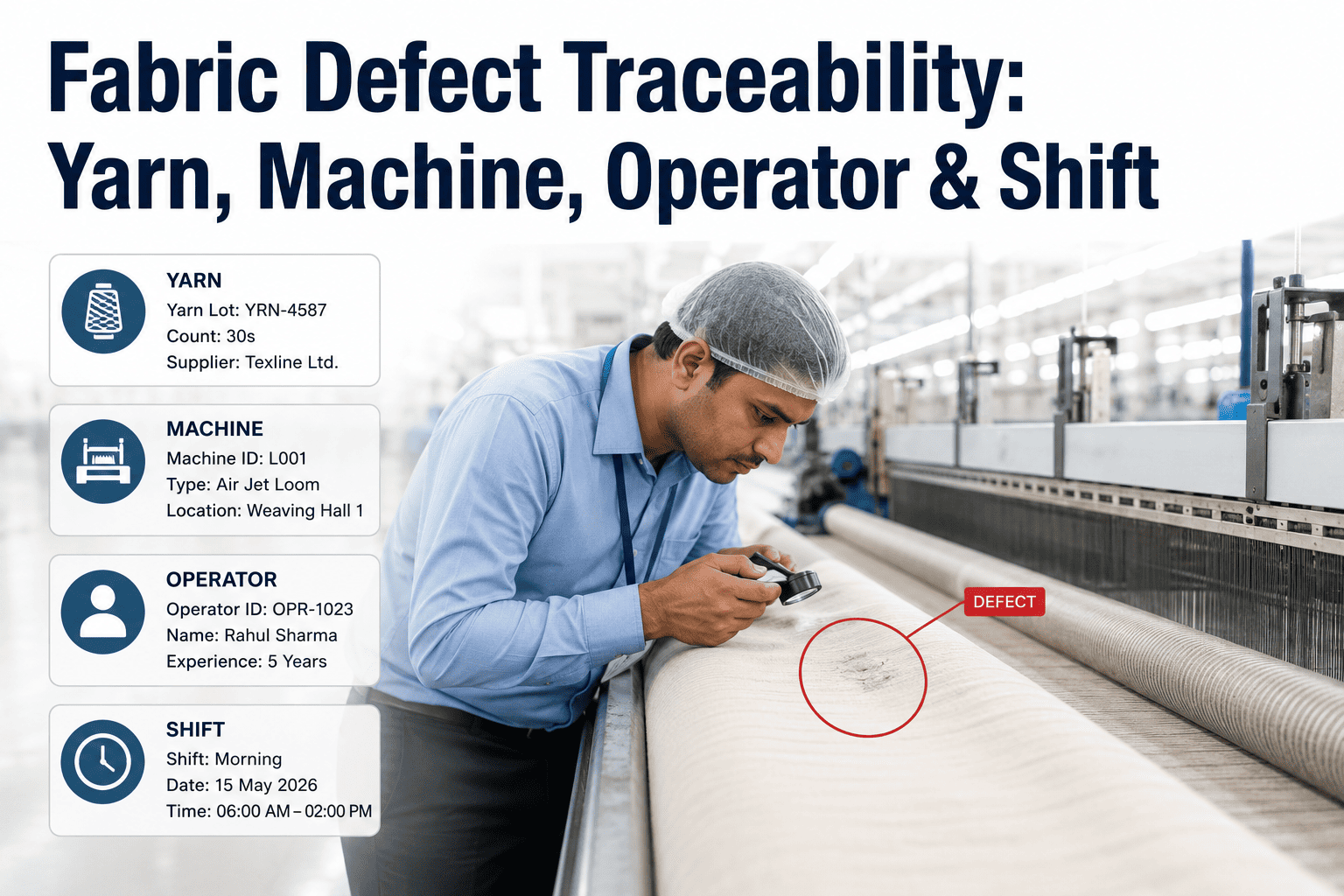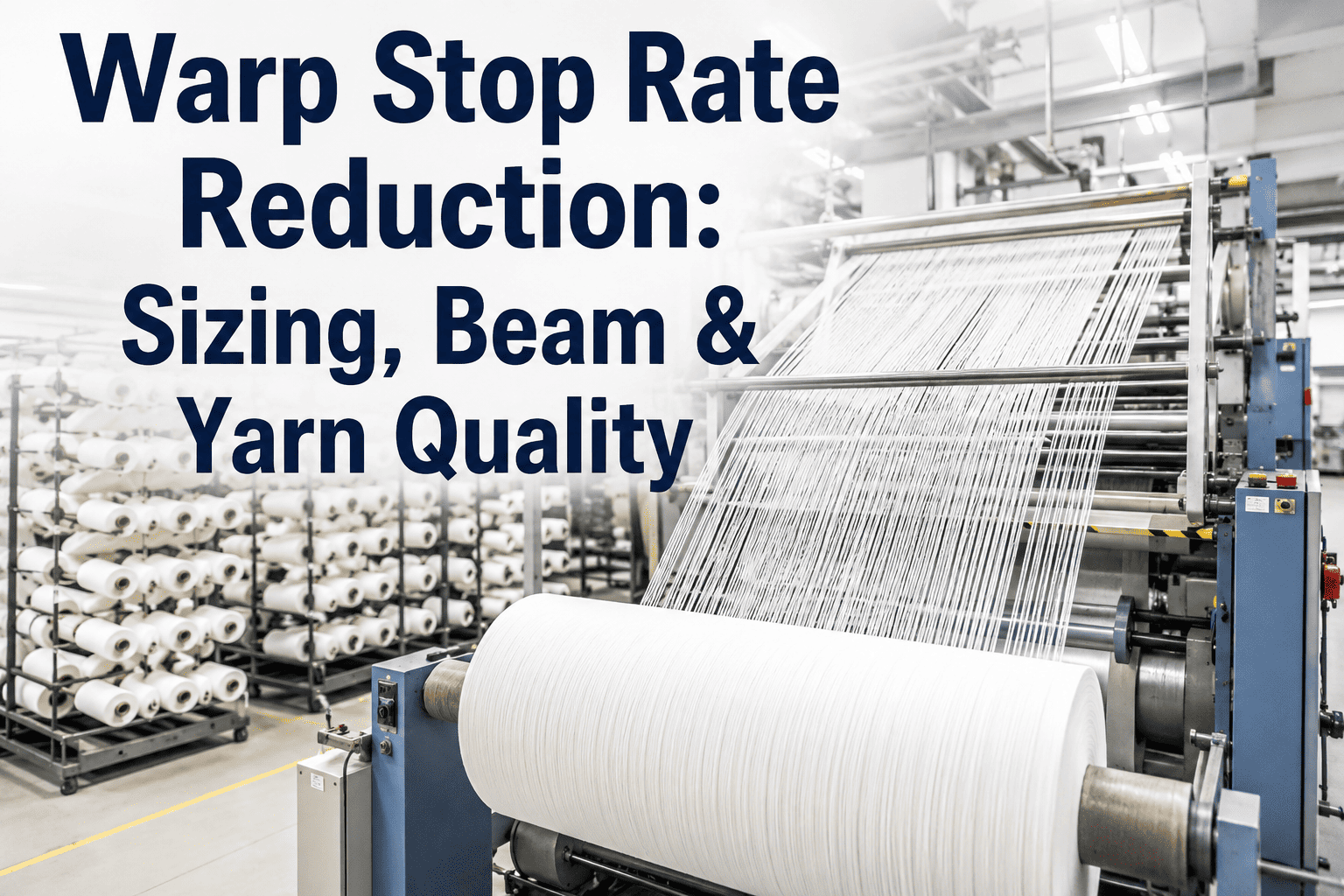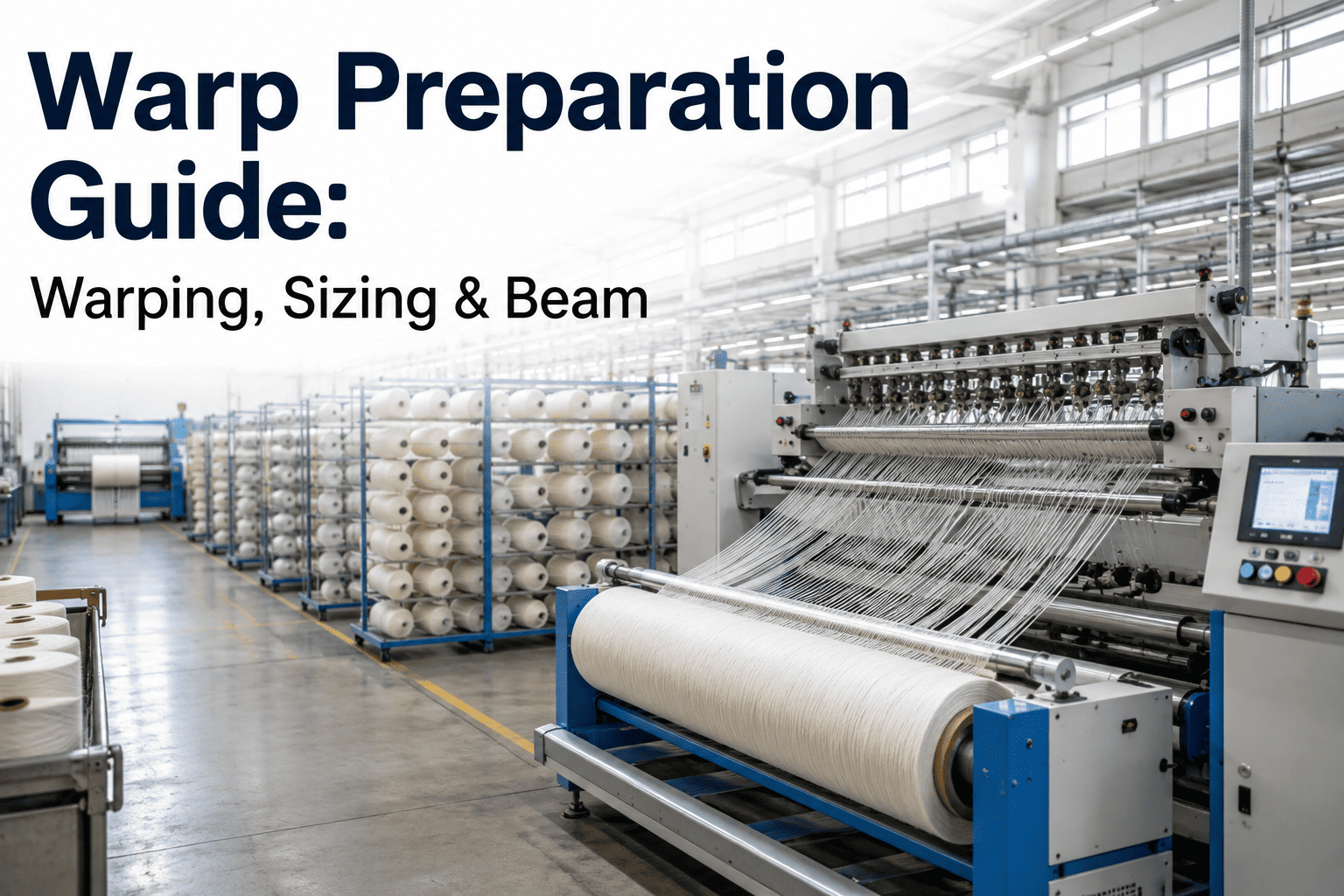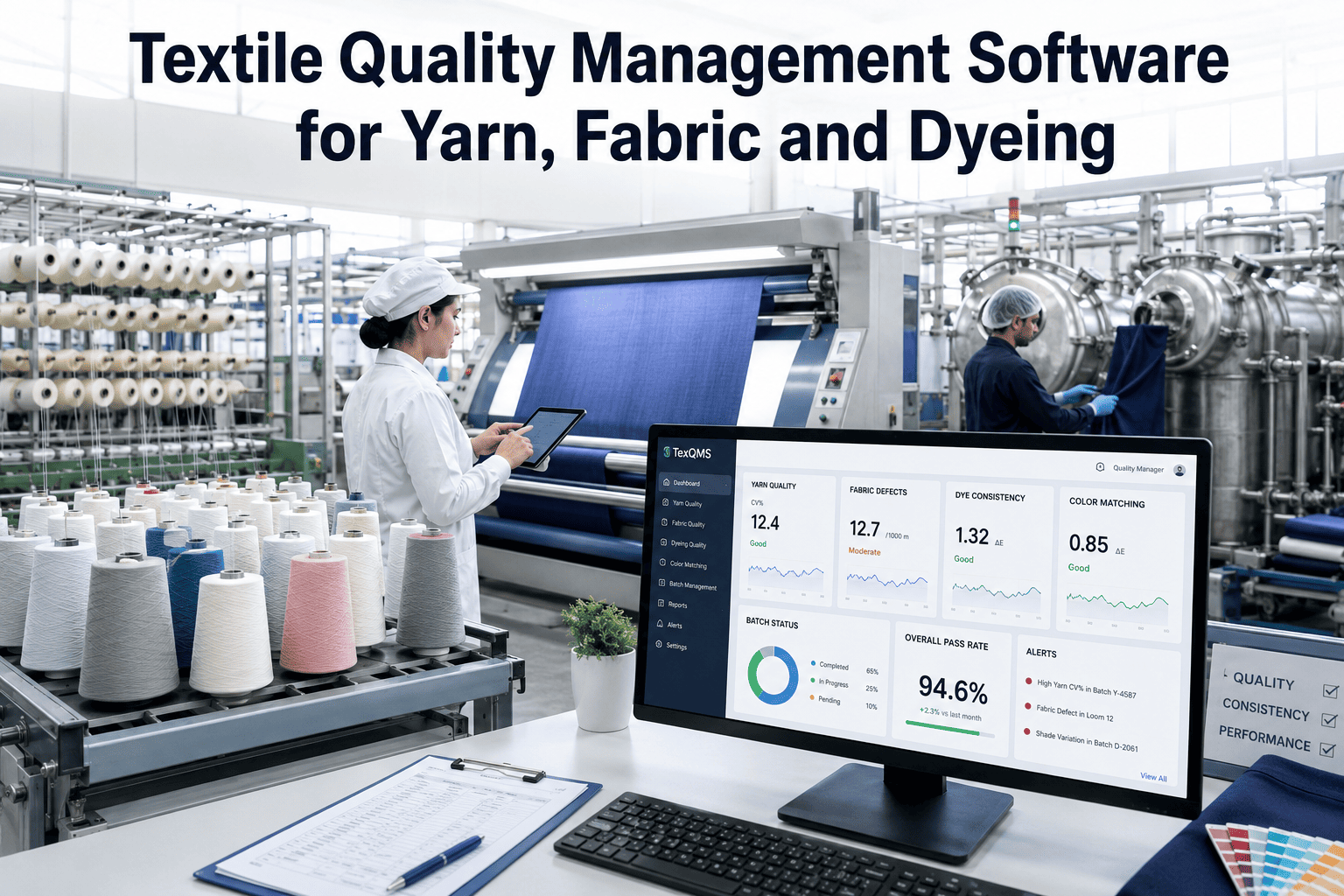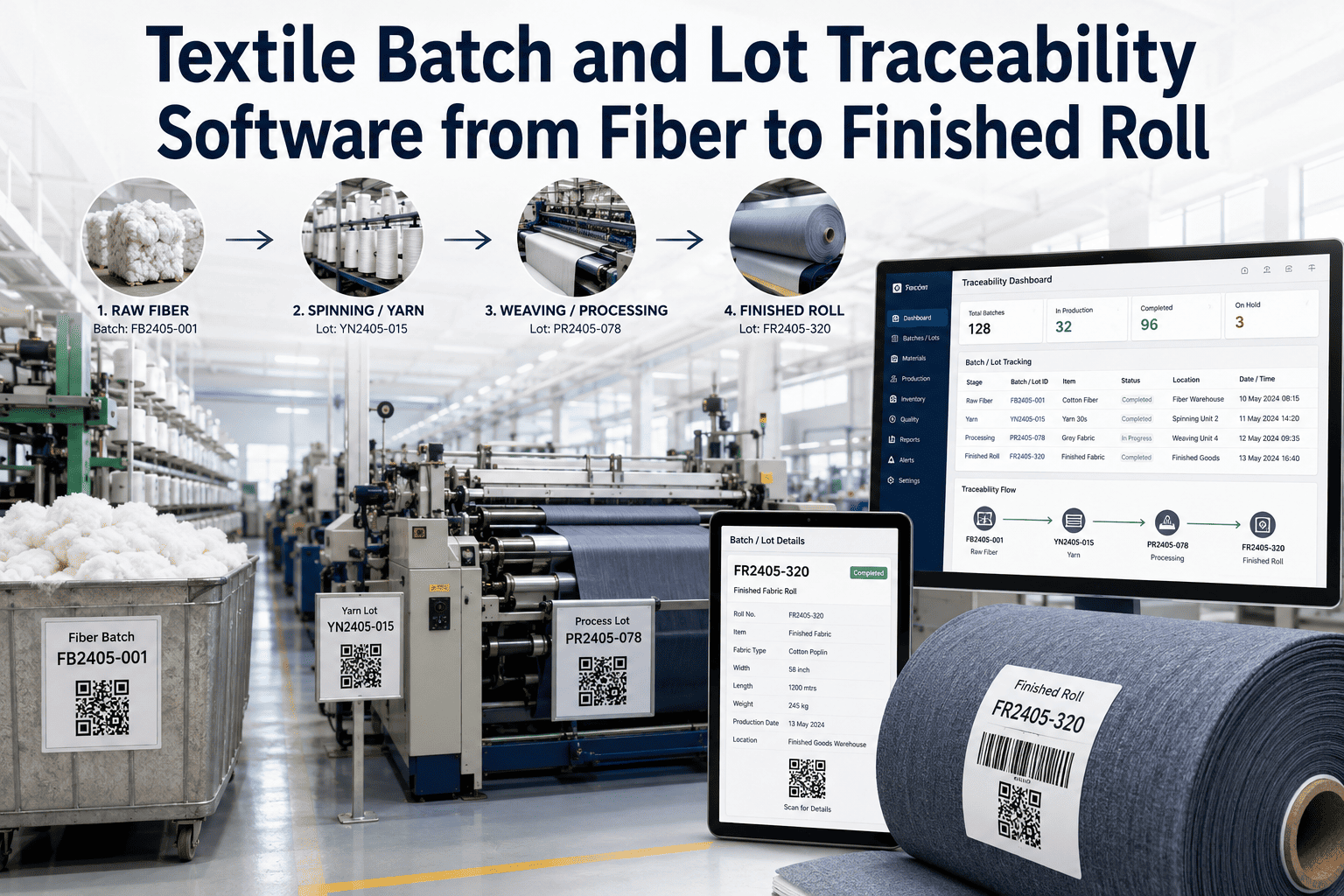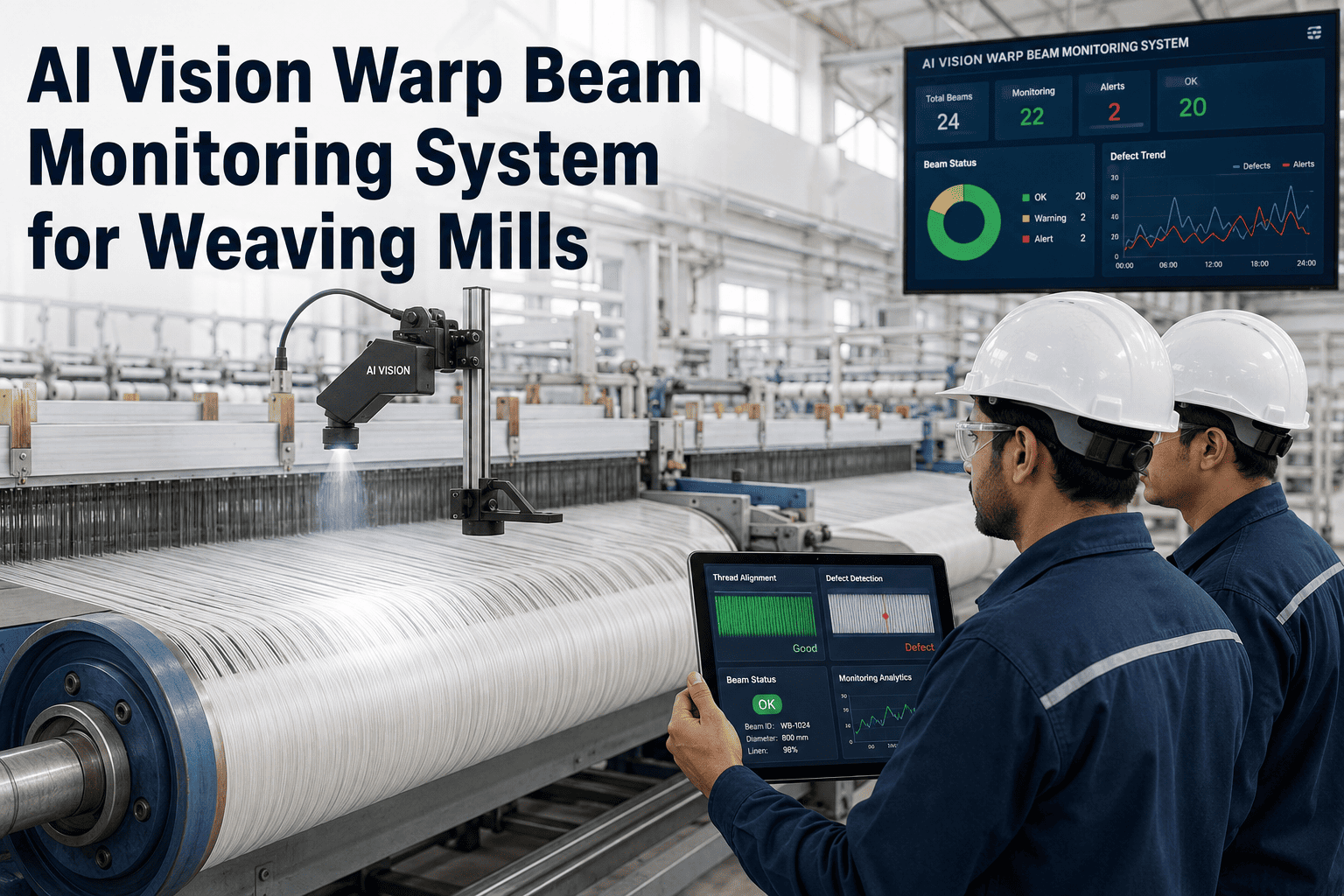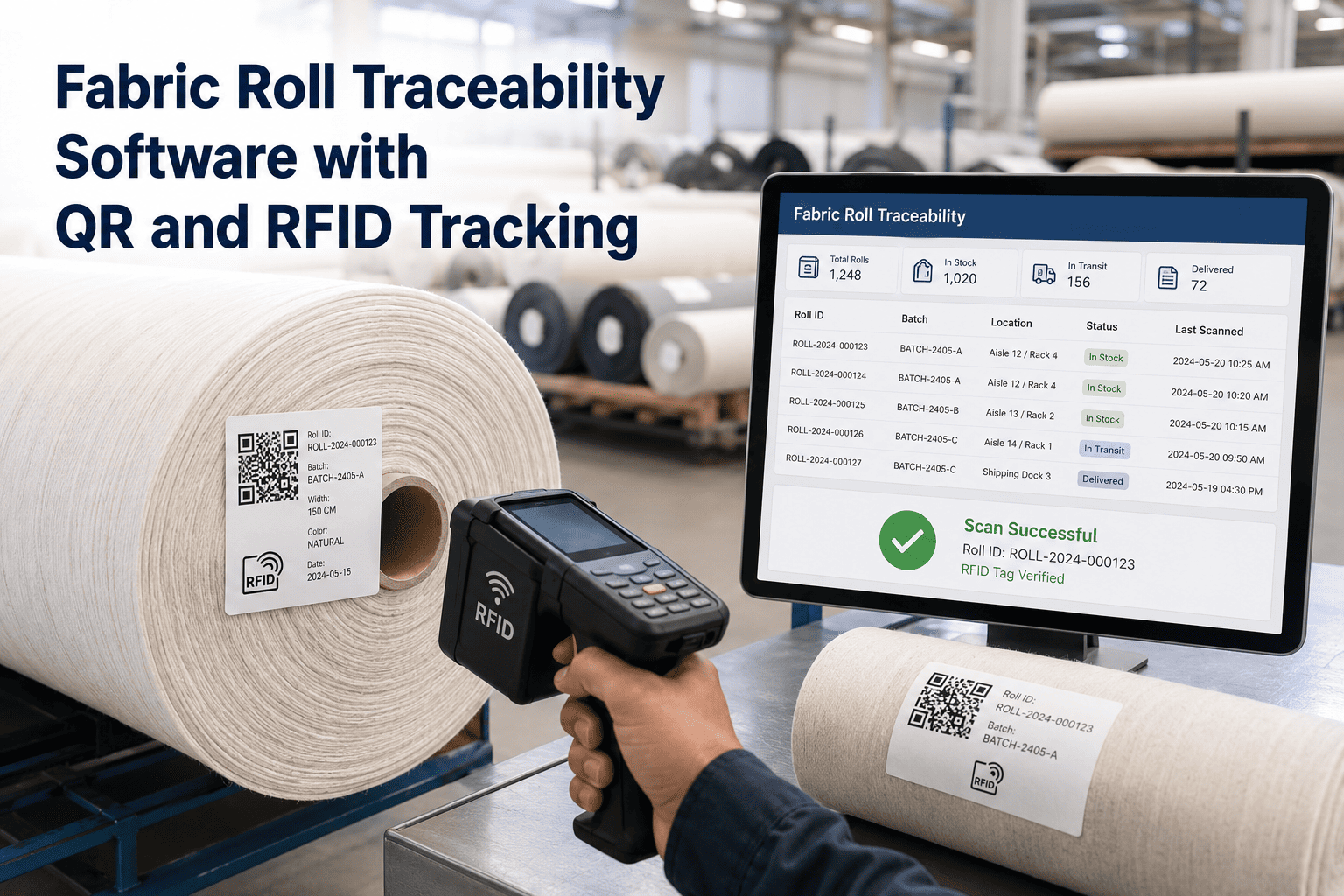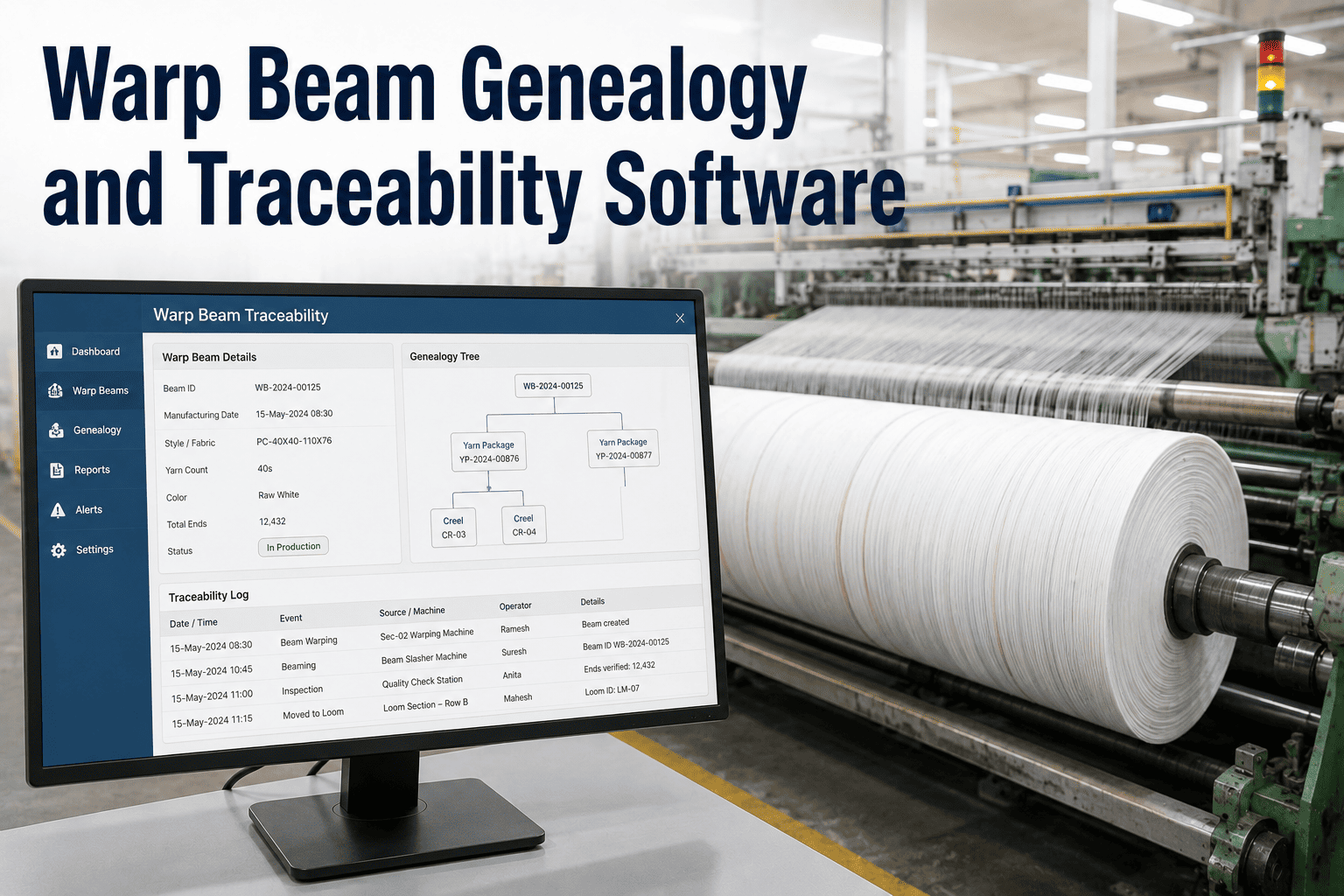
In the high-stakes environment of modern textile manufacturing, the ability to trace every warp beam from its constituent yarn lots through warping, sizing, weaving, and final fabric inspection is no longer a luxury—it is a competitive necessity. A single undetected defect in a beam can cascade into thousands of meters of flawed fabric, eroding margins and damaging long-term customer trust. This is where a robust warp beam genealogy and traceability system becomes the backbone of operational excellence. By capturing and linking every critical data point—yarn lot origin, warping machine parameters, sizing recipe composition, beam storage duration, loom allocation, and real-time fabric quality metrics—manufacturers gain unprecedented visibility into their production chain. This article provides a deep, technical exploration of how such a system works, its quantifiable benefits, and the strategic imperative for weaving mills to adopt it. For plant managers and CTOs seeking to eliminate waste and maximize throughput, understanding beam genealogy is the first step toward true Industry 4.0 maturity. Book a Demo to see how iFactory can transform your traceability.
Unlock Full Visibility Across Your Weaving Operations
Stop chasing defects. Start tracing every beam with precision. Our software integrates with your existing MES to deliver real-time genealogy.
Why Warp Beam Genealogy Matters in Smart Manufacturing
The textile industry is rapidly embracing Industry 4.0 principles, and traceability sits at its core. Without a digital thread connecting each beam to its history, mills operate in the dark. Manual record-keeping is error-prone and slow, making it nearly impossible to isolate root causes when quality issues arise. A digital genealogy system eliminates this blind spot by automatically capturing data from every station—from yarn warehouse to weaving shed. This enables rapid containment of non-conforming materials, reduces rework costs, and supports compliance with stringent customer specifications. Moreover, it provides the data foundation for predictive analytics, allowing mills to anticipate beam failure or quality drift before it impacts production. The result is a leaner, more responsive operation that can adapt to changing orders with confidence.
Yarn Lot Integrity
Track each yarn lot from supplier receipt through creeling. Record lot numbers, supplier certificates, and physical test results (strength, elongation, twist). Link directly to each beam produced.
Warping Parameter Logging
Capture warping speed, tension, and creel setup for every beam. Automatically flag deviations from standard operating parameters to prevent downstream defects.
Sizing Recipe Management
Store and version-control sizing recipes. Record actual chemical concentrations, temperature profiles, and pick-up rates for each beam. Enable full traceability of size application.
Beam Storage & Aging
Beam Storage & Aging
Monitor environmental conditions (humidity, temperature) in beam storage areas. Track elapsed time from sizing to weaving to identify optimal aging windows and prevent deterioration.
Loom Allocation History
Record which beam was mounted on which loom, at what time, and by which operator. Link to real-time loom efficiency and fabric quality data for complete traceability.
Fabric Quality Feedback
Integrate with inspection systems to map defects per beam. Automatically calculate defect density and assign root cause to specific beam, yarn lot, or process step.
Technical Architecture of a Beam Genealogy System
A production-grade beam genealogy system is not a standalone application; it is a tightly integrated layer within a broader Manufacturing Execution System (MES). At iFactory, we designed the traceability module to interface with existing PLCs, barcode scanners, RFID readers, and quality databases. The core data model revolves around the beam as a unique digital object, assigned a globally unique identifier (GUID) at the moment of warping. Each subsequent operation—sizing, storage, weaving, inspection—appends a timestamped event to the beam's digital twin. This event-driven architecture ensures that the genealogy record is always current and can be queried in real time. The system uses a time-series database for high-frequency sensor data (e.g., tension, temperature) and a relational database for transactional data (e.g., lot numbers, operator IDs). A RESTful API exposes the genealogy to downstream analytics tools, enabling dashboards and predictive models. Security is paramount: role-based access control ensures that only authorized personnel can modify critical records, while an immutable audit log preserves every change for compliance.
The Beam Lifecycle: A Step-by-Step Traceability Journey
Yarn Lot Receipt & Testing
Each incoming yarn lot is registered with its certificate of analysis. Physical tests (strength, elongation, twist) are recorded. Lots are assigned a unique barcode for tracking.
Creeling & Warping
Operators scan each yarn package as it is creeled. The warping machine automatically records speed, tension, and length. A beam ID is generated and linked to the creel setup.
Sizing Application
The beam enters the sizing machine. The system logs the recipe used, actual chemical concentrations, temperature profile, and pick-up rate. Any deviation triggers an alert.
Beam Storage & Conditioning
After sizing, beams are stored in a controlled environment. Sensors monitor humidity and temperature. The system tracks storage duration and flags beams that exceed optimal aging windows.
Loom Allocation & Weaving
When a beam is mounted on a loom, the operator scans the beam ID and loom ID. The system records start time, warp tension, and weaving speed. Real-time fabric inspection data is linked.
Final Fabric Inspection & Feedback
After weaving, fabric rolls are inspected. Defects are mapped to the originating beam. The system calculates defect density and provides a root cause analysis report.
Comparative Analysis: Traditional vs. Digital Genealogy
| Parameter | Traditional Manual System | Digital Genealogy System |
|---|---|---|
| Data Capture Speed | Minutes per beam (paper forms, manual entry) | Seconds per beam (automated scanning and sensors) |
| Error Rate | 5-10% transcription errors | <0.1% automated data capture |
| Root Cause Analysis Time | Days to weeks (manual lookup) | Minutes (database query with filters) |
| Audit Trail Completeness | Partial, often missing intermediate steps | Complete, with timestamps and operator IDs |
| Integration with Quality Systems | None (standalone records) | Full integration with real-time feedback |
| Scalability | Limited by manual labor | Unlimited (cloud-based or on-premise) |
Quantifiable ROI: What Mills Achieve with Beam Traceability
Implementing a digital beam genealogy system delivers measurable financial returns. Mills typically see a 20-30% reduction in seconds and rework within the first six months. This is driven by the ability to quickly identify and isolate defective beams before they are woven into fabric. Additionally, the system reduces inventory holding costs by optimizing beam storage times and preventing over-aging. The compliance benefits are equally significant: customers in automotive, apparel, and home textiles increasingly demand full traceability as a condition of doing business. Mills with digital genealogy can respond to audit requests in hours instead of weeks, improving customer retention and win rates. The total cost of ownership is low, given the system's integration with existing MES and the elimination of paper-based processes. For a mid-sized mill with 100 looms, the annual savings from reduced rework and faster root cause analysis typically exceed $150,000.
Integration with Predictive Maintenance
Beam genealogy data feeds directly into predictive maintenance models. By correlating beam defects with specific warping or sizing machine parameters, the system can predict when a machine component is likely to fail. This enables proactive maintenance, reducing unplanned downtime by up to 35%.
Real-Time Quality Dashboards
Plant managers and quality teams get live dashboards showing defect trends per beam, per yarn lot, and per machine. Drill-down capabilities allow instant identification of the root cause, whether it's a bad yarn lot, a warping tension spike, or a sizing recipe deviation.
Supplier Performance Analytics
By tracking which yarn lots produce the most defects, mills can objectively evaluate supplier quality. This data supports strategic sourcing decisions and can be shared with suppliers to drive continuous improvement across the supply chain.
Transform Your Weaving Operations Today
Implement a beam genealogy system that integrates with your existing MES. Gain complete visibility from yarn to fabric.
Implementation Roadmap for Beam Genealogy
Deploying a beam genealogy system follows a structured approach to ensure minimal disruption and maximum adoption. Phase 1 involves a process audit to map current data flows and identify gaps. Phase 2 is system configuration: defining data fields, setting up barcode/RFID infrastructure, and integrating with existing MES and quality systems. Phase 3 is pilot deployment on one or two production lines, allowing for tuning and user training. Phase 4 is full rollout, with continuous monitoring and optimization. The entire process typically takes 8-12 weeks for a medium-sized mill. Key success factors include executive sponsorship, cross-functional team involvement (production, quality, IT), and clear KPIs to measure impact. iFactory provides dedicated implementation support, including on-site training and remote assistance, to ensure a smooth transition.
Phase 1: Process Audit
Map current traceability workflows, identify data silos, and document manual processes. Define scope and success criteria.
Phase 2: System Configuration
Set up data fields, barcode/RFID infrastructure, and integration points. Customize dashboards and reporting templates.
Phase 3: Pilot Deployment
Roll out on 1-2 production lines. Train operators and supervisors. Collect feedback and fine-tune system parameters.
Phase 4: Full Rollout
Deploy across all lines. Monitor KPIs, provide ongoing support, and iterate based on production data insights.
Ensuring Data Integrity and Security
A traceability system is only as good as the data it contains. iFactory employs multiple layers of validation to ensure data integrity. At the edge, barcode scanners and RFID readers include checksum validation to prevent misreads. At the database level, referential integrity constraints ensure that every beam record has valid links to its parent yarn lots and child fabric rolls. An immutable audit log records every change, including who made the change and when. Role-based access control restricts write permissions to authorized personnel only. Data is encrypted both at rest (AES-256) and in transit (TLS 1.3). Regular backups and disaster recovery procedures ensure business continuity. For mills that require on-premise deployment, the system can be hosted on dedicated servers with full control over security policies.
Frequently Asked Questions
How does beam genealogy software integrate with my existing MES?
Our software is designed as a modular layer that sits on top of your current MES. It uses standard REST APIs and database connectors to pull and push data. We support integration with leading MES platforms such as Siemens Opcenter, Rockwell Automation, and custom-built systems. The integration typically takes 2-4 weeks and does not require any changes to your existing workflows. For more details, visit our support page or book a demo to discuss your specific environment.
What hardware is needed to implement beam traceability?
The required hardware includes barcode scanners or RFID readers at key stations (yarn receipt, creeling, sizing, weaving, inspection). For environmental monitoring, you may need temperature and humidity sensors in beam storage areas. All hardware is commercially available and can be sourced through our recommended partners. The software runs on standard industrial PCs or servers. A typical setup for a mill with 50 looms costs between $15,000 and $30,000 for hardware, excluding installation. Contact us at support for a detailed quote.
Can the system handle multiple beam types and sizes?
Yes, the data model is fully configurable to accommodate any beam type—sectional, direct, or sample warps. You can define custom attributes such as beam diameter, flange width, and total warp length. The system also supports variable yarn counts and blend compositions. This flexibility ensures that mills producing a wide variety of fabrics can all benefit from a single traceability platform. For advanced customization, schedule a demo to see how we tailor the system to your needs.
How long does it take to train operators on the new system?
Operator training is straightforward because the system is designed to minimize manual data entry. Most tasks involve scanning barcodes or RFID tags, which operators already do in many mills. We provide a 2-day on-site training program for supervisors and key operators, followed by remote support for the first month. The intuitive interface and role-based dashboards mean that new users become proficient within a week. For more information on training, visit our training resources.
What is the ROI timeline for implementing beam genealogy?
Most mills see a positive ROI within 6 to 9 months of full deployment. The primary drivers are reduced rework (20-30% reduction), faster root cause analysis (days to minutes), and lower inventory holding costs. Additionally, the system enables mills to qualify for higher-margin contracts that require full traceability. We provide a detailed ROI calculator during the sales process. Book a demo to get a personalized ROI estimate for your mill.
Ready to Eliminate Traceability Blind Spots?
Join leading mills worldwide that trust iFactory for end-to-end beam genealogy. Get complete visibility and control.