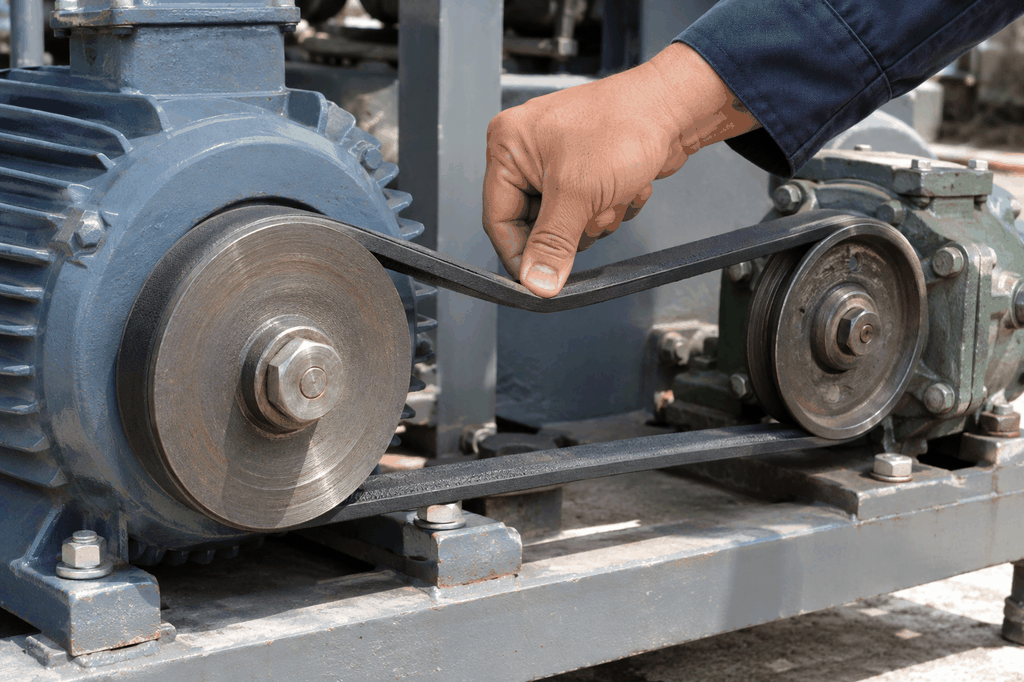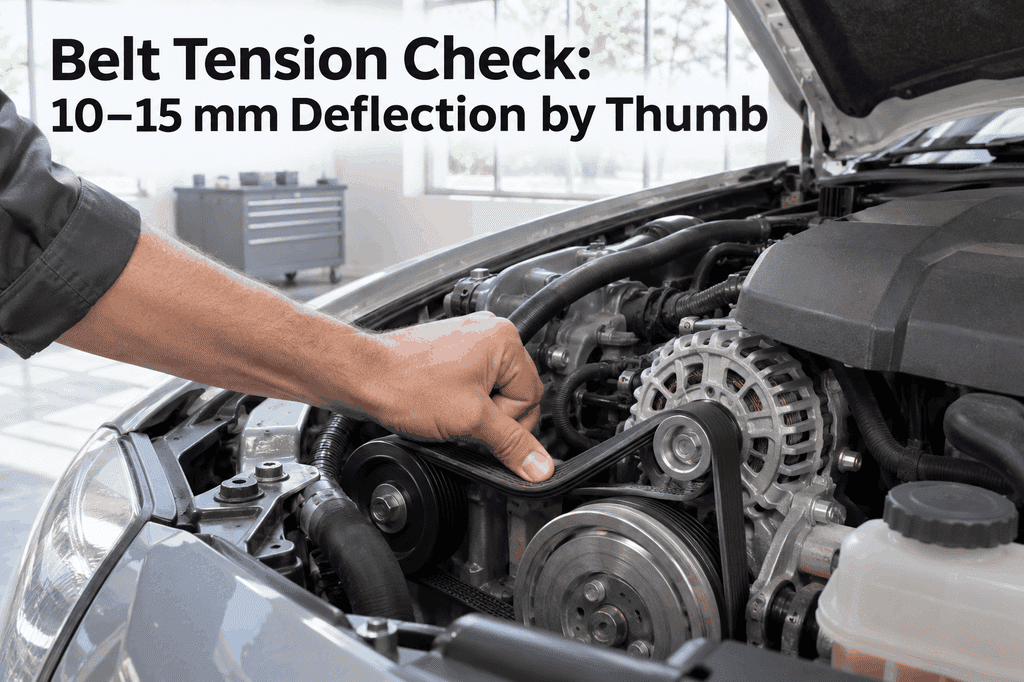
Press a belt with your thumb and you learn a lot in two seconds. Too slack and it slips, too tight and it loads the bearings. The belt tension check appears in two ready checklists in iFactory Inspection, both as lockout steps: the air compressor drive and the cooling tower fan drive. This page covers the 10–15 mm thumb test, what a failure does and why the page is honest about what a thumb test is. Add the checks in your workspace once your company is set up.
Inspection · Belt tension
Belt Tension Check: 10–15 mm Deflection by Thumb
Two lockout items, one quick field test.
The two ready checks
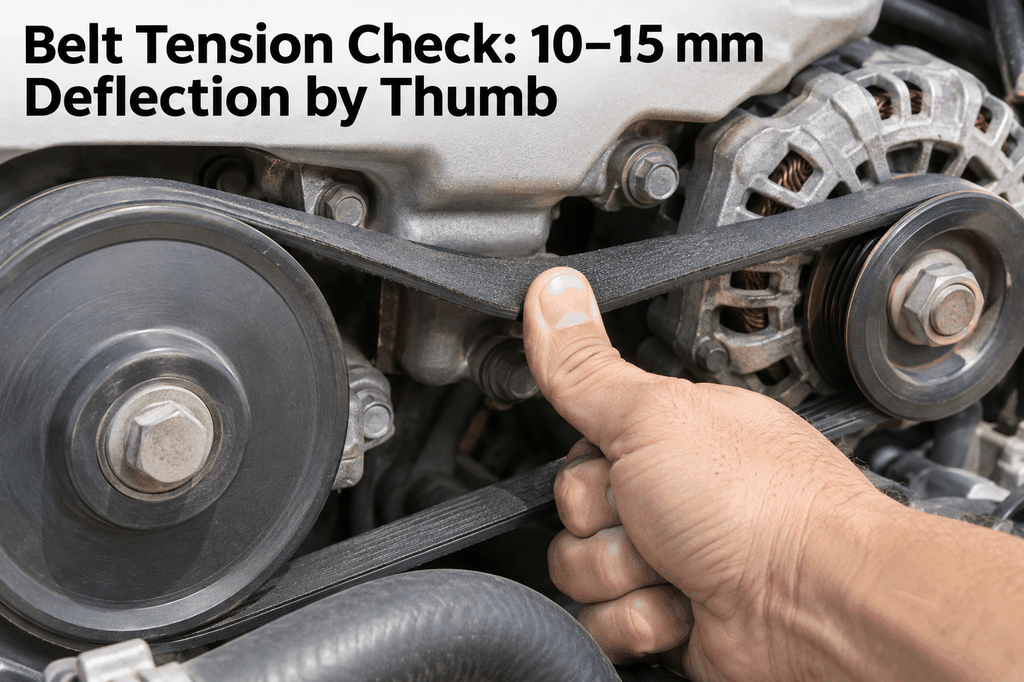
Both ready checks use the same test and the same limit: a thumb press at the middle of the span that should deflect the belt about 10 to 15 mm, on a belt with no cracks or glazing.
Two seconds with a thumb
With the machine locked out and the guard off, press the belt at mid-span and look at its face and edges. A belt that is too loose, too tight, cracked or shiny fails the item.
On the motor check too
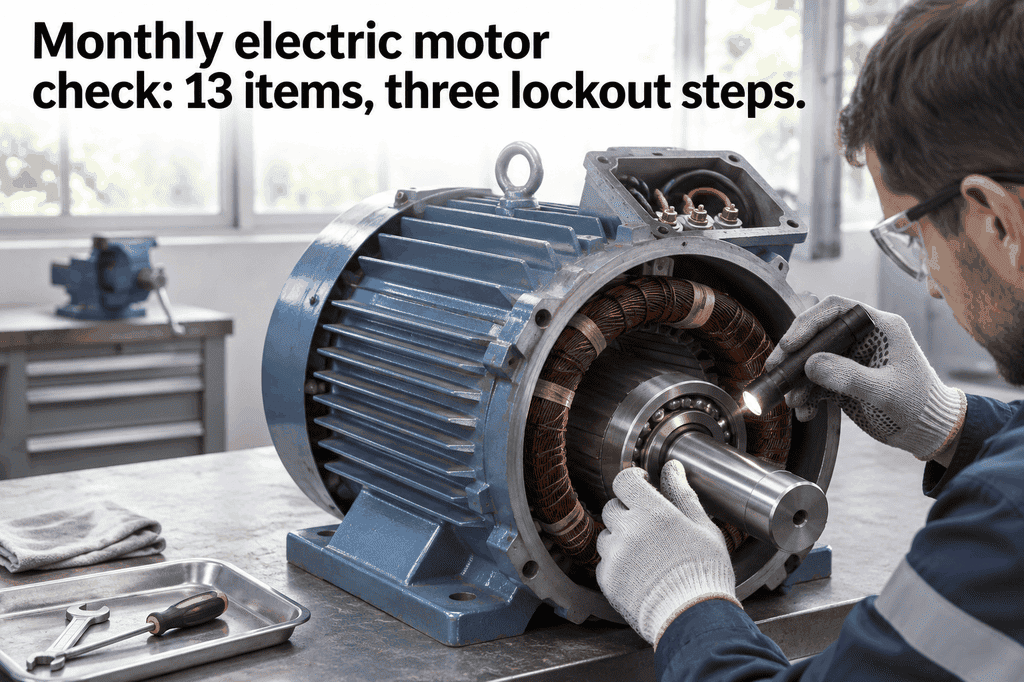
The motor check looks at the same kind of drive from the pulley side. It is a separate item on the monthly round, with the motor locked out and the guard off.
Pulley belt
Look at the belt on the pulley
Look at the belt face on the pulley: it should not be glazed. A shiny, hard surface shows the belt has been slipping and has already begun to lose grip.
Coupling or pulley
Machine locked out, guard off
On a pulley drive the motor item also checks that the key is in place and the set screws are tight, because a loose pulley mimics a belt problem.
A thumb test is not a measurement
The thumb test gives a quick and useful answer, but it has limits. It is worth being clear about what it can tell you and what it cannot.
A quick field check
A feel for deflection at mid-span
10–15 mm
A measured tension
A force and a deflection
Put those in the how-to-check text before the first round
The ready checks in the app
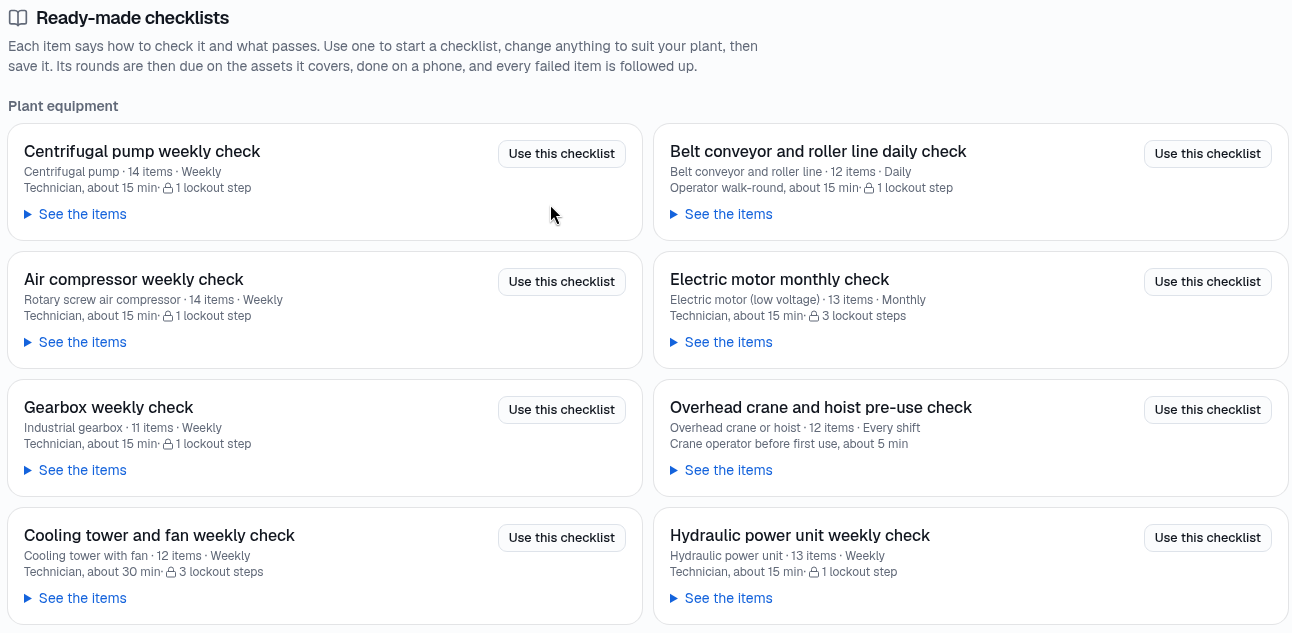
The ready Cooling tower and fan check includes the fan drive belt item, and the library also holds the motor check with its pulley item. Pick the one that matches your drive.
Cautions
These points are worth settling before the first round, because the app only asks the question and keeps the record. It cannot make the drive safe to work on.
Lock out and vent
Lock out the machine as normal. On a compressor, also isolate and vent stored air, because a drive can still be pressurised after the motor has stopped.
OEM manual
The 10 to 15 mm deflection is a general figure. Compare it with the belt maker's tension guidance and edit the item if your belts call for something different.
A record
A failed belt item raises a Medium priority work order due in 72 hours. The note says what the technician found, and the history shows if the same belt keeps failing.
How the check is done
Belt checks appear on the cooling tower fan drive item (belts or drive shaft) and on the motor coupling or pulley item, and both are flagged for lockout because you must reach the drive. With the machine locked out and the guard off, press the belt with your thumb at the middle of the span. It should deflect about 10 to 15 mm, and the belt should show no cracks or glazing.
Press at the middle of the longest span, because that is where the deflection is greatest. Compare the belt with a new one if you have one to hand.
What the signs mean
A belt that deflects more than 15 mm is loose. It slips, heats up and glazes, which makes the slip worse. One that barely moves is too tight and loads the bearings on both shafts. Cracks across the underside show the rubber has aged, and a shiny glazed face shows slip has already happened.
Any of these fails the item. Write which one in the note, and the work order will tell the person who adjusts or replaces the belt what to bring.
Lockout and putting it back
Because the check takes the guard off, treat it as work on the machine: lock it out, remove the guard, check, refit the guard and only then release it. The lockout flag in the app is a reminder in the checklist, not a substitute for your site's procedure.
The item is Medium priority, so a failure raises a work order due in 72 hours.
Where it sits on the round
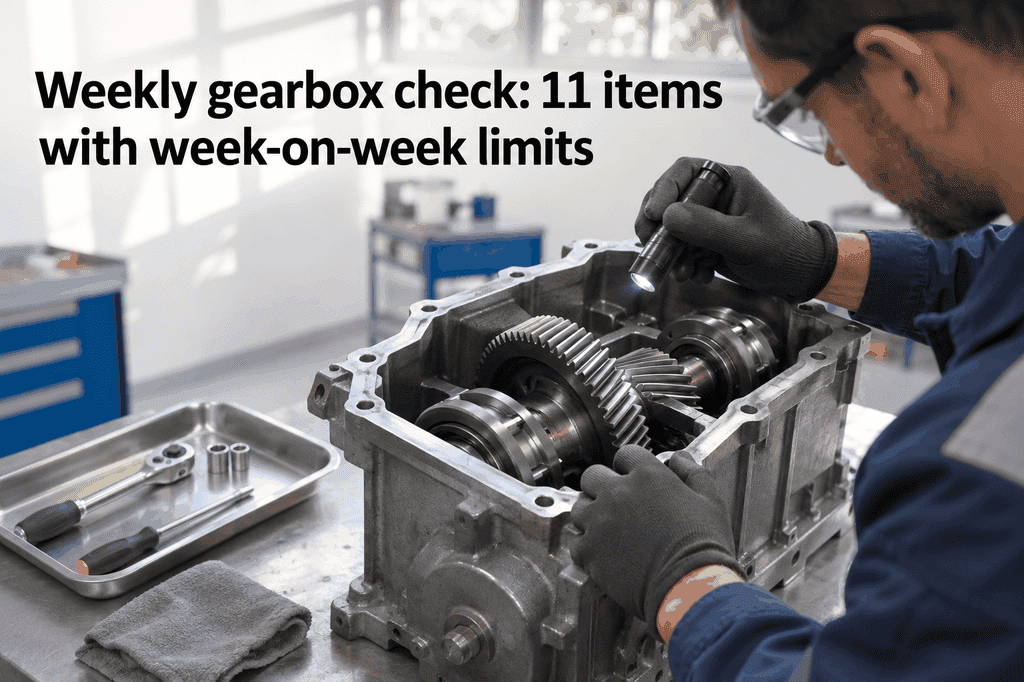
On the cooling tower round the drive item sits beside the fan blades and gearbox items, and on the motor round it sits with the coupling. Doing them together saves a second lockout.
The history will show if the same belt fails repeatedly, which can point to a misaligned pulley or a worn bearing rather than a bad belt.
If a belt keeps failing
A belt that fails every month is telling you something. Common causes are misaligned pulleys, which wear one edge of the belt, a worn pulley groove that lets the belt ride low, or a belt that is the wrong size. Loose belts are tightened, but repeated tightening without finding the cause does not help.
Photos of the belt edge and the pulley help the person who comes to fix it. A glazed face and a worn edge look quite different and point to different fixes.
Because the History keeps each result and note, you can see the pattern: the same drive failing the same item every few weeks is a reason to look beyond a belt change.
Frequently asked questions
Which ready checklists include a belt tension check?
Two do. The Cooling tower and fan weekly check has a fan drive item for belts or the drive shaft, and the Electric motor monthly check has a coupling or pulley item that looks at belt condition. Both are flagged as lockout steps and are Medium priority in iFactory Inspection.
How much should the belt deflect to pass?
About 10 to 15 mm when pressed with a thumb at the middle of the span, with no cracks and no glazing. A belt that deflects more is loose and can slip and heat up, while one that barely moves is too tight and loads the bearings on both shafts.
Does the machine have to be locked out for the belt check?
Yes. The guard has to come off to reach the belt, so the item is flagged for lockout. Isolate the machine, apply your lockout, remove the guard, check, refit the guard and only then release the lockout. On a compressor, vent stored air too. The flag is a reminder and does not replace your procedure.
Is a thumb test a measured tension?
No. It is a quick field check that gives a feel for deflection at mid-span. If the belt maker gives a measured tension, as a force and a deflection, put those figures in the how-to-check text before the first round so every technician uses the same test.
What does a failed belt item raise, and how fast is it due?
The item is Medium priority, so a failure raises a work order due in 72 hours. The technician writes what they found, such as slack, cracks or glazing, and can add a photo. If the same drive fails repeatedly, the history can point to a misaligned pulley or a worn groove, not just a bad belt.
What do cracks and glazing tell you?
Cracks across the underside show that the rubber has aged and may fail. A shiny, glazed face shows the belt has been slipping, which makes the slipping worse. Either one fails the item even if the deflection is right, so write which one you saw in the note.
Add the belt checks
Pick the compressor and cooling tower checks and edit the how-to text.
- Lockout steps flagged
- Work order due in 72 hours
- Edit with the maker's figure
14-day free trial · no card needed