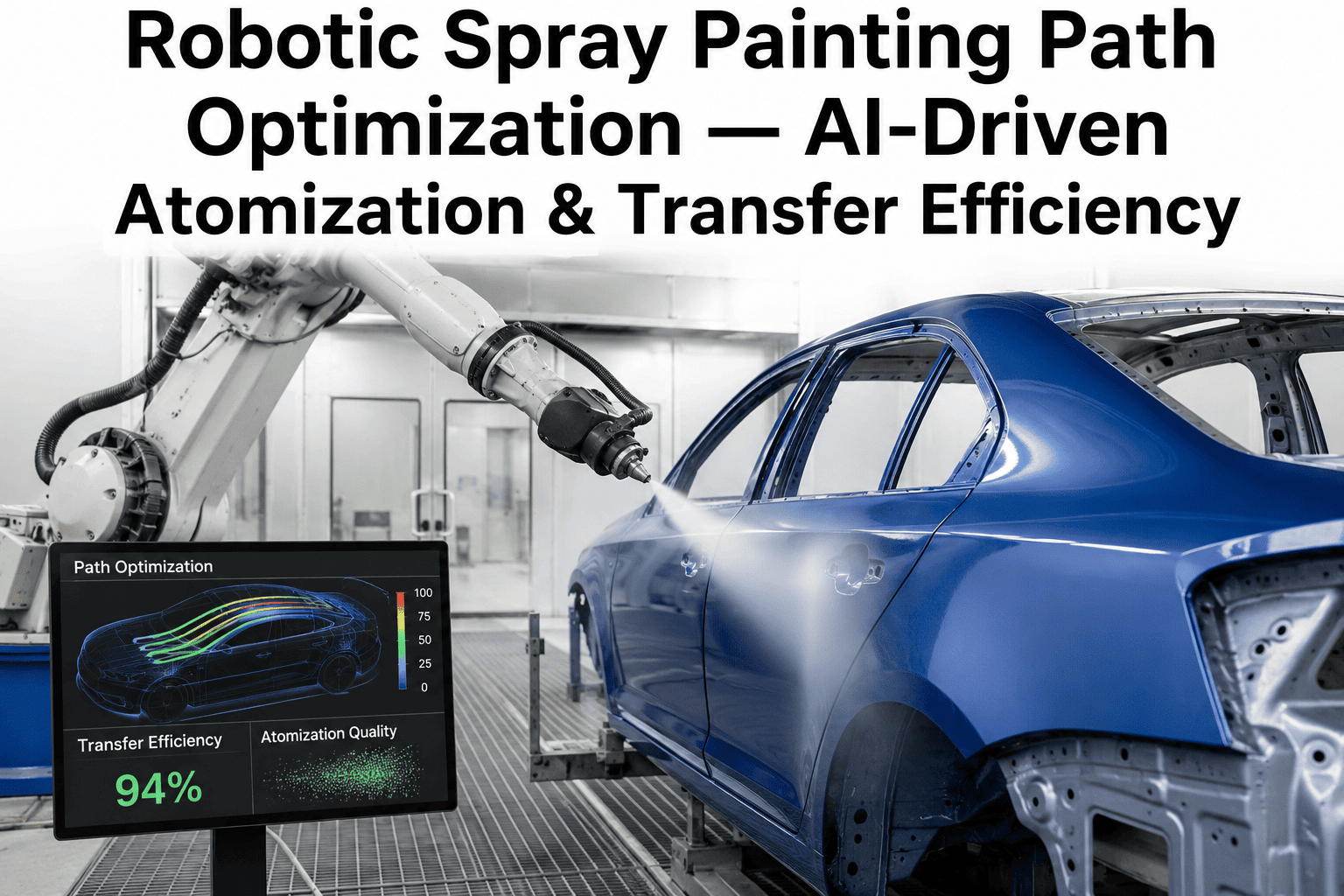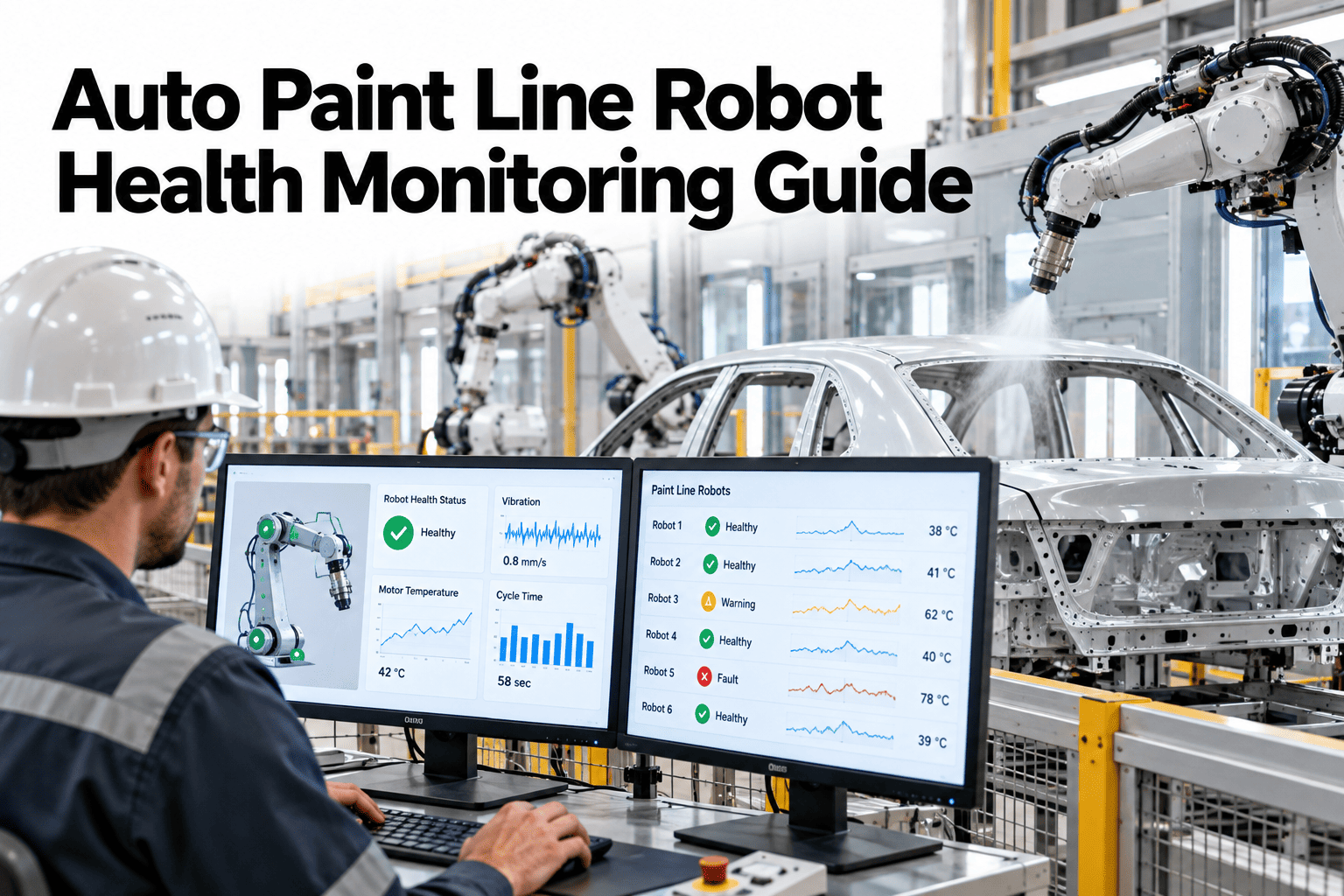
A paint robot rarely fails all at once. Spray arm wear, atomizer degradation and paint flow drift all happen gradually over the course of long production shifts, and by the time a defect shows up on a painted body, the underlying mechanical issue has usually been building for hours or days. Most plants catch this at the paint booth, after the surface defect is visible, rather than at the robot, where the actual cause started. Watching spray arm, atomizer and flow data continuously catches the drift before it becomes scrap. Plants can review their own robot health data in a short session.
Catch Robot Drift Before It Shows Up as a Paint Defect
iFactory monitors spray arm, atomizer and paint flow continuously, flagging drift before it reaches the booth.
What Degrades Over a Long Shift
Paint robots run continuously across long shifts, and several components wear gradually in ways that don't trigger a hard fault until the degradation is already significant.
| Component | Failure Mode | Early Signal |
|---|---|---|
| Spray arm | Joint wear affecting positioning accuracy | Small drift in actual vs commanded arm position |
| Atomizer | Nozzle wear or buildup affecting spray pattern | Gradual change in atomization pressure or bell speed |
| Paint flow system | Line restriction or pump wear affecting delivery rate | Flow rate variance increasing before it goes out of spec |
Find Out Where Your Robots Are Already Drifting
Book a 30-minute session and iFactory will review your current robot sensor data for early drift signals.
Why Shift Length Matters for Paint Robots
Thermal Drift
Components warm up over a long run, and thermal expansion can gradually shift positioning or flow characteristics.
Material Buildup
Paint residue accumulates on atomizers and nozzles over hours of continuous spraying, changing the spray pattern gradually.
Mechanical Wear
Joint and bearing wear accumulates with cycle count, showing up first as small positioning variance before a harder fault.
Signals a Robot Needs Attention Before It Faults
Where iFactory Fits
iFactory monitors spray arm, atomizer and flow data continuously across every robot, flagging drift before it becomes a surface defect.
Continuous Spray Arm Tracking
Actual versus commanded position is tracked continuously, catching joint wear before it affects paint coverage.
Atomizer Health Monitoring
Pressure and bell speed trends are watched for the gradual drift that precedes a spray pattern problem.
Flow Stability Analytics
Paint flow variance is tracked against historical baseline, flagging restriction or pump wear early.
Robot-Level Health Scoring
Each robot gets a composite health score, prioritizing maintenance attention where it's actually needed.
Reviewed by iFactory's Automotive Paint Systems team for alignment with current robot health monitoring practice. The health scores shown are illustrative; actual thresholds should be calibrated against your specific robot model, paint type and maintenance history.
Frequently Asked Questions
Does this require new sensors on our paint robots?
Often not, since most modern paint robots already generate position, pressure and flow data through their existing controllers. The main work is connecting and analyzing that data continuously rather than only reviewing it after a fault. Support can assess what your robots already provide.
How early can drift actually be caught?
It depends on the specific failure mode, but trend-based monitoring generally catches gradual drift days to weeks before it would trigger a hard fault alarm on the robot controller itself.
Can this reduce unplanned paint line downtime?
Yes, catching drift early allows maintenance to be scheduled proactively rather than reactively after a robot faults mid-shift, which is typically the larger source of unplanned downtime. See how this applies to your own downtime history in a short session.
Does this work across different robot brands?
Yes, the monitoring approach is built to work across common robot platforms used in automotive paint lines, though specific data points available can vary by manufacturer.
How does this connect to our existing paint defect inspection system?
Robot health data can be correlated against paint defect records, helping confirm which robot drift patterns actually translate into surface defects. Ask support how this connects to your defect inspection data.
Watch the Robot, Not Just the Painted Surface
iFactory tracks spray arm, atomizer and flow health continuously across your paint robots. Book a walkthrough on your own line.